





STEPHEN RICCIO
FORT COULONGE
Sept. 16, 2020
A team of archeologists will descend upon Fort Coulonge on Sept. 27 to begin a week-long dig with the hopes of uncovering artifacts from historic trading posts that were built in the area.
The dig is being funded by Greg Piasetzki, a Toronto-based lawyer who has roots to the region that go back more than 200 years.
The site is located on . . .
rue Thomas Lefebvre just past Davidson on a local woman’s property, who has given Piasetzki and the team permission to perform the dig.
Piasetzki has spent years combing through the historical literature about the area, and he said that a trading post was first built in 1685.
When the British took control from the French in the 1760s, the trading routes were disrupted and briefly forgotten. Between 1780 and 1790, the trading outlet was rebuilt and new buildings were added. By 1854, the post lost its utility due to the downswing in fur trading.
“My mother was French-Canadian and my mother’s ancestors all lived in the Ottawa Valley for quite a long time,” Piasetzki told THE EQUITY over the phone. “My ancestor ran the post at Fort Coulonge from 1795 to 1823, he was a clerk in charge, which is the senior guy at the post.”
Piasetzki’s ancestor, Joseph Godin, was listed as the first witness present in the 1819 marriage record of Benoni Soucie at the old fort.

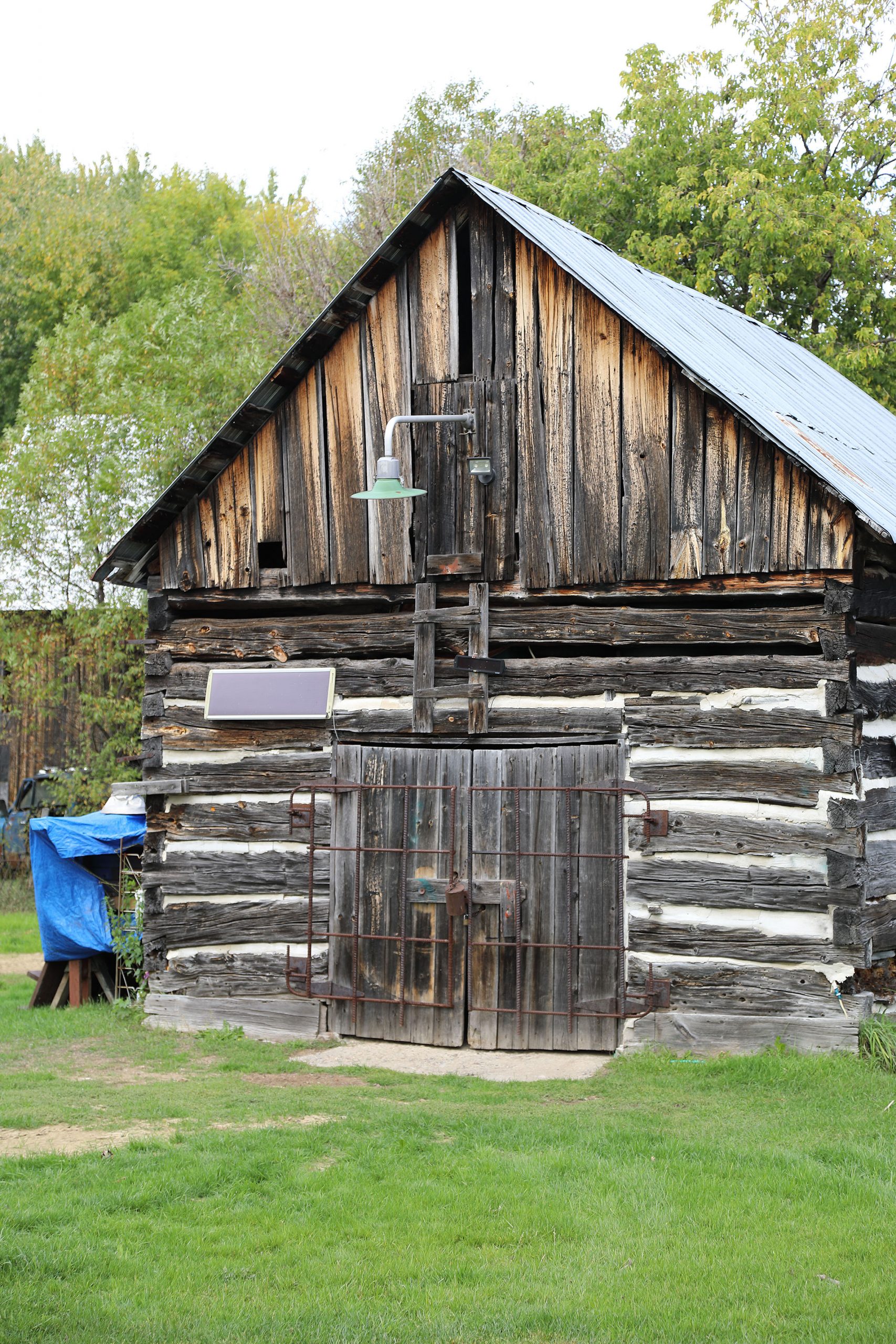
Piasetzki said that the property still has a building and a white cross on it, with the building potentially being from the old site that was ultimately abandoned by 1892.
Being able to dig in search of building foundations will be key in determining whether the building was indeed a remnant of the old post, as well as what else was part of the site.
He said that certain artifacts will be known right away, while others take some time to analyze.
“They have screens and they just dump the soil on the screen, sift it, and look for anything: pottery, nails, anything you could think of. Some stuff you identify right away, and for the archeologists that’s useful because it can tell them what area we’re talking.”
He explained that items such as pipes and coins can be easily dated by archeologists by appearance.
Piasetzki said that in the 1960s, a national museum had obtained Indigenous artifacts that were found by a local farmer. They were believed to have been 4,000 years old, but the museum has now lost track of them.
“That’s another potential find, we might locate some stuff, little arrowheads or other kinds of more primitive tooling that would go way back.”
There is also a known cemetery in the area, with various burial records from 1815-1820 showing that Europeans and Indigenous peoples were there. In the 1930s, the road was moved and is believed to be covering part of the cemetery. The large cross on the property is believed to be the tip of the cemetery, and so Piasetzki said that archeologists will do everything they can to avoid these burials.

In addition to the archeologists, Piastezki said he hopes the project will benefit from new ground penetrating radar that the University of Montreal’s archeology department will be bringing to the site.
By chance, one of the archeologists on the dig was familiar with the university’s intention to test out the radar. The radar allows archeologists to scan the sub-surface of the ground in search of anomalies, and Piasetzki hopes that the university team will work in tandem with his team.
He said that MRC Pontiac Warden Jane Toller has been very enthusiastic about the project, and he hopes that local leaders take initiative to honour the site after the dig.
“At minimum a plaque should be put up to record the fact that this was a historic site, but maybe the town could put up a small interpretive centre where you have the history of the fort,” he offered. “I think that’d be really good for tourism. You’re not far from Ottawa and here you have potentially a very old site that might bring in tourists. I’m an optimist.”