





Only twice in my life have I had the privileged opportunity to listen to people who have allowed me to have a real “Reality check” on what is important in life and what a farm really is.
We had just celebrated Thanksgiving when we all overindulged at a table covered with food that millions of the world’s population could only dream of. We were also blessed to be able to sit down at this table with family and friends and realism that we were allowed to give thanks that we had the two most important things in life at this table (friends and food) without fear of our lives being ended by some oppressor tomorrow.
We often forget that for many of us our monthly food budget is less than the cost of our car payment, car insurance, gas and repairs.
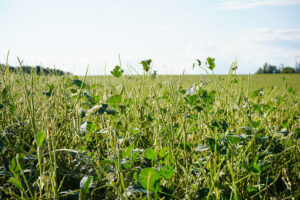
As we drive around the country we see the farms and machinery getting bigger. Our farmers are doing everything under the sun, (hybrid seed, chemical fertilizer, sprays to kill weeds and insects, tile drainage to allow them to plant sooner and be assured that the field will be dry enough in the fall to harvest) all this investment to keep the cost of our food down.
There are more than 570 million farms in the world. Only eight per cent of the world’s arable land is in the US. Eighty-five per cent of the farms are smaller than two hectares. These small farms cannot afford fertilizer, sprays, machinery, or even hybrid seed. They must keep their own seed from year to year to plant next year’s crop. In times of disasters like earthquakes or drought many of these countries will not even accept donated grain if it is hybrid or GMO because some of it might be kept for planting next year’s crop.
Grain from hybrid seed if planted will not produce an abundant crop but will produce some yields that are very inferior and the consequences could leave the farm or even country in need of food assistance again next year. Or, if some of that poor yielding seed got replanted again, leave them in need of grain for years to come.
In some of these under- developed countries they have been donated hybrid or GMO seed and without fertilizer and the chemical sprays to match the crop, the yields are pitiful. Some farmers tried to convert their crop to the new technology with purchased hybrid seed, fertilizer and spray but within a few years went bankrupt because the returns from the crop would not pay for the inputs. Shame of failure and an increase in farm suicides ensued.
Recently as I listened to a neighbour who had studied one of these areas where farming and living were very basic, it was noted that no doctor or other medical help was near the area. When asked about sickness in the area the response was that no sick people were observed. Then I remembered that most sickness is caused by improper diet. This village grew all their own food and ate very little meat. People with broken bones or the very sick were transported to a large center.
The ages and health of the elderly was above normal in the community. The elderly were a valuable asset in passing on knowledge and teaching the young jobs necessary to maintaining a healthy community. People were dependent upon each other for both food and other necessities. Even their clothing and dwellings were homemade. It was evident that food, friends, and helping each other were important and material things had very little value.
Chris Judd is a farmer in Clarendon
on land that has been in his
family for generations.
gladcrest@gmail.com