






For over 100 years the Draper family farm has stood in Quyon and while over the years it has changed, it still stands strong.
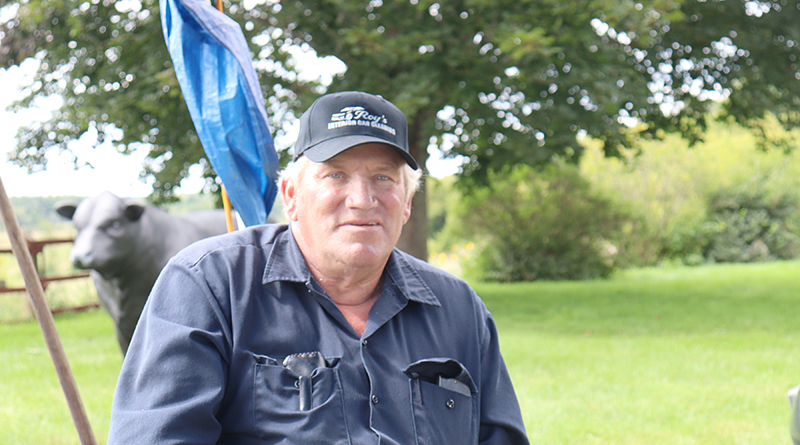
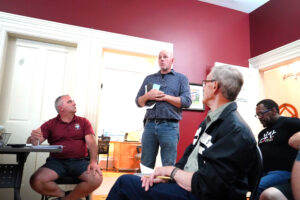
Blake Draper, the current owner of the farm, sat down with THE EQUITY to talk about his experience as a farmer and what he’s learned over the years.
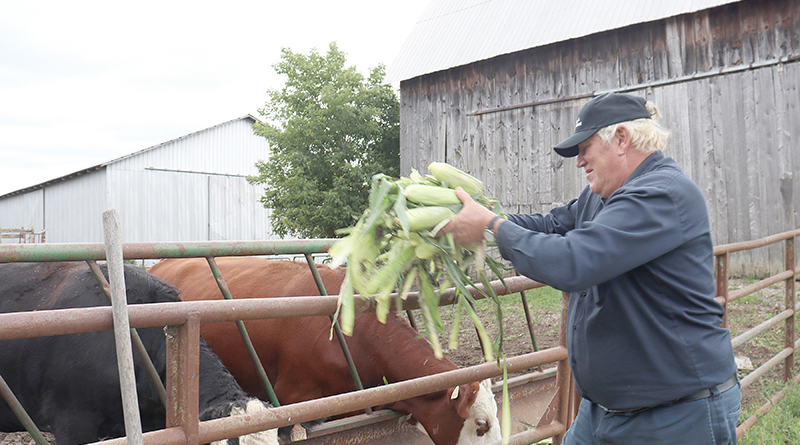
The farm has been around since the 1900s. Draper’s father took it from his father in 1955 and it stayed in the family since then. In its early days, it was a dairy farm but over time the upkeep became very stressful on Draper’s father and in the 70s they bought a herd of cow/calves and since then have had a cow/calf operation.
Draper was born and raised on the family farm and although he went away for a few years to work as a heavy equipment mechanic in Ottawa, he came back and took up farming full-time with his father in 1990.
“I worked for 10 years with my father to build the farm up before I took it over. I bought more machinery, bought more cattle, things like that so that it was more viable when I did take it over,” said Draper.
Part of the reason he wanted to return to the farm life was to help his father as he was getting old, but also because the company he worked for closed down which was the push to move back to his hometown.
“I thought well I’ll try the farming full time and if I can survive, I will,” he said. The reason he stayed all those years later was that he loved the outdoors, tending to the land, caring for the animals, and the farming community. It became his life.
In 2000 Draper and his wife Sandy Draper bought the farm. Blake explained this industry needs a person to stay at it to see a return. Over the years he has seen farms that are in it for 10 years or less and then decide it isn’t for them. “You have to have a passion for farming; you can’t look at it as a get-rich-quick. It takes a lot of years and a lot of investment to stay at it.”
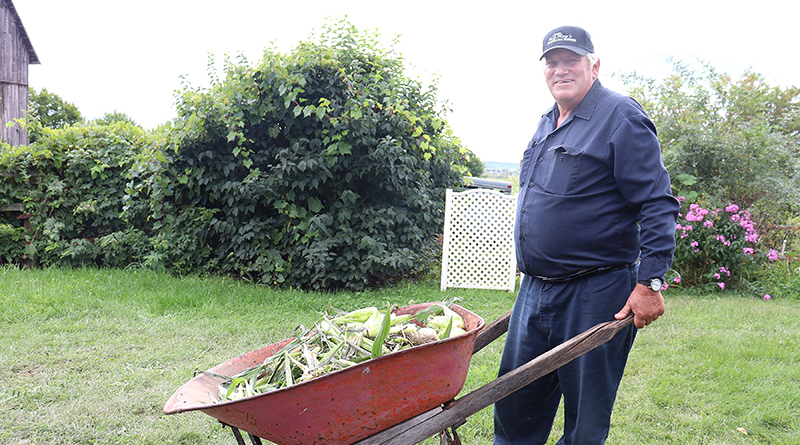
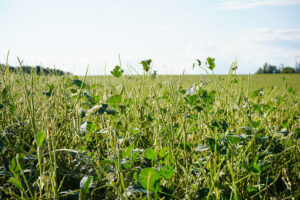
Although the main driver on his farm is his cow/calf operation, his family has also been farming corn for over 50 years. He tries to plant them three to four times a season depending on the weather as it usually takes 72 days for them to sprout and be ready for harvesting, he explained.
“Because of our location here on the highway, we can market it right here. We don’t have to go anywhere with it,” he added.
Some years they got lucky and others they lost a whole harvest because of the weather or because of the limitations with the sprays you can use to keep out the pests. He referred to one species as armyworms. “They go by that name because if they start to go through that field on an angle, they just continue and they’ll eat it to nothing,” he said.
Some of the things he’s picked up on over the years are always learning new things, like learning how to use pesticides to spray his farm and keeping up with changing government rules and regulations, as well as maintaining healthy soil by hiring an agronomist to inform him about the recommended amount of fertilizer he needs to put on his land.
Blakely currently keeps 75 pairs of cow calves and has about 150 to 200 animals on about 283 acres of land.
Having a few decades behind him, he spoke a little on some of the challenges he has faced as a farmer: One is not knowing what your prices are going to be, making it hard to budget, he said. When mad cow disease went rampant across the country the price of cattle dropped almost 75 per cent in a matter of hours, he explained, which lasted about two years, but during that time farmers were compensated through government programs, otherwise farms would have gone bankrupt because there wasn’t a market for cows over 30 months old.
When asked how he recovered from the mad cow disease he said: “Just stayed at it, just kept going. I held cattle for a while, but then I did sell. I sold cattle for less money than normal, but then there were government aid programs that helped bring the price up to a reasonable amount.”
Another challenge is the unpredictability of mother nature, which means sometimes losing your crops for one year. A major concern for Blake was also the lack of new farmers taking over family farms or starting their own. Without young farmers entering the industry he worries about the future of farming.
“I think we need more people in the industry, we need more farmers because there are more people, so somebody’s gotta feed them,” he said.
There’s room for all sorts of farmers, if you are organic, conventional or natural, there is a place for you to succeed, he added.
Blake is pretty involved in the farming community, a along with his farming duties he is also a director of the beef sector for the MRC des Collines and is part of the UPA.
Speaking on how tough and oftentimes stressful industry farming can be, he highlighted the work of Écoute Agricole, which is a farmer wellness worker service. Because it can be a very lonely industry, services like this help farmers get through tough times, Blakely said.
“I guess a lot of us feel that it shows weakness to admit we need help, and that’s a big stigma to get past,” he said. “I feel it’s a very important service.”
When asked when he plans on retiring, he said he hasn’t made any plans to pass the farm along yet. “I’d like to go at least another 10 years, I think,” said Blakely, who is currently 60 years old.
His wife said: “It’s really hard to see where Blake ends and the farm starts, there’s so much of him in the farm and vice versa.” For now, Blakely doesn’t see himself expanding. Maybe in the coming years he might downsize but he’ll never stop farming completely, it’s who he is, it’s his lifestyle.