






In 2016, a group of industrious volunteers began the tall task of converting a network of portage routes and logging roads along the Dumoine River into a walkable trail.
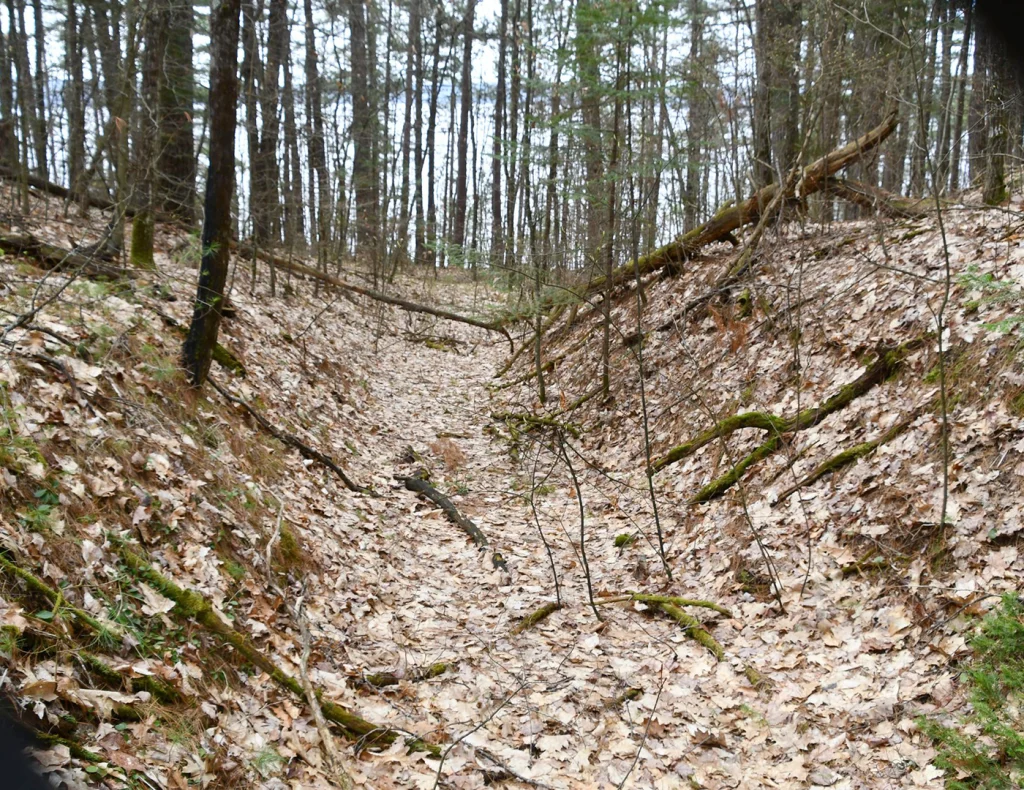
The Friends of the Dumoine [FOD], as the group calls itself, set out to clear brush, fallen trees, and debris from the Tote Road, which was used as a supply route during the golden days of the timber industry, but over a period of neglect became overgrown.
Enthusiasts of the Dumoine’s beauty, history and ecology connected segments of road and trails into a 26-kilometre hiking trail and installed placards along the way that tell the river’s story.
This month, the group has acquired a historic property that will help it continue to tell its story.
The property sits on a hill at the mouth of the Dumoine River, where it empties into the Ottawa, a piece of land that has been used by Anishanabeg, French and Hudson’s Bay Company traders for centuries. A 1950 flood decimated the site, but a lone cabin on the hill survived.
On Jan. 1, seven FOD members contributed money toward the lease purchase of the land where the cabin still stands, officially beginning the transfer of ownership.
Wally Schaber, a founding member of FOD and author of a book about the history of the river, said the cabin was built in 1919 for fire rangers from the Ottawa River Fire Protective Association.
“Many others, including rangers, loggers, teamsters and club members started their trips from this base,” he said, adding that the only Ontario fire tower ever located in Quebec was built in the 1930s on the height of land just above the cabin.
Schaber said the property’s location at the mouth of the river was one reason why they wanted to purchase it.
“The beginning of the Tote Road was a key piece of property that FOD needed to control for the future of this project. With proper development and storytelling, everyone that ventures [ . . . ] along the trail will get a self-guided tour of the real history of this amazing site.”
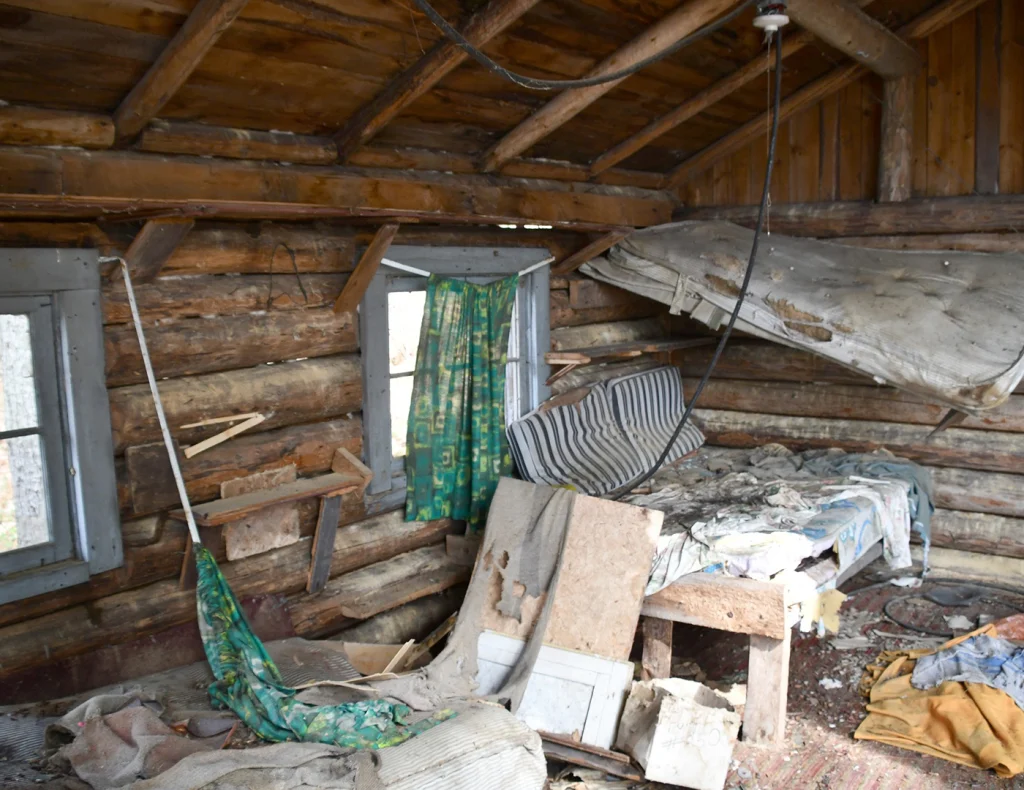
As for the cabin, only two of the four walls remain intact.
“This year we will clean up the site, make it safe, salvage what we can and turn it into a primitive self-serve welcome centre,” Schaber said, adding that they will install signage, a landing dock, four tent sites, an Adirondack shelter, two outhouses, and rainwater barrels to the site.
Marc Audet, a volunteer with FOD responsible for maintaining the Ottawa River section of the trail, said the response from the community has been supportive, with commenters on Facebook offering construction tips or even volunteering an extra pair of hands.
“A lot of people have come forward and are offering their services, like carpenters. So we’re really hoping to organize a work party in the summer,” he said.
One such commenter, Ian Thomson, who works on timber frame cabins like these in his spare time, said he didn’t believe the structure was designed with longevity in mind.
“It was just a little quickly-thrown up structure, and they haven’t kept a good roof on it,” he said, adding that his suggestion was to replace the building instead of restore it.
“You can’t make a silk purse out of a sow’s ear,” he said, suggesting a rebuild might be more efficient, while also acknowledging that there could be some historical value in preserving what is left of the cabin’s north and west walls.
Despite the cabin’s condition, Audet said the site has historical as well as practical value, and developing the site will help those who canoe from the Ontario side of the river to access the trail, or provide a safe shelter for those leaving the trail.
“If the weather is rough, or if the whole of the lake or the Ottawa River is really rough, and they have to wait, that’s what the shelter is for. It’s so they have a place to wait until the conditions improve, then they can make a safe crossing back to the Ontario side to finish their outing,” he said.
Audet added that the group wants to include placards on the site about the history of the cabin and the trading site at the mouth of the river, an initiative that fits into the broader project of teaching visitors about all aspects of the river.
“Not only are you enjoying the beautiful forests [ . . . ] but about every five kilometres there’s a major historic site,” he said.
“And by the time you’ve done the hike, you’ve learned about not just the logging — we’re also doing whatever we can to bring up the history of First Nations people. We’re also going to be characterizing the ecological aspects of the trail, too, so that rare flora and fauna are shown or highlighted.”
The group, which has 200 members, is trying to raise $60,000 to cover the renovations, the improvements to the site, and to refund the lease purchase.
Donations can be sent via e-transfer to dumoinefriends@gmail.com, or by mailed cheque to the following address:
Friends of Dumoine
693 Chemin du Lac Meech
Chelsea, QC
J9B 1H9