






“You reap what you sow.” If you plant goodwill and friendship, you will likely have lots of friends and help when you are in need. If someone is a “me, me, me person” they may find themselves alone when they need someone.
When our ancestors first pioneered this great land, they quickly learned to help and depend on neighbours to do many jobs that seemed easier and a lot more fun if people helped each other. They also learned that not everyone had carpentry skills or could butcher a hog or a deer as skillfully as a neighbour. They also learned quickly that if you planted clean grain without weed seeds, in the fall you harvested clean grain too. They also learned that if a neighbour’s crop was usually better than theirs, a bag of seed grain from his farm would usually grow a better crop on their own farm too.
Two hundred years later, many colleges test hundreds of varieties of corn, wheat, oats, alfalfa, etc. for yield, standability, protein content, energy yield per acre, digestibility, winter hardiness of alfalfa, which corn variety has the highest bushel weight of the grain, and many other desirable traits. Farmers choose the variety that best suits their needs. For instance, brown midrib corn makes more digestible corn silage. High bushel weight corn has a higher selling price at the elevator, but soft textured starch. Low bushel weight grain corn is more . . .
digestible for dairy cows. A hundred dollars more spent on seed in the spring will pay back thousands of dollars more in the fall. Planting a “winter-hardy” more digestible hay mixture could return thousands more dollars to the farm for years to come until the field is plowed up again.
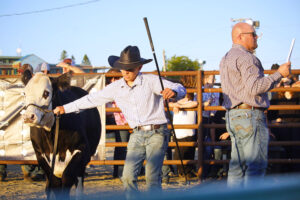
When animal farmers think seed, they are thinking seed stock, or the bull, racehorse or hog that the farmer will choose to breed their female animals too. The choice here will determine the quality of animals you will have to sell, milk, or the quality of beef to sell for years to come. Today, most animals are artificially inseminated with semen that can cost between $50 and $5,000. This is a huge decision for today’s farmers to gamble on, but the profitability of the farm in the future will also depend on today’s choice.
Many of today’s very good dairy cattle are bred with “sexed semen” to give only female calves. This allows the farmer to choose the best, more expensive semen to breed the best cows, and in future years there will be more better-quality cows in the herd. As time evolves, so do the decisions made by farmers. Dairy farmers used to breed for a small tight hoof on the cows which looked neater in the show ring.
The beef farmers taught the dairy farmers here. Beef farmers liked a cow with a wide hoof and the toes wide enough apart to allow the cow’s hooves to be cleaned by walking through sand or grass. Cattle with toes too close together have a higher degree of foot rot or infection between their toes, like athlete’s foot. Now the dairy farmers have changed their choice of what a foot should look like.
Consumers also change the farmers’ decisions of what to select and breed for. For many years the consumer wanted less butterfat and higher protein. Then our doctors found out that the cholesterol in butterfat was much easier for our bodies to get rid of than plant-based cholesterol and, suddenly, butter became more desirable than margarine. Dairy farmers had spent decades trying to feed and select cattle to produce more protein and lower butterfat content in the milk. For the past 10 years, they have tried to reverse the milk content to have more butterfat and less protein. Luckily, it is much easier to feed and breed for higher butterfat. Feeding more ruffage (hay and corn silage) keeps the dairy cows healthier and it costs less to feed ruffage than expensive grain. Now other countries are trying to dump their subsidized skim milk powder and whey protein supplement into Canada’s already overstocked market. Why can’t we make beer from this very low-priced product?
The third kind of seed that our farmers have to select for is the same problem that faces everyone. This is the most important selection of our life. The mate that we choose, whether we are a handsome boy or a beautiful girl, will help determine our happiness, success, and friends for us and generations to come. A close look at most successful businesses will make you think very closely about what the mate adds to the success of the family, friends, and business. An old saying states “you get to be like who you hang around with” and sometimes you have to look back generations to find out who you really are.
Select your “seed” carefully. It’s your future.