





CALEB NICKERSON
SHAWVILLE Dec 16, 2020
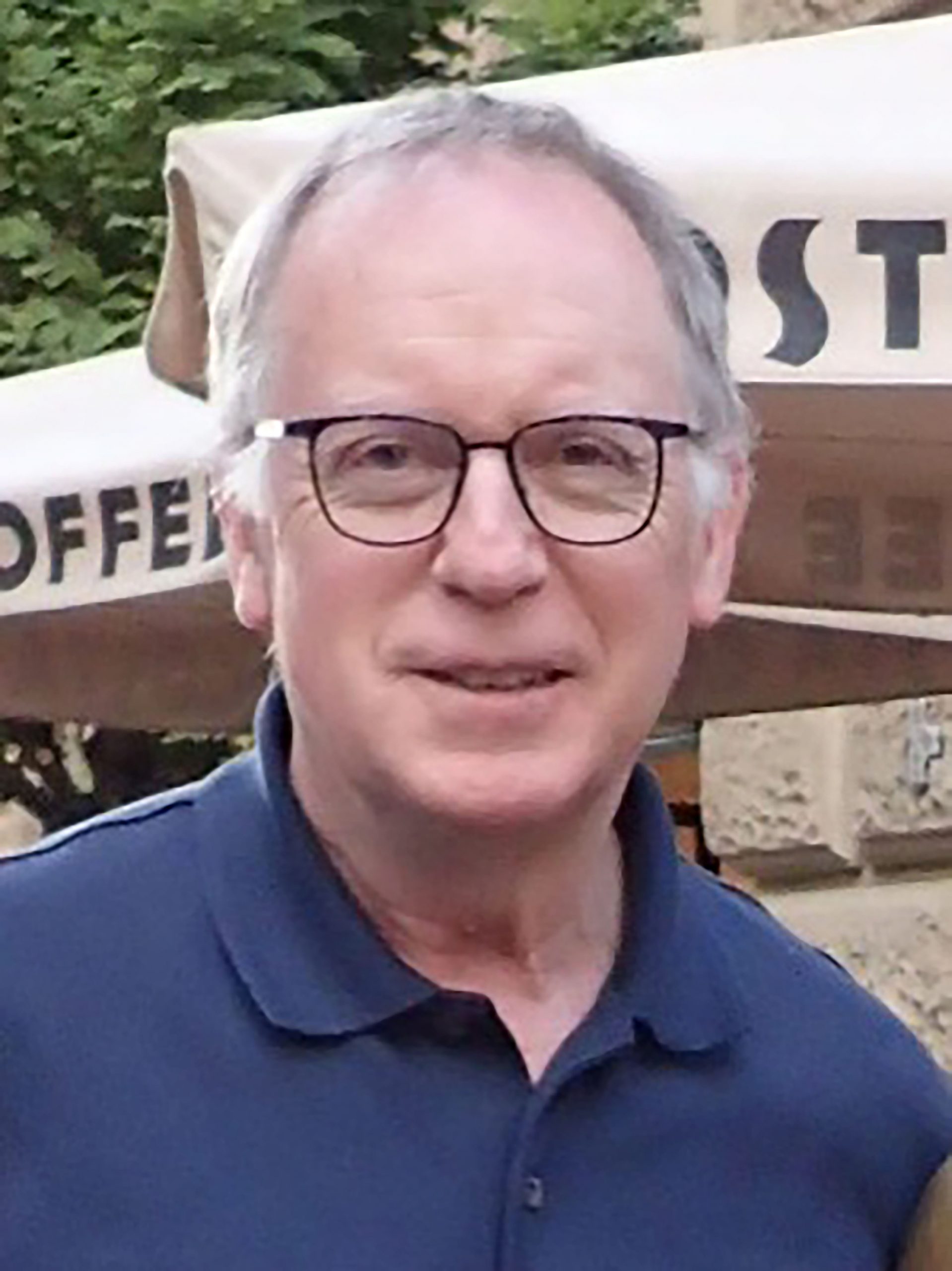
The operating room at the Pontiac Community Hospital (PCH) can handle a lot of things. Patients come in requiring anything from an appendix removed to complex bowel resections. However, specialty surgeries are key to keeping the department chugging along efficiently and a surgeon who has been serving the region for decades is set to retire next fall.
Dr. Brian Patenaude is an ophthalmologist (eye specialist) who performs cataract surgeries once a week at the hospital. Last year he knocked out a total of 451 procedures averaging around 10 a week. He estimates that roughly 80 per cent of his patients hail from the Pontiac, though he gets referrals from all over the region.
Cataracts are the most common surgery performed, especially so in an area with . . .
an aging population. They occur when the lens behind the pupil becomes increasingly inflexible as people get older, starting in most people’s 40s (when many start needing bifocals). Eventually the lens becomes discoloured or cloudy to the point where vision is impaired, which is when intervention is necessary.
“Everybody gets cataracts, but not everybody’s vision is affected by their cataracts,” Patenaude explained. “We get the occasional patient that never has to have the cataract surgery, but most people as they get older they eventually need [it]. I wouldn’t say it’s 100 per cent, but it’s probably 70 per cent … of the elder population.
“The discoloured part of the lens has to be removed, so we make a small incision in the side of the eye,” he continued. “We open the capsule of the lens and basically break up and vacuum out the discoloured part and replace it with an implant that refocuses the light rays on the back of the eye.”
While most cataracts occur slowly, in extreme cases they can take someone’s vision in a matter of weeks. Patenaude stressed the importance of healthy eyes.
“Especially in a rural community, people need to drive their cars when they go to town and everything, so it’s an important [service],” he said. “Another thing, there have been studies done that have shown that if cataract surgery is delayed, there’s an increased incidences of falls and fractures and things like that. So by retaining good vision, it reduces other health problems as well.”
Patenaude started his practice in Gatineau in the late 70s and started doing regular clinics at PCH about a decade later.
“I grew up in Old Ottawa East and I’ve actually been going to the Pontiac since I was five years-old because we have a family cottage up near Ladysmith,” he explained. “So the area was already quite familiar to me, I had a lot of connections up there already.
“When I first started working there, I wasn’t doing surgery, I was only doing clinic,” he continued. “I was working in a portable where we had the eye clinic. Then they built the new wing of the hospital and the new operating room and I kind of moved into the hospital and started doing surgery.”
According to an article from The Equity archives, Patenaude started performing surgery at the hospital in early May, 1998. The Hospital Foundation raised $170,000 to finance the equipment.
Dr. Tom O’Neill, currently the head of anaesthesiology at PCH, was the founding president of the foundation. He said that following the acquisition of the equipment for cataract surgery, the foundation turned its focus towards purchasing a CT scanner, which is another expensive, enormous asset for maintaining local surgery.
“We knew in the year 1998, that unless we had CT scans we would not be able to attract any surgeons,” he said. “That was the big push to provide that. The CT scan is basically a tool which helps the surgeon to make a decision whether to operate or not. If we didn’t provide that at that time, you’d have a progressive deterioration of services here, no surgeons would come and before you know it, you don’t have an operating room. Now at the moment, we do close to 1,000 operations per year.”
He stressed the importance of the specialty services like Patenaude’s to the overall functioning of the hospital’s operating room.
“If we look at the operating room, look at general surgery, [endoscopy] … and specialized surgery,” he said. “They’re the three areas that are important. Brian is a very important player in specialized surgery.
“The principle thing is general surgery, but cataract surgery here, for example, that keeps the [nurses] busy and they can do the job, they can do other types of assisting and nursing and inhalation therapy,” he continued. “When you don’t have the operating room functioning well, then you have a problem.”
In addition, the availability of an anesthetist at PCH means that the hospital can handle patients that require more sedation, something that is not as easily available in the city.
“What’s happened over the last couple of years, there are certain kinds of people who are either extremely anxious or they’ve got dementia or other problems and they can’t stay steady while you’re doing cataract surgery,” O’Neill explained. “What we provide on a regular basis, is an anaesthetist in the room to support him if he needs it. That works very well for him, so he gets some referrals from the city.”
Both O’Neill and Patenaude expressed frustration that Shawville’s operating room is being judged by CISSSO’s administrators based on metrics of efficiency that apply to urban institutions, despite PCH’s OR recently hitting its highest ever efficiency rate. One major difference is that local OR nurses, unlike their urban counterparts, work in other departments rather than being specialists.
“They still think our operating room nurses are the same as city nurses,” Patenaude said. “So they’re basically comparing apples to oranges and they’re calling them both apples.”
He also said that he believes for the recent calls for decentralization of health care administration to succeed, the general public needs to put more pressure on local and regional authorities.
“The people that are the foot soldiers, that are in the trenches probably could give some of the people in positions of power some good advice because they’re there day-to-day, they see what happens, but they never get listened to,” he said. “That’s fairly typical of any organization, but that’s what we’re seeing play out … My personal opinion is that the change can never come from the nurses or the medical staff, it’s got to come from the public. Nothing’s ever going to change because the staff, we’re treated as if we only have our own interests at heart … We’re not going to get anybody any votes, so we’re not listened to.”
Patenaude explained that he’s been searching around for an ophthalmologist currently working in the region to take over his service before he retires, but hasn’t had much luck. The number of specialists per region is something that’s dictated by the province, assigning certain numbers to authorities like the CISSSO. The system is reactive, meaning that replacements are only sought once a physician has retired or left the system. Patenaude said that the Outaouais region has been short changed by Quebec for many years when it comes to eye specialists.
“It’s really the [Health] Ministry of Quebec that controls this, they have this system of assigned positions in Quebec for specialists, so you only have so many assigned physicians for ophthalmology in the Outaouais, I think it’s eight right now or seven,” he said. “Our population base is comparable to the Sherbrooke area and they have 15 ophthalmologists. So they have double the number of ophthalmologists and they have all the sub-specialties … We have a glaucoma specialist that we’ve had for about a year now. He’s our first sub-specialist. We’ve been lobbying the Quebec government to give us more positions … but that’s not going to happen overnight.”
He added that practicing in a rural environment could be an interesting challenge for an up-and-coming ophthalmologist,
were they willing to make the trek up the highway from the city. Since there is only one day of clinic and one day of surgery required to serve the population base, it could be a supplementary role for a physician working in the city, or a way for a doctor nearing retirement to cut down on their workload. O’Neill added that there is even an apartment available at the hospital for visiting specialists if they don’t want to make an extra trip back and forth.
“The other thing, for a young doctor starting up, you see a lot of very interesting pathology up here, people with interesting conditions … than you’d see in the city,” Patenaude said. “[Patients tend to be] at a more advanced stage whe n they actually come and see a doctor.”
While Patenaude said that he has enjoyed his time practicing medicine and seeing the progression of cataract surgeries over the course of his career, he said he was ready to transition to the next phase of his life.
“I’ve seen the whole technology evolve and it’s been fantastic,” he said. “I feel so privileged to be able to do this work … it’s just as much of a thrill for me as it is for the patient … I still enjoy what I do, but I have grandkids and I want to be able to spend more time with [them], spend more time at my cottage.”