





Mariane Desjardins Roy is a certified herbalist with over 20 years of experience. At her plant farm, La Fée des Bois Apothecary, she offers year-round workshops on wild plant identification, ethical foraging, and cultivating medicinal plants. Here, she shares tips and tricks for harvesting and cooking five plants that many consider to be a nuisance.
Warning about toxic plants
Before any foraging, it is crucial to recognize toxic plants and always have a reliable identification guide on hand. There are more than 10 deadly plants found in the Pontiac region, so being able to identify them is essential. Pay particular attention to roots and young shoots, as some toxic plants are most dangerous at these stages. Always verify identification with at least three reliable sources before harvesting or consuming a plant you believe to be edible. THE EQUITY is not responsible for health issues or damages resulting from this information.
A Note on Ethical Harvesting
For ethical and nature-respecting harvesting, never take all the plants from one area. Leave some for biodiversity and reproduction, and only take what you need. I generally encourage people to harvest just one in 10, or even one in 20, depending on the species in question. The plants mentioned in this article are considered weeds by most people, who often try to eliminate them with chemicals in their lawns and gardens. Therefore, for the majority of the plants presented here, abundant harvesting is possible.
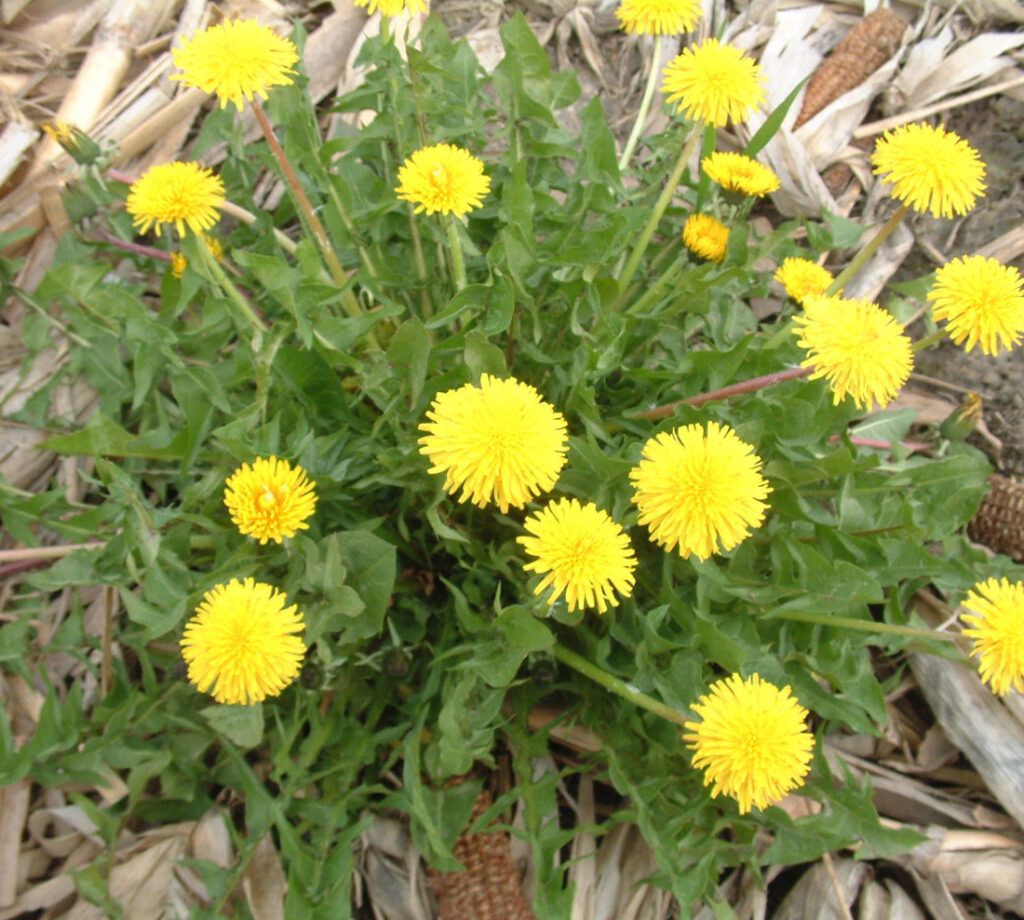
(Taraxacum officinale) – Roots and Leaves
Habitat: Dandelions grow everywhere: in meadows, lawns, forest edges, and along roads. They adapt to nearly all soils but prefer sunny, slightly moist areas.
Harvesting: For leaves, pick young shoots in spring before flowering. For roots, dig them in early spring or fall.
Preparation: Leaves are delicious raw in salads or cooked in soups. Roots can be sautéed with other root vegetables or boiled for a mineral-rich broth. Dandelion is known to support digestion and liver function, and its leaves are rich in vitamins A, C, and K.
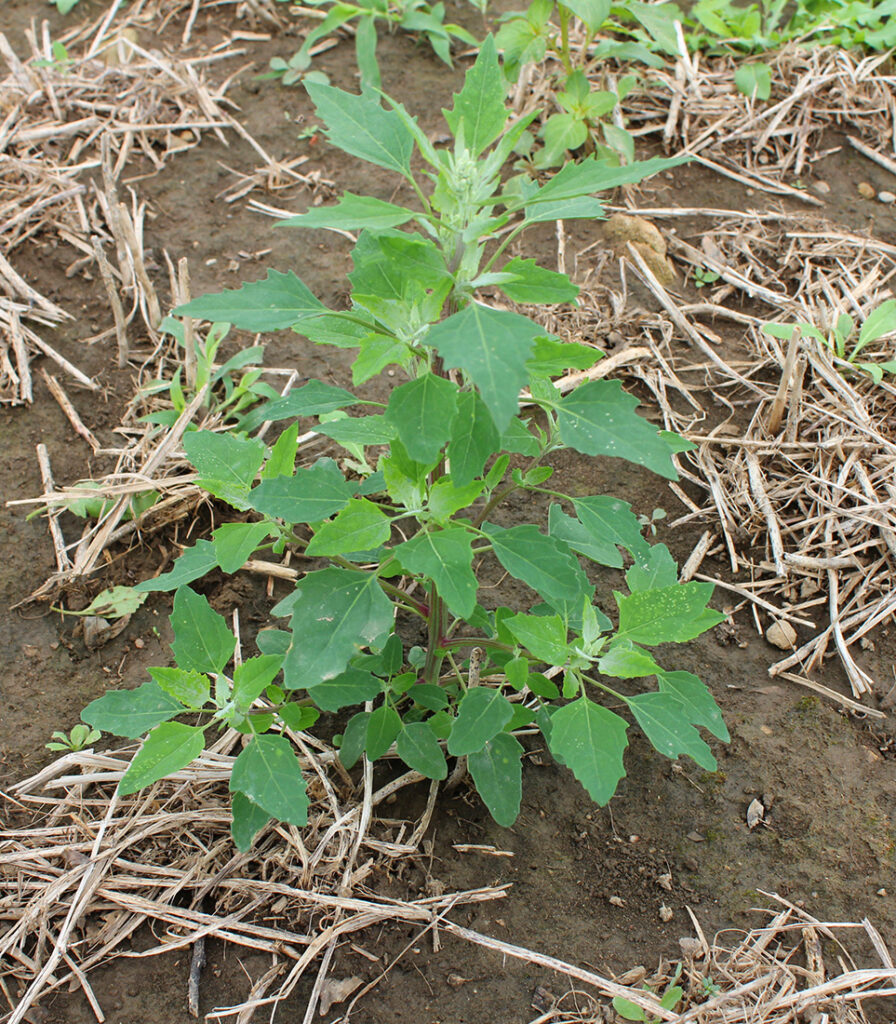
(Chenopodium spp.)
Habitat: Found in fields, vacant lots, gardens, and along paths, lamb’s quarters prefers light, and well-drained soil.
Harvesting: Pick the young leaves and stems in spring and early summer. Avoid plants near busy roads or potentially contaminated areas.
Preparation: Leaves can be eaten raw in salads or cooked like spinach. Tender stems are also edible. They can be added to soups, omelets, or used to make veggie patties. Mature seeds can be harvested, toasted, or ground to add to bread. Lamb’s quarters is very high in protein, calcium, and vitamins A and C.
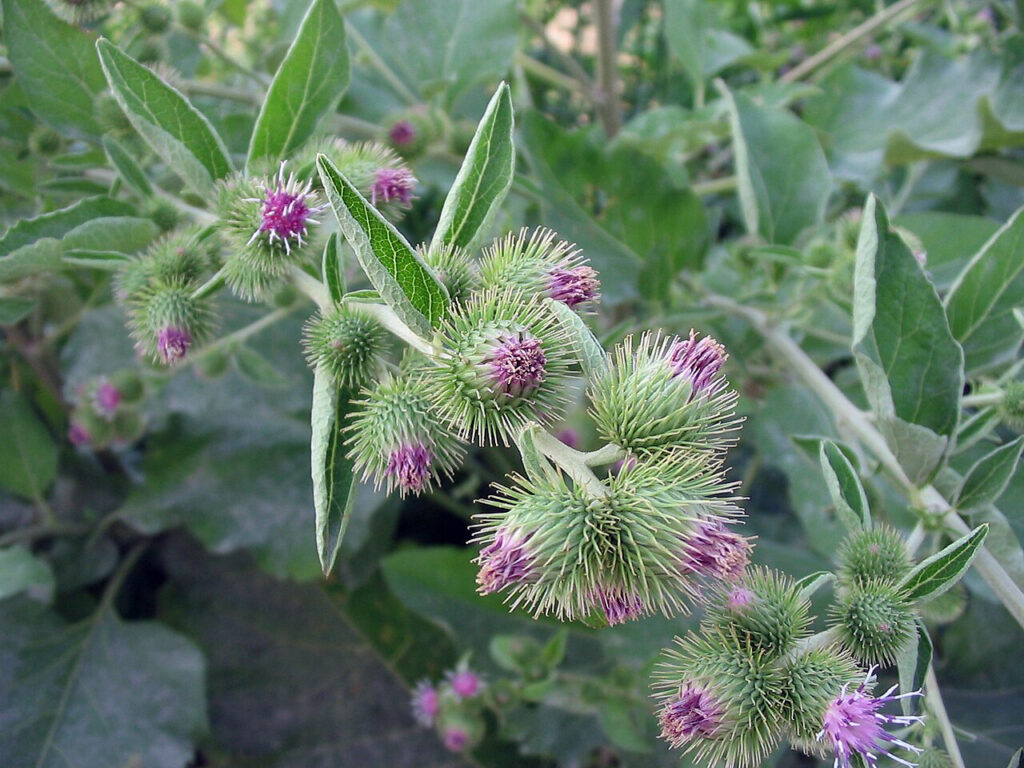
Habitat: Burdock grows in rich, moist soils,
often found in abandoned fields, woodland edges,
and disturbed areas.
Harvesting: Dig the root in the fall of the first year or in spring before flowering. It is important to respect this harvesting window because burdock is biennial.
Preparation: Roots can be boiled, sautéed, roasted, or added to soups and stews. They are slightly sweet, rich in inulin and fibers beneficial for the gut microbiome. Burdock is recognized for its cleansing properties and supports liver and skin health.
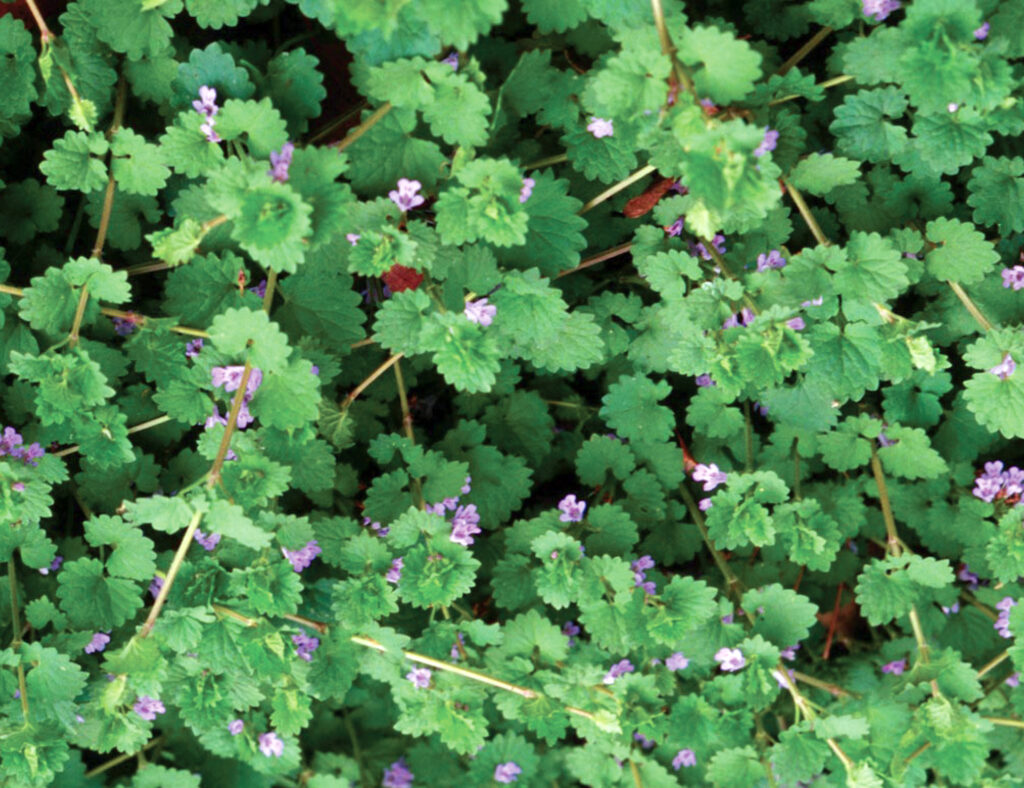
(Glechoma hederacea)
Habitat: A ground-covering plant often found in garden beds or lawns where people try to remove it. In addition to being one of the first food sources for pollinators, it is incredibly nutrient-rich.
Harvesting: Pick leaves and stems in spring or early summer. Avoid areas treated with pesticides.
Preparation: Ground-ivy can be used fresh or dried in infusions for mild digestive and cleansing effects. Young leaves can also be added to salads, soups, or sauces for a lightly minty flavor. It is a preferred mild antihistamine.
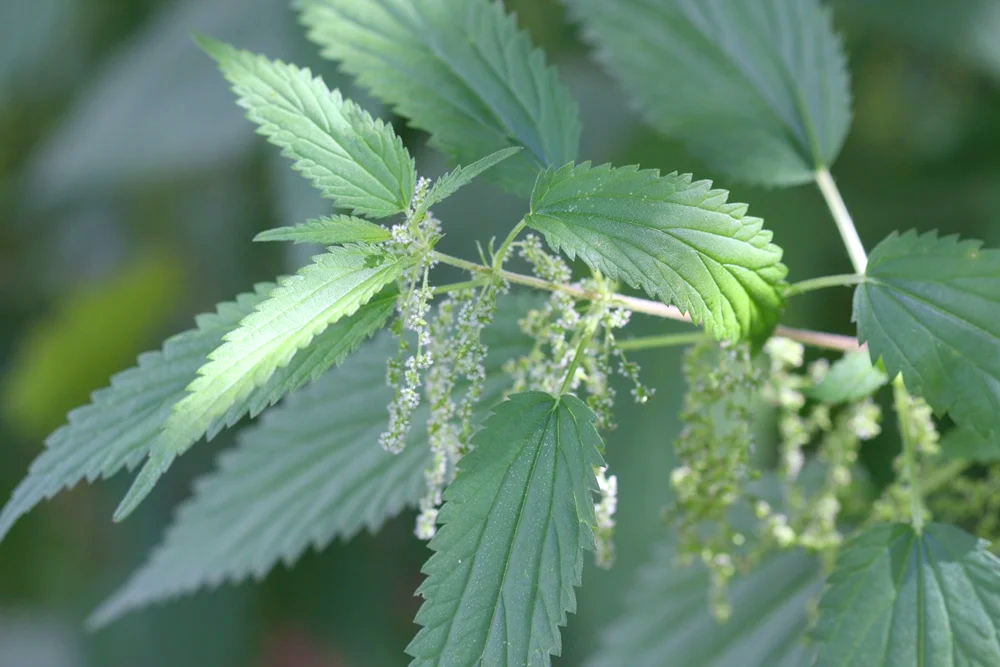
Habitat: Nettle is often found in nitrogen-rich areas, especially near farm barns, and frequently grows in manure. It prefers slightly moist, fertile soils.
Harvesting: Wear gloves to avoid stings. Pick the young spring shoots, ideally before flowering. Cut the stems with scissors to minimize damage.
Preparation: Young leaves can be blanched for 1–2 minutes to remove stinging hairs, then used in soups, health dishes, pesto, or herbal teas. They can replace spinach while being much more nutritious! Nettle is a superfood with numerous medicinal properties. It can help treat seasonal allergies and act as a natural antihistamine. Dried leaves are perfect for mineral- and vitamin-rich infusions. Fresh nettle is a high source of iron, potassium, natural calcium, and vitamin C.
Mariane Desjardins Roy est une herboriste certifiée avec plus de 20 ans d’expérience. À sa ferme botanique, La Fée des Bois Apothecary, elle offre des ateliers toute l’année sur l’identification des plantes sauvages, la cueillette éthique et la culture de plantes médicinales. Ici, elle partage des trucs et astuces pour la cueillette et la cuisine de cinq plantes que plusieurs considèrent comme une nuisance.
Avertissement concernant les plantes toxiques
Avant toute cueillette, il est crucial de reconnaître les plantes toxiques et d’avoir toujours un guide d’identification fiable à portée de main. Il existe plus de 10 plantes mortelles dans la région du Pontiac, il est donc essentiel de pouvoir les identifier. Portez une attention particulière aux racines et aux jeunes pousses, car certaines plantes toxiques sont plus dangereuses à ces stades. Vérifiez toujours l’identification avec au moins trois sources fiables avant de récolter ou de consommer une plante que vous croyez comestible. THE EQUITY n’est pas responsable des problèmes de santé ou des dommages résultant de cette information.
Note sur la cueillette éthique
Pour une cueillette éthique et respectueuse de la nature, ne prélevez jamais toutes les plantes d’une même zone. Laissez-en pour la biodiversité et la reproduction, et ne prenez que ce dont vous avez besoin. J’encourage généralement les gens à récolter une plante sur 10, voire une sur 20, selon l’espèce en question. Les plantes mentionnées dans cet article sont considérées comme des « mauvaises herbes » par la plupart des gens, qui tentent souvent de les éliminer avec des produits chimiques dans leurs pelouses et jardins. Par conséquent, pour la majorité des plantes présentées ici, une récolte abondante est possible.
(Taraxacum officinale) – Racines et Feuilles
Habitat : Les pissenlits poussent partout : dans les prairies, les pelouses, les lisières de forêts et le long des routes. Ils s’adaptent à presque tous les sols, mais préfèrent les zones ensoleillées et légèrement humides.
Récolte : Pour les feuilles, cueillez les jeunes pousses au printemps avant la floraison. Pour les racines, déterrez-les au début du printemps ou à l’automne.
Préparation : Les feuilles sont délicieuses crues en salade ou cuites en soupes. Les racines peuvent être sautées avec d’autres légumes-racines ou bouillies pour un bouillon riche en minéraux. Le pissenlit est connu pour soutenir la digestion et la fonction hépatique, et ses feuilles sont riches en vitamines A, C et K.
(Chenopodium spp.)
Habitat : Présent dans les champs, les terrains vagues, les jardins et le long des chemins, le chénopode blanc préfère un sol léger et bien drainé.
Récolte : Cueillez les jeunes feuilles et les tiges au printemps et au début de l’été. Évitez les plantes près des routes très fréquentées ou des zones potentiellement contaminées.
Préparation : Les feuilles peuvent être consommées crues en salade ou cuites comme des épinards. Les tiges tendres sont également comestibles. Elles peuvent être ajoutées aux soupes, aux omelettes ou utilisées pour faire des galettes végétales. Les graines matures peuvent être récoltées, grillées ou moulues pour être ajoutées au pain. Le chénopode blanc est très riche en protéines, en calcium et en vitamines A et C.
Habitat : La bardane pousse dans des sols riches et humides,
souvent trouvée dans les champs abandonnés, les lisières de bois et les zones perturbées.
Récolte : Déterrez la racine à l’automne de la première année ou au printemps avant la floraison. Il est important de respecter cette fenêtre de récolte car la bardane est bisannuelle.
Préparation : Les racines peuvent être bouillies, sautées, rôties ou ajoutées aux soupes et ragoûts. Elles sont légèrement sucrées, riches en inuline et en fibres bénéfiques pour le microbiome intestinal. La bardane est reconnue pour ses propriétés nettoyantes et soutient la santé du foie et de la peau.
(Glechoma hederacea)
Habitat : Une plante couvre-sol souvent trouvée dans les plates-bandes ou les pelouses où les gens tentent de l’éliminer. En plus d’être l’une des premières sources de nourriture pour les pollinisateurs, elle est incroyablement riche en nutriments.
Récolte : Cueillez les feuilles et les tiges au printemps ou au début de l’été. Évitez les zones traitées avec des pesticides.
Préparation : Le lierre terrestre peut être utilisé frais ou séché en infusions pour des effets digestifs et nettoyants doux. Les jeunes feuilles peuvent également être ajoutées aux salades, soupes ou sauces pour une saveur légèrement mentholée. C’est un antihistaminique doux préféré.
Habitat : L’ortie se trouve souvent dans les zones riches en azote, en particulier près des étables de ferme, et pousse fréquemment dans le fumier. Elle préfère les sols légèrement humides et fertiles.
Récolte : Portez des gants pour éviter les piqûres. Cueillez les jeunes pousses printanières, idéalement avant la floraison. Coupez les tiges avec des ciseaux pour minimiser les dommages.
Préparation : Les jeunes feuilles peuvent être blanchies pendant 1 à 2 minutes pour enlever les poils urticants, puis utilisées dans les soupes, les plats santé, le pesto ou les tisanes. Elles peuvent remplacer les épinards tout en étant bien plus nutritives ! L’ortie est un superaliment aux nombreuses propriétés médicinales. Elle peut aider à traiter les allergies saisonnières et agir comme un antihistaminique naturel. Les feuilles séchées sont parfaites pour les infusions riches en minéraux et en vitamines. L’ortie fraîche est une source élevée de fer, de potassium, de calcium naturel et de vitamine C.