Holding elected officials accountable is a fundamental aspect of a healthy and functioning democratic system. There are several important reasons why accountability is crucial.
Safeguarding democracy: Accountability ensures that elected officials remain responsive to the needs and wishes of the people. It helps prevent the abuse of power and maintains the balance of power in a democratic system.
Preventing corruption and misconduct: Elected officials have access to public resources and make decisions that impact the lives of their constituents. Without accountability, there is a greater risk of corruption, unethical behavior, and misuse of public funds.
Transparency and trust: Holding officials accountable promotes transparency in government. When elected officials are open about their actions and decisions, it builds trust with the public and fosters an environment of honesty and integrity.
Improving public policy: Accountability encourages elected officials to make informed, evidence-based decisions that benefit the public. It discourages them from pursuing policies solely for personal gain or political expediency.
Encouraging civic engagement: When people believe that their voices matter and that they can hold their elected officials accountable, they are more likely to participate in the democratic process. This includes voting, engaging in civic activism, and contacting their representatives to express their concerns.
Correcting mistakes: Elected officials are human and can make errors in judgment or policy. Holding them accountable allows for the correction of these mistakes and the opportunity to learn from them.
Ensuring representation: Elected officials are elected to represent the interests of their constituents. Accountability ensures that they fulfill this role and address the concerns of the diverse groups they represent
Encouraging responsiveness: When officials know they can be held accountable for their actions, they are more likely to be responsive to the needs and desires of their constituents. They may hold town hall meetings, seek feedback, and take action to address community concerns.
Maintaining the rule of law: Elected officials are responsible for upholding the rule of law. Accountability helps ensure that they do not act above the law or engage in activities that undermine the legal and ethical foundations of society
Setting an example: When elected officials are held accountable, it sets an example for others in society, including future leaders. It reinforces the values of responsibility, ethics, and the rule of law.
In summary, holding elected officials accountable is essential to the functioning of a healthy democracy. It serves as a check on their power, encourages transparency, and helps protect the rights and interests of the public they serve. Without accountability, there is a risk of abuse of power and a loss of trust in the democratic system.
Pat Goyette is a retired forestry worker living in Fort Coulonge.
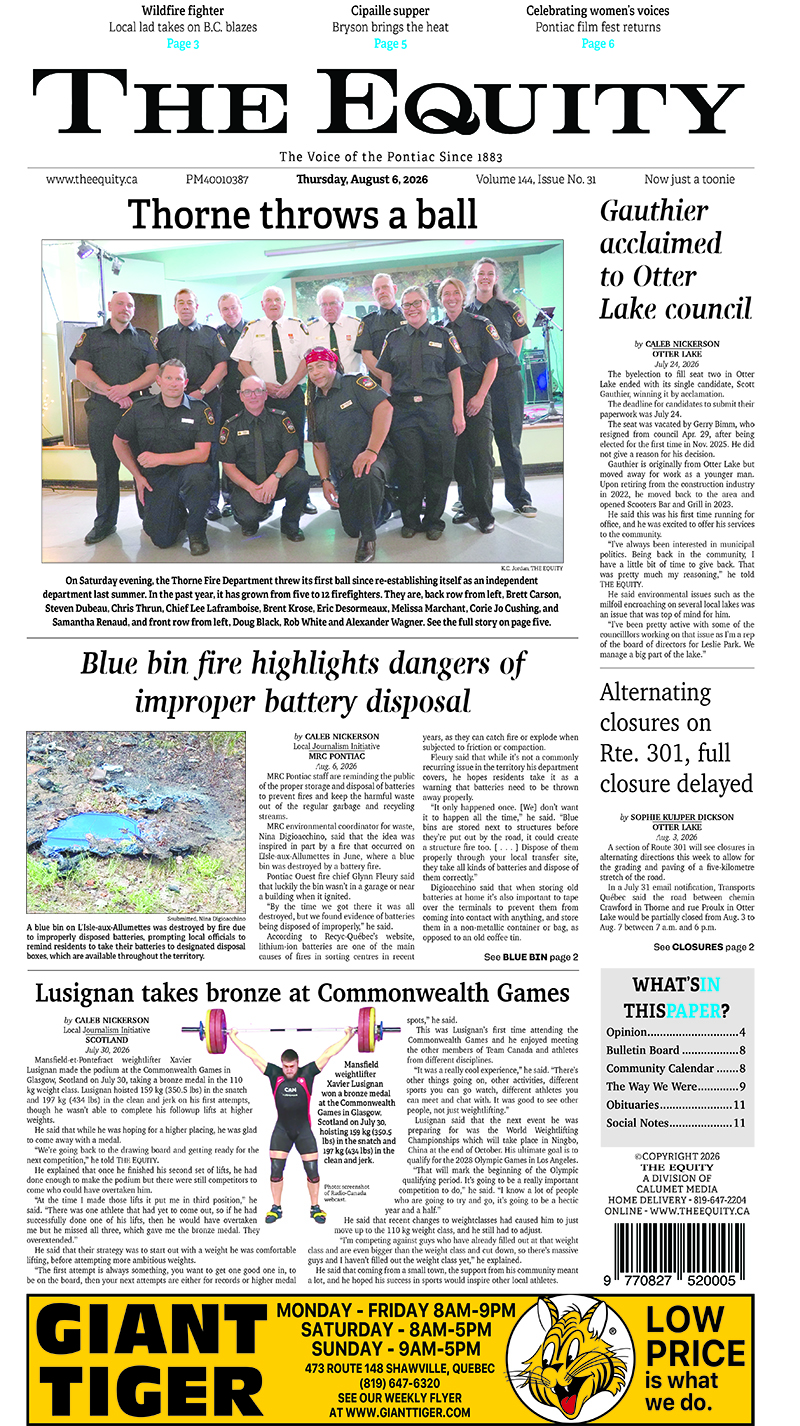




Accountability and Democracy
Accountability and Democracy
West Nile virus detected in mosquitoes in Arnprior
International women’s film festival to return to Fort-Coulonge
Pontiac lad fighting forest fires out west
Blue bin fire highlights dangers of improper battery disposal
Alternating closures on Rte. 301, full closure delayed
Regatta returns to Norway Bay
Coulonge plays ball for Comets minor hockey
Bryson cipaille supper sees big crowd
Fun Days’ don’t stop for the rain
Thorne celebrates firefighters at ball
Bois-Franc bridge construction to start
Lusignan takes bronze at Commonwealth Games
Holding elected officials accountable is a fundamental aspect of a healthy and functioning democratic system. There are several important reasons why accountability is crucial.
Safeguarding democracy: Accountability ensures that elected officials remain responsive to the needs and wishes of the people. It helps prevent the abuse of power and maintains the balance of power in a democratic system.
Preventing corruption and misconduct: Elected officials have access to public resources and make decisions that impact the lives of their constituents. Without accountability, there is a greater risk of corruption, unethical behavior, and misuse of public funds.
Transparency and trust: Holding officials accountable promotes transparency in government. When elected officials are open about their actions and decisions, it builds trust with the public and fosters an environment of honesty and integrity.
Improving public policy: Accountability encourages elected officials to make informed, evidence-based decisions that benefit the public. It discourages them from pursuing policies solely for personal gain or political expediency.
Encouraging civic engagement: When people believe that their voices matter and that they can hold their elected officials accountable, they are more likely to participate in the democratic process. This includes voting, engaging in civic activism, and contacting their representatives to express their concerns.
Correcting mistakes: Elected officials are human and can make errors in judgment or policy. Holding them accountable allows for the correction of these mistakes and the opportunity to learn from them.
Ensuring representation: Elected officials are elected to represent the interests of their constituents. Accountability ensures that they fulfill this role and address the concerns of the diverse groups they represent
Encouraging responsiveness: When officials know they can be held accountable for their actions, they are more likely to be responsive to the needs and desires of their constituents. They may hold town hall meetings, seek feedback, and take action to address community concerns.
Maintaining the rule of law: Elected officials are responsible for upholding the rule of law. Accountability helps ensure that they do not act above the law or engage in activities that undermine the legal and ethical foundations of society
Setting an example: When elected officials are held accountable, it sets an example for others in society, including future leaders. It reinforces the values of responsibility, ethics, and the rule of law.
In summary, holding elected officials accountable is essential to the functioning of a healthy democracy. It serves as a check on their power, encourages transparency, and helps protect the rights and interests of the public they serve. Without accountability, there is a risk of abuse of power and a loss of trust in the democratic system.
Pat Goyette is a retired forestry worker living in Fort Coulonge.
More Local News
West Nile virus detected in mosquitoes in Arnprior
International women’s film festival to return to Fort-Coulonge
Pontiac lad fighting forest fires out west
Blue bin fire highlights dangers of improper battery disposal
Alternating closures on Rte. 301, full closure delayed
Regatta returns to Norway Bay
Coulonge plays ball for Comets minor hockey
Bryson cipaille supper sees big crowd
Fun Days’ don’t stop for the rain
Thorne celebrates firefighters at ball
Bois-Franc bridge construction to start
Lusignan takes bronze at Commonwealth Games
West Nile virus detected in mosquitoes in Arnprior
International women’s film festival to return to Fort-Coulonge
Pontiac lad fighting forest fires out west
Blue bin fire highlights dangers of improper battery disposal
Alternating closures on Rte. 301, full closure delayed
Regatta returns to Norway Bay
Coulonge plays ball for Comets minor hockey
Bryson cipaille supper sees big crowd
Fun Days’ don’t stop for the rain
Thorne celebrates firefighters at ball
Bois-Franc bridge construction to start
Lusignan takes bronze at Commonwealth Games
Accountability and Democracy