





2017 is already known as the year of the never ending rain, flooding and delayed planting, some fields never getting planted!
For homeowners, it meant that many basements were flooded that were never wet before. Driveways and roads needed more gravel, eating up money that was planned for other improvements in our county.
Insurance rates did, or will go up to reimburse loses due to increased claims. Crop yields are down even though many farmers applied tonnes of extra fertilizer after much of it that was applied in the spring was leached down below plant roots by the never ending spring rains!
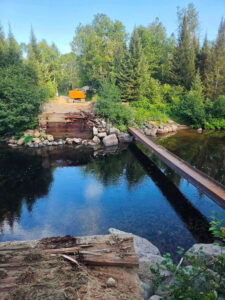
Much of these flooded basements, flooded fields, and boiling ups on roadways were contributed to by inadequately maintained watercourses, ditches and culverts that were not deep enough, both on provincial and municipal roads.
Now we are blessed with a wet fall with even more rain falling on already saturated fields and yards around our houses. A recent email that I received from our insurance company stated that claim losses due to flooding are even higher this fall than they were in the spring!
Fuel costs on the farms are also up substantially because it takes more fuel to harvest and draw in the crops in muddy fields than it is in a dry fall. It also takes more fuel to dry immature lower yielding crops that were already unprofitable. Trudging through fields that were too wet, trying to harvest these lower yielding crops, draw them into storage, driving through these wet fields spreading manure and doing fall tillage work in fields that are too wet causes soil compaction, destroys soil structure and soil tilth that will take years to repair. This will result in reduced yields on these compacted soils for many years to come.
Farmers knew in the spring that 2017 would be a survival year at best. But farmers always look forward to a better year next year. Crop yields on these fields that were compacted this fall may not be back to average for a few more years.
In some other counties in this great land of ours, ditches and waterways were better maintained. (Maybe they experienced a wet year like we did in 2017 years ago?) Culverts were lower and excess rains drained off faster resulting in less expenses due to flooding, less insurance claims, more fields planted on time, higher, more profitable crop yields and less road damage.
For many decades adequate drainage was considered the most important investment on the farm. When we add up all the costs attributed to saturated ground, adequate drainage might just be the most important investment that can be done in our county too.
Congratulations to all the councillors, mayors and Prefect in our recent election. Let’s hope that better drainage is the first thing on the agenda when they hold their first sessions. Winter freeze up is fast approaching.
Chris Judd is a farmer in Clarendon on land that has been in his family for generations. gladcrest@gmail.com