





STEPHEN RICCIO
PONTIAC July 29, 2020
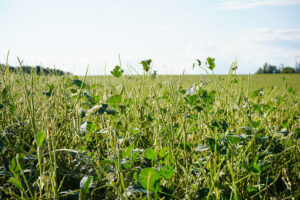
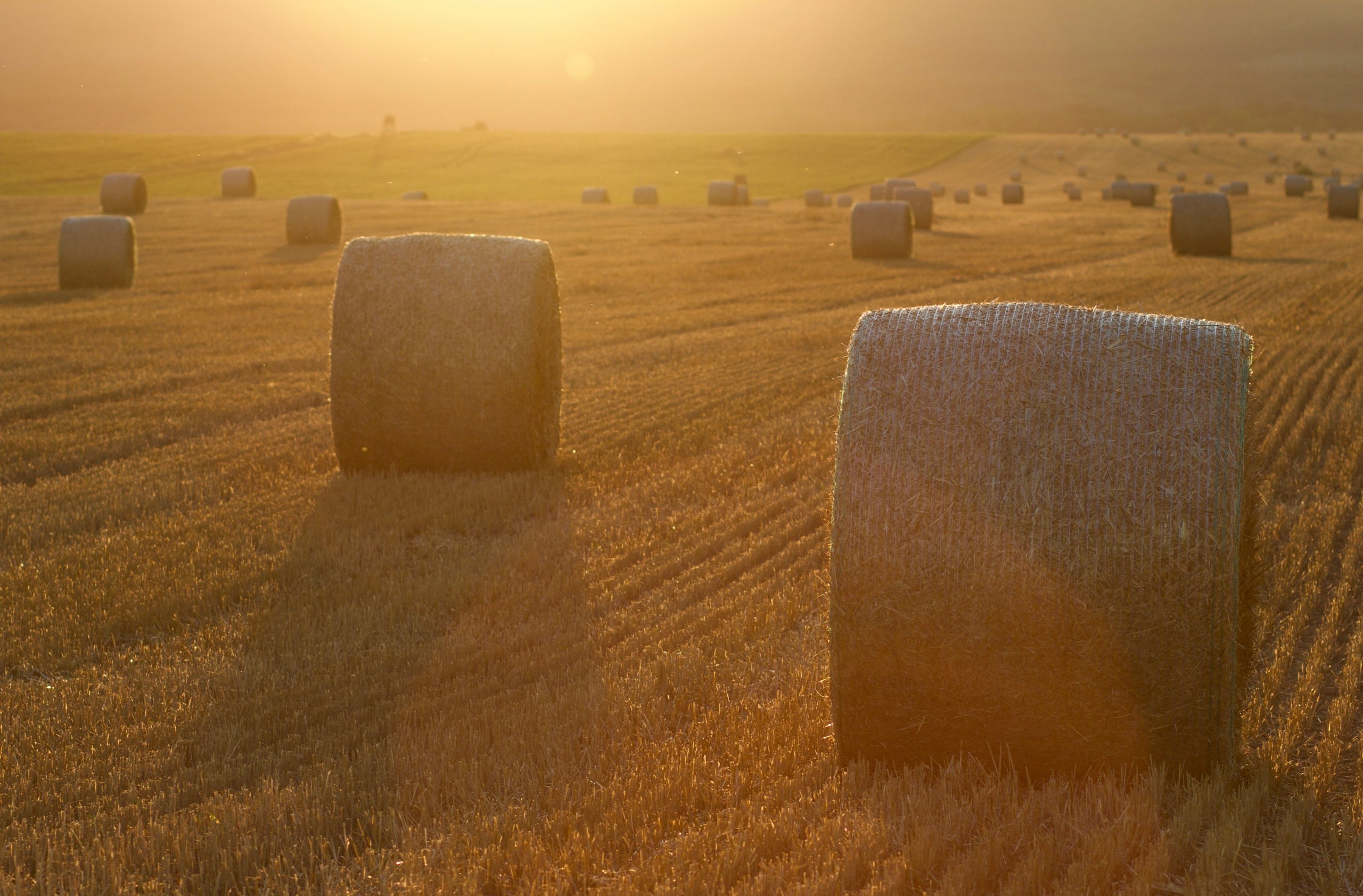
While the last several weeks have seen a slight uptick in rain, Pontiac farmers once again find themselves in a drought-filled year where harvesting multiple cuts of hay is an . . .
ever-present challenge.
Scott Judd is the representative for the Pontiac in the provincial farming union, also known as the UPA, and he said that the distribution of rain throughout the region has been oddly sporadic.
“There’s areas around Clarendon that have no rain, some spots especially down near the river, close to Portage,” Judd said. “The trend of little to no rain along the river goes right from here to Papineauville.”
Judd, co-owner of Gladcrest Farms in Shawville, said that his hay harvest is between 30 to 50 per cent lower than in the previous years.
David Gillespie, a L’Isle aux Allumettes sheep farmer, said he’s confident that with the current weather forecast he’ll be able to have a second cut. But that’s an improvement from the last couple years.
“I tend to try and get three cuts of hay a year,” Gillespie explained. “Well, the first cut the yield was low, it was poor. So the yield then was half of what I normally got, actually a third because I was out so early.”
“But about two weeks ago, we finally got some rain here,” he added. “Then more heat of course, but then more rain and this week it looks good for rain. So I will have a second cut, unlike last year, or the year before”.
Gillespie began his first cut during the second week of June, which he considers early. He said that the June weather conditions had himself and many other farmers concerned.
“Farmers always talk about the weather. That’s normal of course, because they’re totally dependent on the weather, but boy I’ll tell you, the weather patterns and the swings in the weather patterns, especially if you’re talking about climate change, you’re right, it’s changing every day.”
Judd said that it’s important for farmers to contact either himself or the UPA to keep their crop insurance in good standing. He explained that the one weather station that is in Clarendon is not able to account for the levels of rain throughout different pockets of the Pontiac, therefore insurance payments wouldn’t necessarily account for the harvest lost if farmers don’t keep track of their situations and check in with the union.
The lack of rain contributes to a lack of pasture for animals to eat, but the inability to produce three or four cuts of hay means that farmers must go to their diminished hay inventory for food.
“I’ve heard farmers calling me that were in the Shawville area, where there were areas that missed all the rain all together this year, other years it was okay, but this year no rain,” Gillespie explained. “So the cows that have pasture, there’s no pasture because there’s been no rain. So they’re feeding them hay now, and there’s one third of the hay they need for this winter, so they’re in huge trouble.”
Gillespie serves as the upper Pontiac representative for the UPA, and said he gets many calls from worried farmers in the region.
“There’s the real issue of mental health in all this because I’m getting calls from farmers that are stressed right out, it’s really serious,” he said. “We had two suicides in the Pontiac last year in the agricultural community. An owner and a worker, and you don’t want to see more of that.”
When asked about how many farmers reach out to him for help, Judd said he wishes he heard more, as mental health is a topic that many farmers still feel they cannot breach with others.
“Worry comes from unknown,” Judd said of farmers’ stress. “If you know how you’re gonna get out of trouble or you know how you’re gonna survive or how it’s gonna come out in the end, you’re not as anxious. It’s when you don’t know and you’re not sure how it’s gonna turn out, so that’s some of that stress.”
Some farmers may consider culling their animals when the hay yield is this low. Judd said that this is at least a decent option given the recent bounce back of the beef market, but there remains a backlog of animals at the select few federally inspected slaughtering plants that are open.
Gillespie has been telling farmers for the last ten years that the best way to survive this new normal is by buying twice the field. He acknowledged that many farmers don’t have the capital and that there is only so much land to go around, but he said that’s just the way it goes.
“You cannot keep going the way it is now and assume everything is normal, it’s not,” Gillespie said. “You have to adapt unfortunately.”
Meanwhile, Judd said he always tries to maintain an optimistic viewpoint.
“All that being said, if you look over at Pakenham and Smith Falls and they are in a drought that we saw in 2012,” Judd said. “Cracks on the ground two inches wide and four inches deep or deeper. So they’re in a severe, severe drought. So we’re pretty lucky.”