





CALEB NICKERSON
PONTIAC Sept. 23, 2020
Note: This is the third instalment of a series on the crisis in rural health care that attempts to discuss as many facets of the issue as possible. If you haven’t read the first portion, check out page two of our Sept. 2 and Sept. 9 editions. The previous article in the series focused on possible solutions to the issue of doctor attraction and retention. Upon reflection, it didn’t cover the topic adequately this addendum will detail the views of a young doctor that established a practice in the Pontiac in 2018. Let’s call it part 2.5. If you have a story or perspective you want to add to the conversation, send an email to editor@theequity.ca or call 819 647 2204.
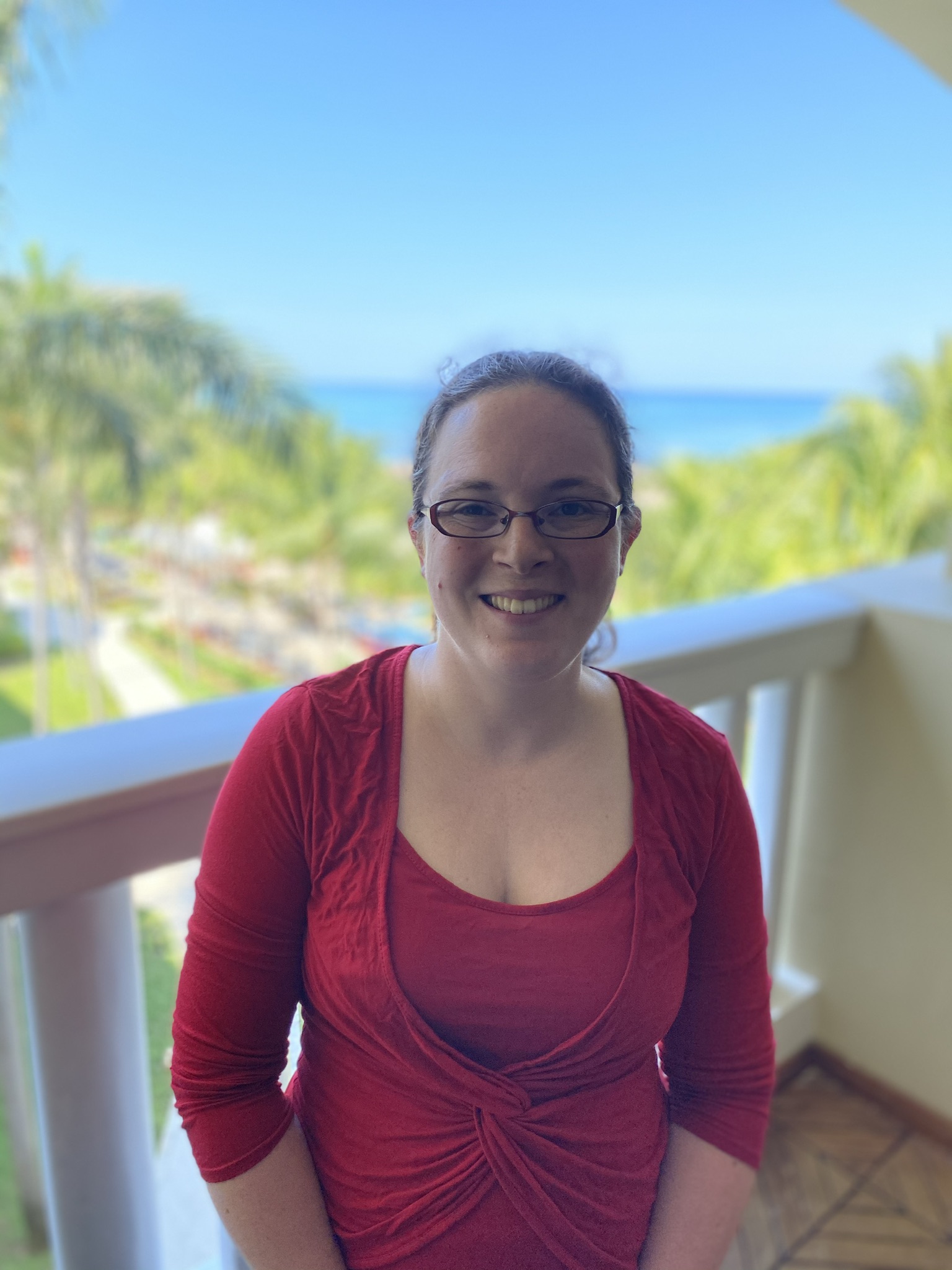
Dr. Sabrina Arès wasn’t like most of the doctors graduating from this province’s medical schools. While many of her peers were conducting their residencies in big city hospitals she chose to venture way up north to Amos, Que., in the Abitibi-Témiscamingue region, for the majority of her two years of training.
“I would say two thirds was done in a rural area and one third done in the city,” she said. “That’s the best way.”
During her two years of training, she learned the ins and outs of rural medicine, acquiring a broad range of skills. She said that . . .
while some training in busier centres is necessary, becoming a rural physician requires extensive training in rural settings like she had.
“The training for family physicians is only two years, so it’s really short,” she explained. “The other thing is, most of the training is done in the city because there [are] more cases, you see different pathologies in the city more than when you’re in the rural area. I think they have only two months of rural area rotations. The people that have their main residency post in the city, it’s almost impossible to ask them to come in the rural areas after, because of the difference of the two.”
“If you would have, for example, the resident does their full residency in the Pontiac and then they do some of their rotations in the city, that would be easier to encourage them to stay in the Pontiac,” she added.
She said that bursaries like the one that she received to go to Amos, would be helpful incentives to attract students as well.
“Students have a lot of debts coming out of school, so that’s one way to help them pay their debts,” she said. “I don’t know how to get the money … it’s the same thing with the nurses, how to get money to attract them.”
After her training, she decided that she wanted to be a little closer to an urban centre while still practicing in a rural setting, and was delighted when she discovered the Pontiac. Having grown up in the Eastern Townships, the setting was a little closer to what she was familiar with. In addition, the bilingual nature of the area was also enticing, since her husband is more comfortable in English than in French.
“We wanted to be closer to the city, but at the same time we wanted to be in the country, so it was the perfect area for us,” she said.
She established her family practice in the area in May 2018, operating out of the CLSC in Otter Lake. She also took on responsibilities with obstetrics and emergency medicine at the Pontiac Community Hospital as well as the CLSC in Fort Coulonge, while her husband found a job at the Manoir Sacre Coeur in Mansfield et Pontefract. The diversity of medicine that she can practice is what attracted her to the role of a rural physician.
“That’s something I liked, because I like so many of the different areas of family practice, I had difficulty just choosing one area,” she explained.
She said that employment for the spouses of doctors that might be considering the area, as well as opportunities for their children are critically important, and she was lucky that her husband found full-time, fulfilling work.
However, not all of the problems with attraction come from external pressures. Arès said that unfortunately some personality issues between more established doctors in the area had likely contributed to some newer doctors leaving the region.
“I don’t know if it’s like this everywhere, but unfortunately there are some conflicts between some of the doctors in the Pontiac,” she said. “I know that it’s one of the reasons why some of the doctors that were there, some of the young doctors that we lost in the last years … I don’t have any problem managing it, I’m easy with anybody, but some people may have difficulties to know where to stand in that kind of conflict … Some of the doctors are really welcoming and really easy to work with, but some of them are, yeah, harder.”
With a large cohort of the local doctors approaching retirement, Arès said that the way that physicians are assigned to various regions is inefficient.
“The way it works, it’s not a perfect way to manage it, as long as there is somebody in, a doctor that is doing his job, they won’t plan for retirements ahead, not necessarily,” she said. “As soon as the doctors leave, they say, ‘Ok, we have a need.’”
On top of that, the doctors that get assigned to the region as a whole might be sent to the urban centres if the ratio of doctors to patients is lower. With a small rural region like the Pontiac merged with the health system of a place like Gatineau, the local priorities are often overridden by other concerns.
“Something that is, I would say, sad, is that since all of the fusion between the city, Gatineau, Hull and us … that’s really a problem,” she said. “It is the city that manages all the new doctors arrivals. If they look at us and say, ‘For the population that you have, you have 20, 22 doctors, the ratio is that much and we need more doctors in the city … according to the number of population and number of doctors, we will favour the doctor in the city.’ So we don’t get doctors. … that’s a problem.”
While she might be an anomaly, as a thirty-something doctor just starting her practice in the Pontiac, Arès was hopeful that changes would be made to bring back the local obstetrics unit and attract doctors who grew up in rural regions like her to places like this.