





We all have a bad day from time to time and wonder what we did wrong In 2019, a few bad days turned into bad weeks, bad . . .
seasons and a year that left many of us without profit, blaming ourselves.
Early spring of 2019 left us looking at more snow around us than we had seen in 50 years. Snow to Ottawa Valley residents is just a temporary inconvenience that we know how to handle but also know how to have fun skiing and snowmobiling on.
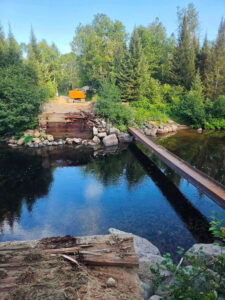
Our first major setback came when that huge accumulation of snow that fell in the valley melted faster than our creeks, lakes and rivers could carry the water away. This sudden flood of water resulted in that beautiful waterfront view turning into flooded cottages and homes.
This flooding cost many residents all the retirement money that they had saved just to repair buildings or vacate and move. For some it will result in a new mortgage that will take most of their career to pay off. For most of the farmers in the water soaked valley it resulted in a three week delay for fields to dry enough to even work and plant parts of the fields.
The three week delay in planting meant that farmers tried to exchange full season varieties for seeds that grew in a shorter season. This left seed dealers having to take back the seed that was no longer suitable and try to find seeds that grew in shorter time. Eventually, seed dealers and seed companies ran out of those short season seeds. Some seed varieties are only good to germinate in one year and returned seed will be almost worthless next year.
Planting later short season varieties results in lower yields in the fall and many farmers contract ahead some of the crop.
Some of those contracts could not be met. Since many farmers could not fill their contracts, grain buyers and elevators were left short of grain to sell.
The slow, wet spring was followed by a much drier than normal summer which resulted in below normal hay crops and very poor pasture re-growth. Lack of summer rains further reduced growth of even the short season crops that were planted three weeks late. This in turn resulted in late maturing crops that had to be harvested later and required more drying than normal.
Political unrest throughout the world, trade negotiations, and international bickering left us with very unpredictable market prices for all agricultural products, beef, dairy and grains.
When the crop year 2019 is finally over, crop sales and crop insurance (if the farmer had it on) will not pay for the inputs of seed, fertilizer, chemicals, fuel, and labour. Many of those suppliers necessary for farmers like fuel, machinery and parts, fertilizer, chemicals, insurance, feed, truckers, etc. will also be facing some very troubled farmers who never had problems paying their bills before.
The year 2019 has resulted in a 400 per cent increase in farm bankruptcies in the US, a spike in mental stress and suicides that have our medical, and social services stretched to the breaking point.
Psychologists tell us that we should not worry about what we have no control over, but farmers do.
If we can afford a space program and fire off million dollar rockets why are our farmers going broke?
You are important to the future of your family, your neighbour, your community and the future of our world. Show your affection to those you need and love. Tomorrow may be too late.
There are several training days planned to educate us on reducing stress and how to recognize the signs of someone who is deeply troubled.
The first one day of training will be on Friday, Jan. 24 at The Little Red Wagon Winery. The next one will be in Wakefield on Friday, Jan. 31. There will also be a two day course March 12 & 13 at The Little Red Wagon Winery, Shawville.
All courses are free and open to anyone interested in watching for and helping someone in distress. More training courses will be provided if interest is there.
Chris Judd is a farmer in Clarendon on land that
has been in his family for generations.
gladcrest@gmail.com