


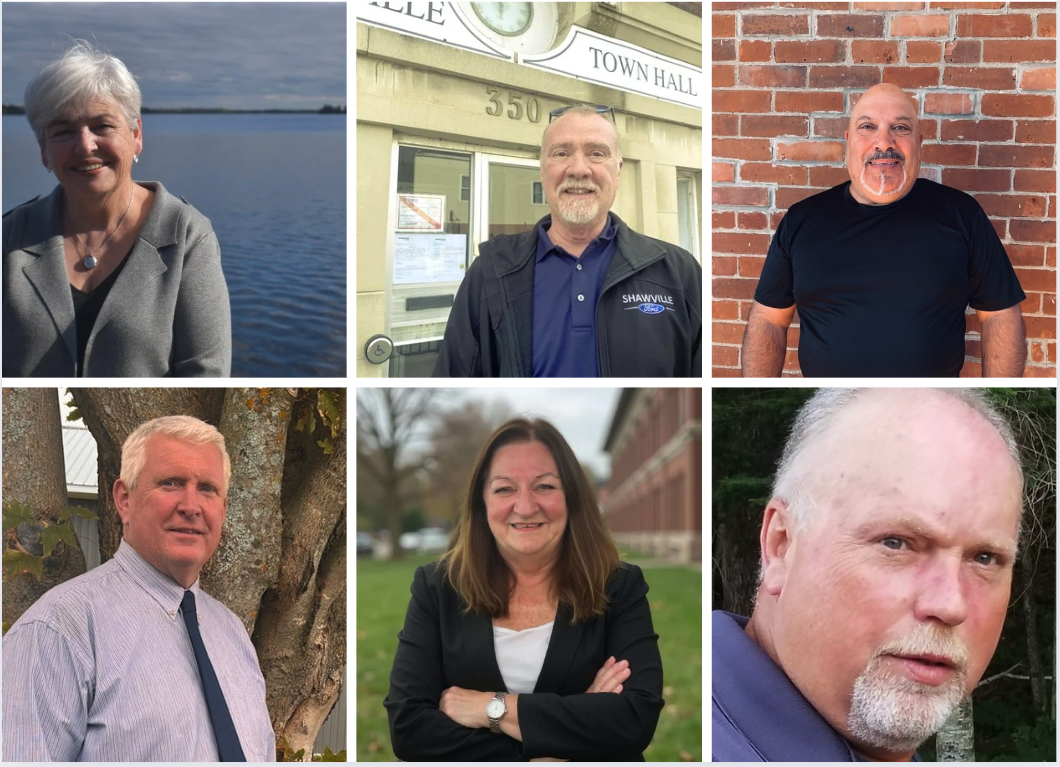



In the coming weeks, THE EQUITY will be publishing interviews with candidates in all 13 competitive mayoral races as well as the warden candidates.
Shawville
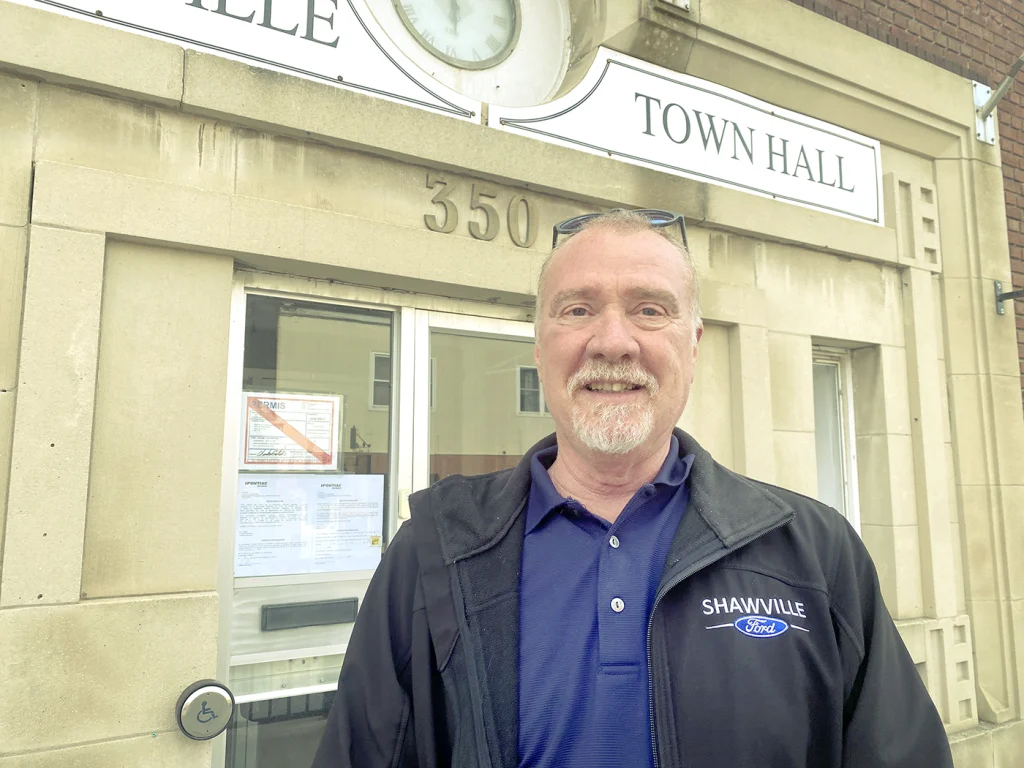
Bill McCleary was born and raised in Shawville. He was elected mayor in 2021, and served his first term as councillor from 2013-2017. He lost his bid for mayor in 2017, but was re-elected to council in a 2018 by-election.
Before entering the world of politics, he operated Bean’s Service Station in Shawville for over a decade, worked at the Smurfit-Stone pulp mill in Litchfield for almost three decades until it closed in 2008, and worked as mailman for Canada Post until he retired in 2018.
“I feel I can accomplish some files that aren’t completed yet and I would like another four years to do that,” McCleary said, explaining why he decided to run for a second term.
“I’m a land owner. I have skin in the game. I know the needs, I know the wants. I’m not coming in having to learn everything about the municipality.”
When asked what he believes to be the town’s greatest challenges in this moment, McCleary said finding a sustainable path forward for the Shawville arena and determining a repair strategy for the town’s water pipes are both significant needs.
“Every small town is struggling with infrastructure, lack of finances, etc., the arena being a prime example. Shawville has obviously paid the deficit on that for many years, and it’s getting to the point now where it’s no longer affordable,” he said.
“It’s very complicated. The first thing we have to do is bring together a group that will manage it and share in the deficit. Each municipality would have a representative on this committee that decides how money is spent, and deficits are funded. [ . . . ] You hit a brick wall when you try to build an arena because there’s just not enough money. But we have to attempt it again because what we have is 60 years old and it’s not dependable and very expensive, so something has to be done.”
He also said the town’s underground infrastructure – its water pipes – will also soon be due for replacement.
“It’s piping that was put in the ‘60s, and it’s metal, and metal rusts over time. Now and again you have a pipe that blows, you have to dig it up and put a patch on it, but at some point in time we’ll have to pick a section where we’ll have to change the main line [ . . . ] We just have to pick which one is more urgent,” he said.
Of his accomplishments during his tenure at the municipality to date, he said he wouldn’t take credit for anything, except perhaps for moving the office to using direct deposit for paying bills while he was councillor.
“I can come up with ideas, and they can say yes they agree with that, or they don’t,” he said.
When asked what initiatives he believes the MRC’s council of mayors should be focusing on to improve life for residents across the county, he said he does not believe the provincial government’s current model of funding economic development through FRR grants is effective in bringing jobs to the region.
“The system doesn’t really work. I think the provincial government is happy that they throw a few million dollars at us, and you give out $100,000 here and there, but it’s not creating employment like it should,” he said. “I’d like to see [the MRC] work in collaboration with the provincial government to bring bigger projects here, but it doesn’t seem to be the way the system is working.”
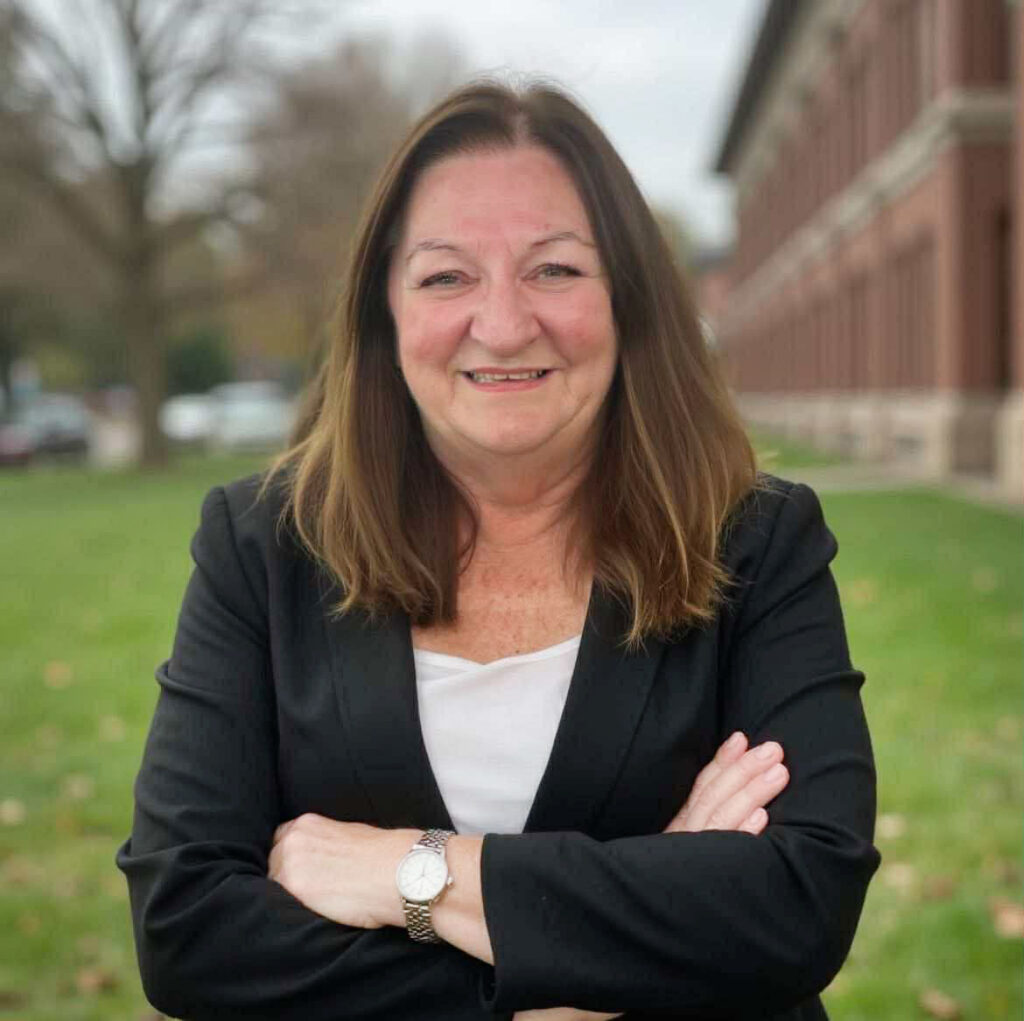
Linda Davis is from Ottawa but spent a lot of time visiting her grandparents in the Pontiac throughout her life. She bought an old farmhouse in Clarendon in 2010, and moved to an apartment in Shawville five years ago.
Davis got her first taste of municipal politics in 1994, when she was elected as the councillor for Kitchissippi ward of the Regional Municipality of Ottawa-Carleton. She held this seat for two terms until 2001.
She was also a federal public servant for 16 years, gaining experience as a federal contract negotiator and as a union leader with the Public Service Alliance of Canada.
“I learned my way to organize communities area by area, like floor by floor of the building, or here, street by street. So that really helped in the incinerator fight, because I knew the education component was really important.”
Davis was heavily involved in organizing opposition to the energy-from-waste incinerator proposed by MRC Pontiac Warden Jane Toller, this after she ran in the county’s first race for warden in 2017. She decided to run just after her husband passed away.
“I thought, jeepers, I’ve got so much time on my hands. I went in and put my name in. It probably wasn’t a very solid decision at the time, but I just knew I had a lot of energy,” she said.
“Now people are swarming me to say, ‘run,’ but the fact of it is that I’m committed to Shawville. It’s my home. [ . . . ] It’s been my observation that we could benefit from more experienced leadership,” she said.
“For example, across from the United Church, [the developer] tore up the sidewalks. Did [the municipality] not know that if a developer tears up your sidewalk, it’s at their cost for them to restore it to the condition that they found it? Well, they didn’t know. And I mean, this is just a lack of training.”
She said if elected mayor, she would push for more transparent government and open plenaries at both the municipal and MRC level. She pointed to what she believed to be Shawville’s delayed release of the arena engineering study it received this summer as an example of the lack of transparency she sees.
“All the stakeholders have to be immediately informed of what’s going on. It’s got to be open and transparent.”
She said she’s frequently gotten the criticism that she is trying to bring a big city approach to Shawville.
“But Shawville has big city problems now,” she said, pointing to the town’s sudden boom in housing development over the past year as an example.
She said her priorities in her first year would be helping the municipality tighten up its budget, and ensuring the municipality has proper guardrails in place to ensure housing development happens in a way that doesn’t put a strain on other resources that may not yet be able to support more residents.
She is also passionate about helping newcomers feel welcome here, and said part of this project involves restoring respect to council which she feels she has not been granted.
“If you’re chairing a meeting, you should be very respectful. Even if it’s a divergent opinion. You allow people to speak.”
She said that at MRC level, she would push for a community policing model that looks at preventative rather than punitive policing, and would encourage a focus on growing a full range of housing options across the county.
“There are people in our community that are really hurting, and we need to make sure . . . are we really meeting the needs?”
Bristol
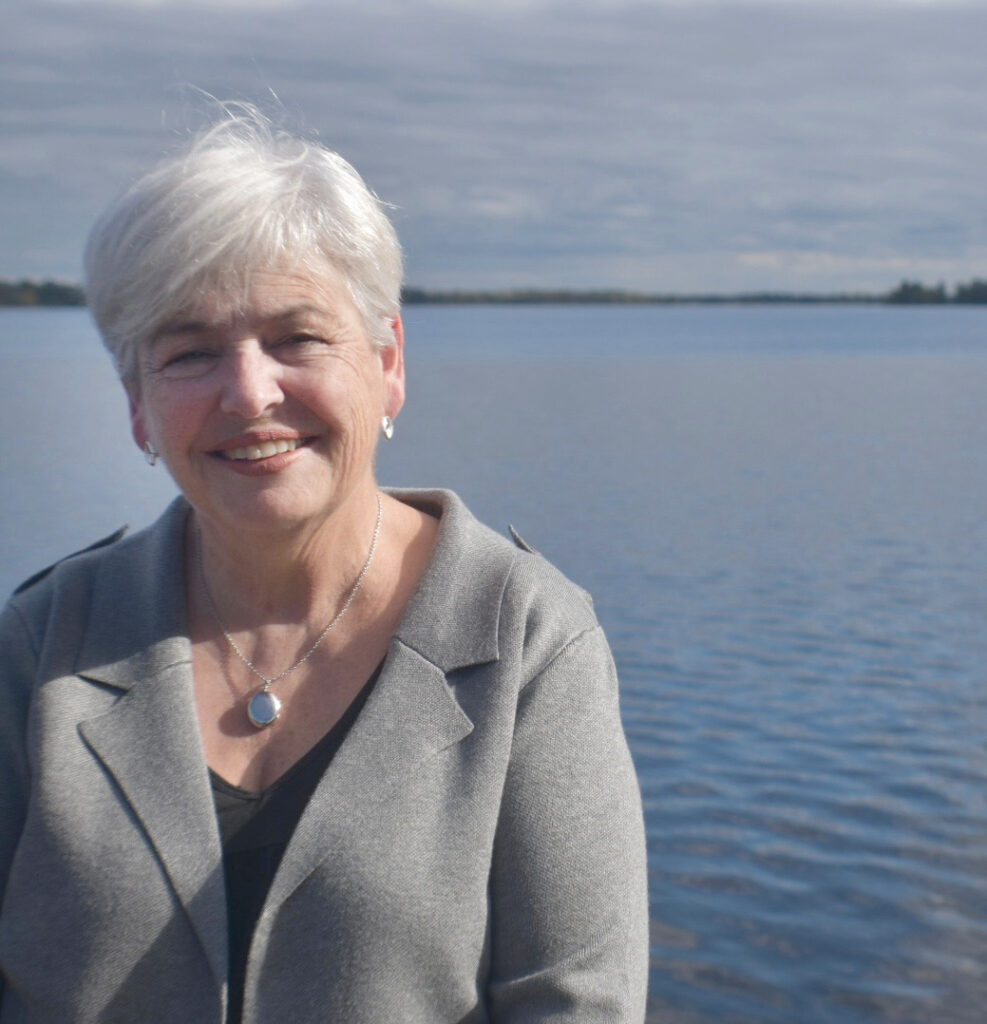
Valerie Twolan-Graham has been a councillor for the Municipality of Bristol for four years, representing the Norway Bay ward.
She grew up in Bristol Mines, attended school in Bristol and Shawville, and then moved to the city to pursue higher education. She completed her undergraduate degree in English literature and theatre, and her master’s in education before becoming a teacher with the Ottawa Carleton District School Board for 30 years, all while keeping a foot in Bristol.
In 1982 she and her husband built a four-season home in the municipality, that they used on weekends and holidays over the years, and she moved back to the municipality permanently almost six years ago.
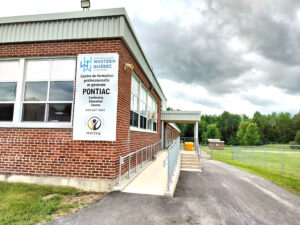
Since moving back to the area, she has become involved in numerous community initiatives, including the formation of Bristol’s Healthy Living Committee, and as vice-president of the Pontiac Community Players theatre group. She has continued teaching part-time at the Pontiac Continuing Education Centre in Shawville.
Twolan-Graham said she is running for mayor after four years as councillor because she believes she’s served her community well and has the time and energy to give to some of Bristol’s most pressing needs right now.
“I have been a council liaison with the 14-person pier committee since its formation and am extremely proud of the work we have done on this initiative, including the submission and receipt of two FRR grants,” she said.
“This committee work has allowed me to fully understand the power of a community led initiative and the tireless work of volunteers. It has been a remarkable experience and has allowed me to demonstrate my leadership at a municipal level.”
Twolan-Graham said she believes she would make a good mayor because she is committed to frequent and transparent communication with Bristol residents.
“I communicate decisions that Bristol has made well to the community. I try to engage my residents so that they have input. I believe that I have a very firm understanding of the residents’ concerns.”
And she wants to do more of this.
“I do believe that things should be communicated in a better way and also be more transparent [ . . . ] so that people are looped into the decision making, and that they know that their ideas are welcomed at that table. And more transparency, because we certainly have to justify the rising cost of services.”
Twolan-Graham said aside from improving communication and working to keep taxes low, she is also concerned about how to support Bristol’s residents in aging well in their community.
She said in her role at the MRC Pontiac council of mayors table, she would welcome more discussion, open debate and collaboration between municipalities.
“We need to foster more opportunities for municipalities to work together. For example, in the areas of tourism where we can showcase our region. I did not want to suggest in any way amalgamation of municipalities,” she said.
“We are one of the poorest MRCs. And when our council of mayors speaks about economic development and industry, how do we foster those opportunities so that we have a population that doesn’t age out here? [ . . . ] I think that [having a] vision of where the Pontiac should be in 10 years, and how we get there, would be important to have on the table. So that’s what drives a smaller vision within a municipality. Sometimes it just feels to me that we just really work in isolation.”
She said her campaign will ramp up Oct. 6, and she plans to be as active and as visible as she can.
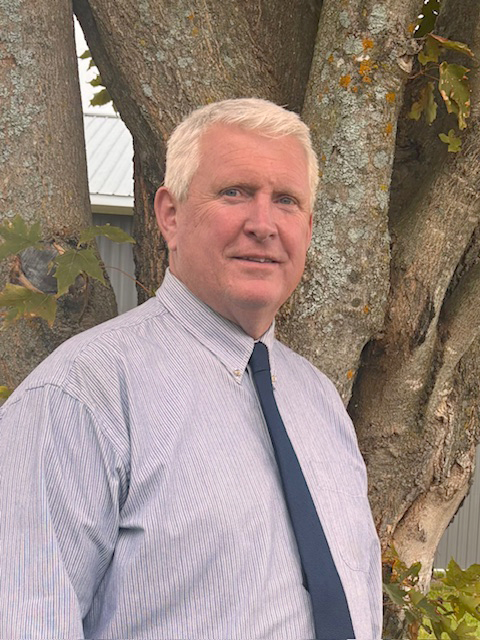
Brent Orr has been mayor of Bristol since 2009. In the 2021 election he secured a fourth consecutive term, winning the position by acclamation.
Orr was born and raised in Bristol. He spent 20 years commuting to the city where he worked as a mechanic, spending evenings and weekends working on his family farm in the Pontiac, before coming back to work as a foreman and building inspector for Bristol when Jack Graham was mayor. He then took a job as a mechanic at Bristol Marine, and to this day still works as a mechanic and runs his own beef farm.
He said he’s running for a fourth term to finish some projects the municipality has on the go.
“We’ve started the repairs on the pier, we’re just finishing the expansion to the firehall, we have some roads we want to rebuild, so we want to see them through to their end so that’s more or less why I want to continue being mayor,” Orr said.
“My pitch is just a common sense approach and to be fiscally responsible with [voters’] money, to spend wisely.”
He said pressing challenges for the municipality right now are deciding how to proceed with repairing the Norway Bay pier, and figuring out a system to ensure all the municipality’s septic systems are pumped according to provincial standards, particularly those along the Ottawa River.
In terms of the pier, he said the latest engineering report received by the municipality this spring indicated the pier’s condition was not quite as dire as was previously believed, allowing it to be reopened for the summer after some basic repairs, while the municipality works to find a long-term solution.
“We have four to five years to make major repairs, so right now we’re trying to decide on options. We’re looking for pros and cons and pricing, so that’s where we’re at right now before we make the final decision,” Orr said. “Myself, I want to do it through our regular budgeting and grants. I don’t want to borrow money to do this through a borrowing bylaw.”
He said if elected, his priority for the first year would be to pick a solution for the pier rehabilitation, and to continue to work on improving road infrastructure.
“The price of road construction, asphalt, anything like that has increased drastically, and costs a lot. We have a lot of aging paved roads. To rehabilitate those with culverts and such is a major undertaking.”
When asked what initiatives he believes the MRC’s council of mayors should prioritize to improve life for residents across the county, he said he would like to see a focus on what he believes are the necessities.
“Cell coverage, and retaining the hospital and healthcare workers is a big one. Hydro is another one too, with all the outages. It’s slated for upgrades but it’s a long piece out, so that’s another thing we’re pushing for, to make it happen sooner than later,” he said. “The power is to send resolutions to different levels of government.”
Orr said he will be making an effort to be at more public functions over the coming month, to meet with Bristol’s residents.
“[Campaigning] gets us out of our comfort zone and puts us out there so we can hear more, rather than just [the concerns] at the council meetings,” he said.
Clarendon
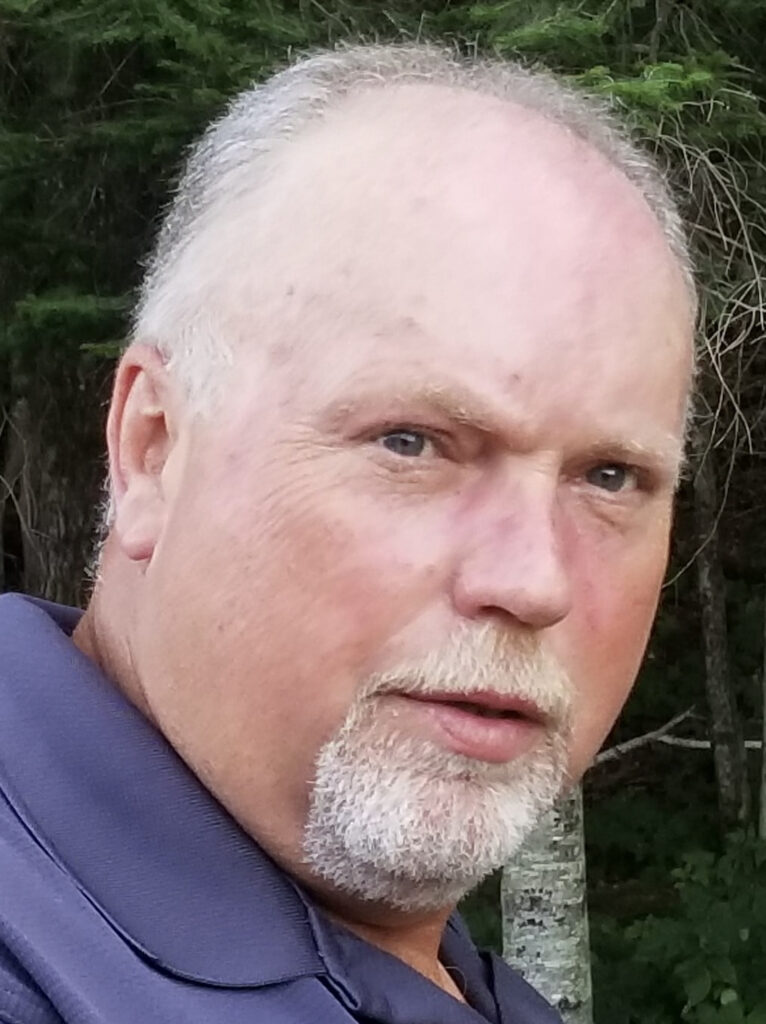
Edward Walsh has been Clarendon mayor for four years, prior to which he served as councillor for one term.
He was born and raised in Clarendon and has lived there for 60 years. While he is the fourth generation of his family to live in the Pontiac, he is the first to have not continued with farming, instead working a 37-year career in the city with Canadian Security Intelligence Service.
He said he ran for council in 2017 because after several decades working for the federal government, he came to realize Pontiac was underrepresented.
“The Pontiac is a beautiful region but we’re underfunded and undersupported from different provincial and federal levels. I thought I’d try to improve what we had in our municipality and the MRC Pontiac as a whole.”
Walsh said he thinks he makes a good mayor because he is a “very locally oriented person.”
“I’ve always been heavily involved with volunteering, and helping out the people. I’ve been on the local Lions Club for the last 18 years, helping with the seniors and the less fortunate,” he said.
“Being able to talk to the public and stuff like that, it does matter. In my four year term, I’ve never not replied to a phone call or email. I’ve always had an open-door policy if people have concerns.”
Walsh said he is running for a second term as mayor because there are projects he’s started with council that he would like to see through.
One such project, he said, is the grant he helped Clarendon secure which was then forwarded to the Shawville RA to build a second ball field.
“A lot of our kids can’t even play ball there because they’re over-scheduled and are leaving to go somewhere else. Hopefully within the next year they’ll have the ribbon cutting.”
He’s also proud to have kept the municipality’s mill rate low, this year at 54 cents, and to have upgraded some of the municipality’s machinery, making it possible for it to do more of its own maintenance work, rather than contracting it out.
In terms of challenges he sees at the municipal level, he pointed to property evaluations.
“Like everything else, everybody is hurting nowadays. We never want to see evaluations increase again and next year will be our third year in the roll, so I’ll definitely go to bat to try to maintain what we currently have. Some of that is outside our hands, but we can help people out with the mill rate.”
He also said because a large part of the municipality is zoned as agricultural, it is limited in how it can develop more housing on its territory.
He said in his role at the MRC, he was a big advocate for the solar energy project it was working on.
“We have the land, and apparently if you listen to them, we have the best amount of sun per capita, per territory within the whole province of Quebec. I think moving forward, if that ever came to fruition it would be of value to the whole MRC Pontiac.”
Walsh said both of the sites renewable energy developer Innergex proposed to Hydro-Québec for solar farms were in the Municipality of Clarendon – one a private site, and one owned by the municipality.
He also noted the revitalization of the forestry sector and the development of housing as other issues top of mind for him when he’s sitting at the council of mayors table.
“It’s a beautiful region, it’s just underdeveloped. At the end of the day how do you get those people here?”
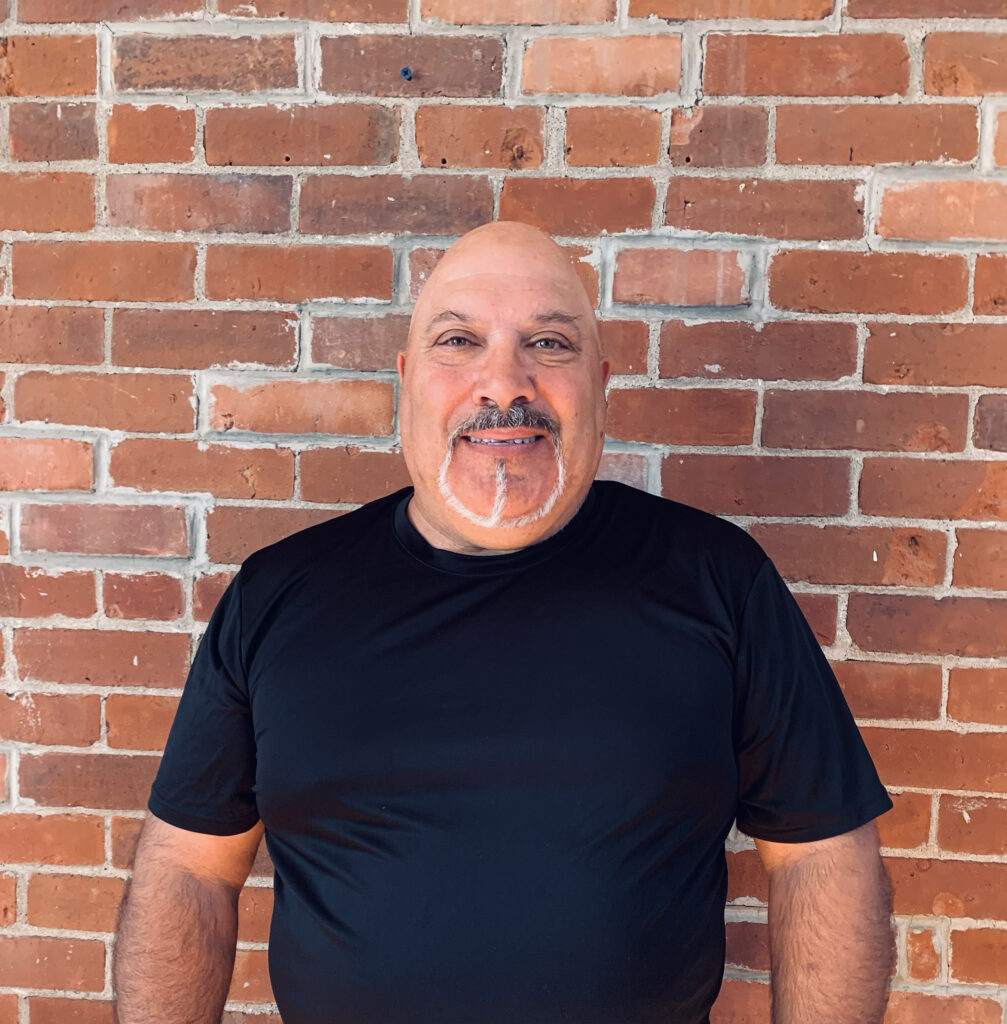
Michael Hodgins has lived in the same house on Highway 148 near the flashing light his entire life, with the exception of 12 years during which he moved to the farmhouse on the same property. He’s worked as a mechanic for most of his life, both through his business in Shawville, which he ran for 18 years, and through his current job in the city.
Hodgins said he used to be very involved with various community groups, including a local Cubs club, the Kinsmen Club, as founding member of the Pontiac Chamber of Commerce, and as ball coach and eventually president of the Shawville RA.
“It’s not always about my kids. It’s about other kids, or about grandkids, or about the kids of the future in the Pontiac,” he said. “And that’s one thing I find a lot of people don’t do.”
He said since taking a job in the city when his own business closed, he has lost touch with the Pontiac.
“My involvement with community groups and services has dissipated to nothing, and I really feel disconnected to the people of the Pontiac,” he said.
“I want to come back to the Pontiac and be part of the Pontiac in the development of it, or the well being of its citizens, and that is something I’ve been passionate about for all my life.”
Hodgins said originally he was thinking about running as a councillor for Clarendon.
“But I think representation at the MRC level, as a mayor, I can represent better for the whole of the people of the Pontiac, not just the constituents of Clarendon. But I want to look after my constituents. Don’t get me wrong. That has to be first and foremost.”
Hodgins said one pressing concern for him at the municipal level is increasing safety at the intersection of Hwy. 148 and Rte. 303, at the flashing lights. He said even though the government put in a flashing light years ago, he doesn’t feel the intersection has become any safer. He would like to see a full stop light installed there. He said if elected he would also work to build more connectivity between residents.
“I know we’re a rural community, but I think networking and events, maybe more meet and greets, social events that involve our citizens.”
He said at the county level, he would like to see greater networking and collaboration between municipalities.
“We need to look at the broader region of the MRC and the Pontiac to work as a team, to be able to make sure that we’re heard at the provincial and federal levels, and I think we’re it’s always been the case in the Pontiac. I feel left out on the provincial side. I feel left out on the federal side [ . . . ] We’ve lost industry, we’ve lost jobs, we still have our sense of community, but with the wind’s been taken out of our sails. We’re on life support. Yes, there’s great ideas and there’s great things that we could do, but how do we get there?”
Hodgins said while has never held a seat at a council table, his volunteer work in the community has allowed him to work closely with councils, and he’s sat on many boards of community organizations.
“I’m a people person. Number one and foremost. I’m not criticizing the present mayor. I think he’s done a decent job up to this point. I just think that I could add some light to thinking outside the box. [ . . . ] My heart’s in it, and I think I can do a really good job.”
Au cours des prochaines semaines, THE EQUITY publiera des entrevues avec les candidats des 13 courses à la mairie ainsi que les candidats au poste de préfet.
Shawville
Bill McCleary est né et a grandi à Shawville. Il a été élu maire en 2021 et a effectué son premier mandat comme conseiller de 2013 à 2017. Sa candidature au poste de maire a échoué en 2017, mais il a été réélu au conseil lors d’une élection partielle en 2018.
Avant d’entrer dans le monde de la politique, il a géré la station-service Bean’s à Shawville pendant plus d’une décennie, a travaillé à l’usine de pâte Smurfit-Stone à Litchfield pendant près de trois décennies jusqu’à sa fermeture en 2008, et a travaillé comme facteur pour Postes Canada jusqu’à sa retraite en 2018.
« Je pense pouvoir mener à bien certains dossiers qui ne sont pas encore terminés et j’aimerais avoir quatre ans de plus pour le faire », a déclaré M. McCleary, expliquant pourquoi il a décidé de se présenter pour un second mandat.
« Je suis propriétaire foncier. J’ai un intérêt direct dans la situation. Je connais les besoins, je connais les désirs. Je n’arrive pas en devant tout apprendre sur la municipalité. »
Lorsqu’on lui a demandé ce qu’il considérait comme les plus grands défis de la ville à l’heure actuelle, M. McCleary a répondu que trouver une voie durable pour l’aréna de Shawville et déterminer une stratégie de réparation pour les conduites d’eau de la ville sont deux besoins importants.
« Chaque petite ville est aux prises avec des problèmes d’infrastructures, un manque de financement, etc., l’aréna en étant un excellent exemple. Shawville a évidemment comblé le déficit de celle-ci pendant de nombreuses années, et la situation en est arrivée au point où ce n’est plus abordable », a-t-il dit.
« C’est très compliqué. La première chose à faire est de rassembler un groupe qui la gérera et partagera le déficit. Chaque municipalité aurait un représentant au sein de ce comité qui décidera comment l’argent est dépensé et comment les déficits sont financés. [ . . . ] On se heurte à un mur quand on essaie de construire une aréna parce qu’il n’y a tout simplement pas assez d’argent. Mais nous devons tenter de nouveau, car ce que nous avons a 60 ans, ce n’est pas fiable et très coûteux, il faut donc faire quelque chose. »
Il a également déclaré que les infrastructures souterraines de la ville – ses conduites d’eau – devront bientôt être remplacées.
« Ce sont des tuyaux qui ont été posés dans les années 60, et c’est du métal, et le métal rouille avec le temps. De temps en temps, un tuyau éclate, il faut le déterrer et y poser un colmatage, mais à un moment donné, nous devrons choisir une section où nous devrons changer la conduite principale [ . . . ] Nous devons simplement choisir quelle est la plus urgente », a-t-il dit.
Parmi ses réalisations au sein de la municipalité à ce jour, il a dit qu’il ne s’attribuerait le mérite de rien, sauf peut-être d’avoir fait passer le bureau au dépôt direct pour le paiement des factures alors qu’il était conseiller.
« Je peux proposer des idées, et ils peuvent dire qu’ils sont d’accord avec ça, ou non », a-t-il dit.
Lorsqu’on lui a demandé quelles initiatives il croyait que le conseil des maires de la MRC devrait privilégier pour améliorer la vie des résidents de l’ensemble du comté, il a répondu qu’il ne croyait pas que le modèle actuel de financement du développement économique du gouvernement provincial par le biais des subventions du FRR soit efficace pour attirer des emplois dans la région.
« Le système ne fonctionne pas vraiment. Je pense que le gouvernement provincial est heureux de nous donner quelques millions de dollars, et vous distribuez 100 000 $ ici et là, mais cela ne crée pas d’emplois comme il le devrait », a-t-il dit. « J’aimerais que [la MRC] travaille en collaboration avec le gouvernement provincial pour attirer de plus grands projets ici, mais ce n’est pas la façon dont le système semble fonctionner. »
Linda Davis est d’Ottawa, mais a passé beaucoup de temps à visiter ses grands-parents dans le Pontiac tout au long de sa vie. Elle a acheté une vieille ferme à Clarendon en 2010 et a déménagé dans un appartement à Shawville il y a cinq ans.
Mme Davis a eu son premier aperçu de la politique municipale en 1994, lorsqu’elle a été élue conseillère pour le quartier de Kitchissippi de la Municipalité régionale d’Ottawa-Carleton. Elle a occupé ce siège pendant deux mandats jusqu’en 2001.
Elle a également été fonctionnaire fédérale pendant 16 ans, acquérant de l’expérience en tant que négociatrice de contrats fédéraux et en tant que dirigeante syndicale de l’Alliance de la Fonction publique du Canada.
« J’ai appris à organiser les communautés quartier par quartier, comme étage par étage du bâtiment, ou ici, rue par rue. Cela a donc vraiment aidé dans la lutte contre l’incinérateur, parce que je savais que la composante éducation était très importante. »
Mme Davis a été fortement impliquée dans l’organisation de l’opposition à l’incinérateur de valorisation énergétique des déchets proposé par la préfète de la MRC de Pontiac, Jane Toller, et ce, après avoir participé à la première course à la préfecture du comté en 2017. Elle a décidé de se présenter juste après le décès de son mari.
« J’ai pensé, mince, j’ai tellement de temps libre. J’y suis allée et j’ai posé ma candidature. Ce n’était probablement pas une décision très solide à l’époque, mais je savais que j’avais beaucoup d’énergie », a-t-elle dit.
« Maintenant, les gens se pressent pour me dire « présentez-vous », mais le fait est que je suis engagée envers Shawville. C’est ma maison. [ . . . ] J’ai observé que nous pourrions bénéficier d’un leadership plus expérimenté », a-t-elle dit.
« Par exemple, en face de l’Église Unie, [le promoteur] a arraché les trottoirs. Est-ce que [la municipalité] ne savait pas que si un promoteur arrache votre trottoir, c’est à ses frais de le restaurer dans l’état où il l’a trouvé ? Eh bien, ils ne le savaient pas. Et je veux dire, ce n’est qu’un manque de formation. »
Elle a déclaré que si elle était élue mairesse, elle ferait pression pour une gouvernance plus transparente et des assemblées plénières ouvertes au niveau municipal et de la MRC. Elle a cité ce qu’elle considérait comme la publication tardive par Shawville de l’étude d’ingénierie de l’aréna qu’elle a reçue cet été comme un exemple du manque de transparence qu’elle observe.
« Toutes les parties prenantes doivent être immédiatement informées de ce qui se passe. Cela doit être ouvert et transparent. »
Elle a dit qu’on lui reprochait souvent d’essayer d’apporter une approche de grande ville à Shawville.
« Mais Shawville a maintenant des problèmes de grande ville », a-t-elle dit, citant l’essor soudain du développement immobilier de la ville au cours de la dernière année comme exemple.
Elle a déclaré que ses priorités au cours de sa première année seraient d’aider la municipalité à resserrer son budget et de s’assurer que la municipalité dispose de garde-fous appropriés pour garantir que le développement du logement se fasse d’une manière qui ne mette pas à rude épreuve d’autres ressources qui pourraient ne pas encore être en mesure de soutenir davantage de résidents.
Elle est également passionnée par l’idée d’aider les nouveaux arrivants à se sentir bienvenus ici et a déclaré qu’une partie de ce projet implique de rétablir le respect au sein du conseil, ce qu’elle estime ne pas avoir obtenu.
« Si vous présidez une réunion, vous devriez être très respectueux. Même s’il s’agit d’une opinion divergente. Vous permettez aux gens de parler. »
Elle a déclaré qu’au niveau de la MRC, elle ferait pression pour un modèle de police communautaire axé sur la prévention plutôt que sur la répression, et encouragerait l’accent sur le développement d’une gamme complète d’options de logement dans tout le comté.
« Il y a des gens dans notre communauté qui souffrent vraiment, et nous devons nous assurer… répondons-nous vraiment aux besoins ? »
Bristol
Valerie Twolan-Graham a été conseillère municipale pour la Municipalité de Bristol pendant quatre ans, représentant le quartier de Norway Bay.
Elle a grandi à Bristol Mines, a fréquenté l’école à Bristol et Shawville, puis a déménagé en ville pour poursuivre des études supérieures. Elle a obtenu son baccalauréat en littérature anglaise et en théâtre, et sa maîtrise en éducation avant de devenir enseignante au conseil scolaire du district d’Ottawa-Carleton pendant 30 ans, tout en gardant un pied à Bristol.
En 1982, elle et son mari ont construit une maison quatre saisons dans la municipalité, qu’ils utilisaient les week-ends et les jours fériés au fil des ans, et elle est revenue vivre en permanence dans la municipalité il y a près de six ans.
Depuis son retour dans la région, elle s’est impliquée dans de nombreuses initiatives communautaires, y compris la formation du Comité Bristol Vie Saine, et en tant que vice-présidente de la troupe de théâtre Pontiac Community Players. Elle a continué d’enseigner à temps partiel au Centre d’éducation permanente du Pontiac à Shawville.
Mme Twolan-Graham a déclaré qu’elle se présente à la mairie après quatre ans en tant que conseillère parce qu’elle estime avoir bien servi sa communauté et qu’elle a le temps et l’énergie nécessaires pour répondre aux besoins les plus urgents de Bristol à l’heure actuelle.
« J’ai été agente de liaison du conseil avec le comité de la jetée de 14 personnes depuis sa formation et je suis extrêmement fière du travail que nous avons accompli sur cette initiative, y compris la soumission et la réception de deux subventions du FRR », a-t-elle dit.
« Ce travail de comité m’a permis de comprendre pleinement le pouvoir d’une initiative dirigée par la communauté et le travail inlassable des bénévoles. Ce fut une expérience remarquable et cela m’a permis de démontrer mon leadership au niveau municipal. »
Mme Twolan-Graham a déclaré qu’elle pense qu’elle ferait une bonne mairesse parce qu’elle est engagée à une communication fréquente et transparente avec les résidents de Bristol.
« Je communique bien les décisions prises par Bristol à la communauté. J’essaie d’engager mes résidents afin qu’ils puissent participer. Je crois que j’ai une très bonne compréhension des préoccupations des résidents. »
Et elle veut en faire plus.
« Je crois que les choses devraient être communiquées d’une meilleure façon et aussi être plus transparentes [ . . . ] afin que les gens soient impliquées dans le processus décisionnel, et qu’ils sachent que leurs idées sont les bienvenues à cette table. Et plus de transparence, car nous devons certainement justifier l’augmentation du coût des services. »
Mme Twolan-Graham a déclaré qu’en plus d’améliorer la communication et de travailler à maintenir les taxes à un faible niveau, elle se préoccupe également de la manière de soutenir les résidents de Bristol afin qu’ils vieillissent bien dans leur communauté.
Elle a déclaré que dans son rôle à la table du conseil des maires de la MRC de Pontiac, elle accueillerait davantage de discussions, de débats ouverts et de collaboration entre les municipalités.
« Nous devons favoriser davantage d’occasions pour les municipalités de travailler ensemble. Par exemple, dans les domaines du tourisme où nous pouvons mettre en valeur notre région. Je ne voulais en aucun cas suggérer une fusion des municipalités », a-t-elle dit.
« Nous sommes l’une des MRC les plus pauvres. Et quand notre conseil des maires parle de développement économique et industriel, comment favorisons-nous ces occasions afin d’avoir une population qui ne vieillit pas sur place ? [ . . . ] Je pense qu’avoir une vision de ce que le Pontiac devrait être dans 10 ans, et comment y parvenir, serait important à mettre sur la table. C’est ce qui motive une vision plus restreinte au sein d’une municipalité. Parfois, j’ai juste l’impression que nous travaillons vraiment en vase clos. »
Elle a déclaré que sa campagne s’intensifiera le 6 octobre et qu’elle prévoit d’être aussi active et visible que possible.
Brent Orr est maire de Bristol depuis 2009. Lors de l’élection de 2021, il a obtenu un quatrième mandat consécutif, remportant le poste par acclamation.
M. Orr est né et a grandi à Bristol. Il a passé 20 ans à faire la navette vers la ville où il travaillait comme mécanicien, passant les soirées et les week-ends à travailler à sa ferme familiale dans le Pontiac, avant de revenir travailler comme contremaître et inspecteur en bâtiment pour Bristol lorsque Jack Graham était maire. Il a ensuite pris un emploi de mécanicien chez Bristol Marine et, à ce jour, il travaille toujours comme mécanicien et exploite sa propre ferme bovine.
Il a déclaré qu’il se présentait pour un quatrième mandat afin de terminer certains projets en cours à la municipalité.
« Nous avons commencé les réparations de la jetée, nous terminons l’agrandissement de la caserne de pompiers, nous avons des routes que nous voulons reconstruire, donc nous voulons les mener à terme, c’est plus ou moins pourquoi je veux continuer à être maire », a déclaré M. Orr.
« Mon argument est simplement une approche de bon sens et être financièrement responsable avec l’argent [des électeurs], de dépenser judicieusement. »
Il a déclaré que les défis pressants pour la municipalité à l’heure actuelle sont de décider comment procéder à la réparation de la jetée de Norway Bay et de trouver un système pour s’assurer que toutes les fosses septiques de la municipalité sont vidangées conformément aux normes provinciales, en particulier celles situées le long de la rivière des Outaouais.
En ce qui concerne la jetée, il a déclaré que le dernier rapport d’ingénierie reçu par la municipalité ce printemps indiquait que l’état de la jetée n’était pas aussi grave qu’on le croyait auparavant, ce qui a permis de la rouvrir pour l’été après quelques réparations de base, tandis que la municipalité s’efforce de trouver une solution à long terme.
« Nous avons quatre à cinq ans pour effectuer des réparations majeures, alors en ce moment, nous essayons de décider des options. Nous examinons les avantages et les inconvénients et le prix, c’est donc là que nous en sommes avant de prendre la décision finale », a déclaré M. Orr. « Personnellement, je veux le faire par le biais de notre budget régulier et des subventions. Je ne veux pas emprunter d’argent pour le faire par le biais d’un règlement d’emprunt. »
Il a déclaré que s’il était élu, sa priorité pour la première année serait de choisir une solution pour la réhabilitation de la jetée et de continuer à travailler à l’amélioration des infrastructures routières.
« Le prix de la construction routière, de l’asphalte, et de tout ce qui s’y rapporte a considérablement augmenté et coûte cher. Nous avons de nombreuses routes pavées vieillissantes. Réhabiliter celles-ci avec des ponceaux et autres est une entreprise majeure. »
Lorsqu’on lui a demandé quelles initiatives il croyait que le conseil des maires de la MRC devrait prioriser pour améliorer la vie des résidents de l’ensemble du comté, il a répondu qu’il aimerait voir l’accent mis sur ce qu’il considère comme les nécessités.
« La couverture cellulaire et le maintien des travailleurs de l’hôpital et de la santé sont un grand défi. L’hydroélectricité est un autre point aussi, avec toutes les pannes. C’est prévue pour des mises à niveau, mais c’est une longue attente, c’est donc une autre chose pour laquelle nous nous efforçons de faire en sorte que cela se produise le plus tôt possible », a-t-il dit. « Le pouvoir est d’envoyer des résolutions aux différents paliers de gouvernement. »
M. Orr a déclaré qu’il s’efforcerait d’assister à plus de fonctions publiques au cours du mois à venir, afin de rencontrer les résidents de Bristol.
« [Faire campagne] nous sort de notre zone de confort et nous met en évidence afin que nous puissions entendre plus, plutôt que seulement [les préoccupations] lors des réunions du conseil », a-t-il dit.
Clarendon
Edward Walsh est maire de Clarendon depuis quatre ans, avant cela, il a été conseiller pendant un mandat.
Il est né et a grandi à Clarendon et y a vécu pendant 60 ans. Bien qu’il soit la quatrième génération de sa famille à vivre dans le Pontiac, il est le premier à n’avoir pas continué l’agriculture, travaillant plutôt une carrière de 37 ans en ville auprès du Service canadien du renseignement de sécurité.
Il a déclaré qu’il s’était présenté au conseil en 2017 parce qu’après plusieurs décennies passées à travailler pour le gouvernement fédéral, il a réalisé que le Pontiac était sous-représenté.
« Le Pontiac est une belle région, mais nous sommes sous-financés et sous-soutenus par les différents paliers provinciaux et fédéraux. J’ai pensé que j’essaierais d’améliorer ce que nous avions dans notre municipalité et la MRC de Pontiac dans son ensemble. »
M. Walsh a déclaré qu’il pensait être un bon maire parce qu’il est une « personne très axée sur le plan local ».
« J’ai toujours été très impliqué dans le bénévolat et l’aide aux gens. J’ai été membre du Club Lions local pendant les 18 dernières années, aidant les personnes âgées et les moins fortunés », a-t-il dit.
« Pouvoir parler au public et ce genre de choses, ça compte. Au cours de mes quatre années de mandat, je n’ai jamais manqué de répondre à un appel téléphonique ou à un courriel. J’ai toujours eu une politique de la porte ouverte si les gens ont des préoccupations. »
M. Walsh a déclaré qu’il se présentait pour un deuxième mandat en tant que maire parce qu’il y a des projets qu’il a entamés avec le conseil et qu’il souhaite mener à terme.
Un tel projet, a-t-il dit, est la subvention qu’il a aidé Clarendon à obtenir et qui a ensuite été transmise à la RA de Shawville pour construire un deuxième terrain de balle.
« Beaucoup de nos enfants ne peuvent même pas jouer au ballon là-bas parce qu’ils ont trop d’activités et partent ailleurs. J’espère que d’ici l’année prochaine, ils procéderont à la coupe du ruban. »
Il est également fier d’avoir maintenu le taux de taxation de la municipalité à un niveau bas, cette année à 54 cents, et d’avoir amélioré certaines machines de la municipalité, ce qui lui a permis de faire plus de son propre travail d’entretien, plutôt que de le sous-traiter.
En ce qui concerne les défis qu’il voit au niveau municipal, il a souligné les évaluations foncières.
« Comme tout le monde, tout le monde souffre de nos jours. Nous ne voulons jamais revoir les évaluations augmenter et l’année prochaine sera notre troisième année de rôle, alors je me battrai certainement pour essayer de maintenir ce que nous avons actuellement. Une partie de cela est hors de notre portée, mais nous pouvons aider les gens avec le taux de taxation. »
Il a également déclaré que comme une grande partie de la municipalité est zonée agricole, elle est limitée dans la façon dont elle peut développer davantage de logements sur son territoire.
Il a déclaré que dans son rôle à la MRC, il était un grand défenseur du projet d’énergie solaire sur lequel elle travaillait.
« Nous avons les terrains et, apparemment, si vous les écoutez, nous avons la meilleure quantité de soleil par habitant, par territoire, dans toute la province de Québec. Je pense qu’à l’avenir, si cela se concrétisait un jour, ce serait d’une grande valeur pour toute la MRC de Pontiac. »
M. Walsh a déclaré que les deux sites que le développeur d’énergies renouvelables Innergex a proposés à Hydro-Québec pour des parcs solaires se trouvaient dans la Municipalité de Clarendon — l’un un site privé et un autre appartenant à la municipalité.
Il a également noté la revitalisation du secteur forestier et le développement du logement comme d’autres questions prioritaires pour lui lorsqu’il siège à la table du conseil des maires.
« C’est une belle région, elle est juste sous-développée. Au final, comment faire venir ces gens ici? »
Michael Hodgins a vécu dans la même maison sur la route 148, près du feu clignotant, toute sa vie, à l’exception de 12 ans pendant lesquels il a déménagé à la ferme sur la même propriété. Il a travaillé comme mécanicien pendant la majeure partie de sa vie, à la fois par le biais de son entreprise à Shawville, qu’il a dirigée pendant 18 ans, et par le biais de son emploi actuel en ville.
M. Hodgins a déclaré qu’il était très impliqué dans divers groupes communautaires, y compris un club des Cubs local, le Club Kinsmen, en tant que membre fondateur de la Chambre de commerce du Pontiac, et en tant qu’entraîneur de balle et finalement président de la RA de Shawville.
« Il ne s’agit pas toujours de mes enfants. Il s’agit des autres enfants, des petits-enfants, ou des enfants de l’avenir du Pontiac », a-t-il dit. « Et c’est une chose que beaucoup de gens ne font pas, à mon avis. »
Il a déclaré que depuis qu’il a pris un emploi en ville après la fermeture de sa propre entreprise, il a perdu le contact avec le Pontiac.
« Mon implication dans les groupes et services communautaires s’est évaporée, et je me sens vraiment déconnecté des gens du Pontiac », a-t-il dit.
« Je veux revenir au Pontiac et en faire partie dans son développement, ou pour le bien-être de ses citoyens, et c’est quelque chose qui me passionne toute ma vie. »
M. Hodgins a déclaré qu’à l’origine, il pensait se présenter comme conseiller pour Clarendon.
« Mais je pense qu’une représentation au niveau de la MRC, en tant que maire, je peux mieux représenter l’ensemble de la population du Pontiac, et pas seulement les électeurs de Clarendon. Mais je veux prendre soin de mes électeurs. Ne vous méprenez pas. C’est la priorité absolue. »
M. Hodgins a déclaré qu’une préoccupation pressante pour lui au niveau municipal est d’améliorer la sécurité à l’intersection de la route 148 et de la route 303, aux feux clignotants. Il a déclaré que même si le gouvernement a installé un feu clignotant il y a des années, il n’a pas l’impression que l’intersection est devenue plus sûre. Il aimerait qu’un feu de circulation complet y soit installé. Il a déclaré que s’il était élu, il travaillerait également à créer plus de connectivité entre les résidents.
« Je sais que nous sommes une communauté rurale, mais je pense que le réseautage et les événements, peut-être plus de rencontres et d’événements sociaux qui impliquent nos citoyens. »
Il a déclaré qu’au niveau du comté, il aimerait voir un plus grand réseautage et une meilleure collaboration entre les municipalités.
« Nous devons examiner la région plus large de la MRC et du Pontiac pour travailler en équipe, pour nous assurer que nous sommes entendus aux niveaux provincial et fédéral, et je pense que cela a toujours été le cas dans le Pontiac. Je me sens laissé pour compte du côté provincial. Je me sens laissé pour compte du côté fédéral [ . . . ] Nous avons perdu des industries, nous avons perdu des emplois, nous avons toujours notre sens de la communauté, mais le vent nous a été coupé sous les voiles. Nous sommes sous assistance respiratoire. Oui, il y a de bonnes idées et de grandes choses que nous pourrions faire, mais comment y parvenir ? »
M. Hodgins a déclaré que bien qu’il n’ait jamais siégé à une table de conseil, son travail bénévole dans la communauté lui a permis de travailler en étroite collaboration avec les conseils, et il a siégé à de nombreux conseils d’organisations communautaires.
« Je suis une personne sociable. Avant tout. Je ne critique pas le maire actuel. Je pense qu’il a fait un travail décent jusqu’à présent. Je pense juste que je pourrais apporter un éclairage pour sortir des sentiers battus. [ . . . ] J’y mets tout mon cœur, et je pense pouvoir faire un très bon travail. »