



CALEB NICKERSON
PONTIAC Sept. 25, 2019
In the runup to the federal election on Oct. 21, The Equity will be putting questions to the candidates vying for a seat in Pontiac. Readers can send in their questions to editor@theequity.ca to be printed in upcoming editions. Questions should apply to all candidates and be suitable in scope to be responded to in 200-300 words. Subscribers should keep their eyes out for a series of video interviews with all the candidates that we will be posting on our website.
The first question: What is the single most pressing issue currently facing the Pontiac riding, and if elected, how do you plan to address it?
Mario Belec – People’ s Party

We must ensure that the Pontiac becomes an economic force in the Outaouais region, and this undeniably involves a well-managed immigration, less in quantity, but definitely superior in quality, with the involvement of municipalities and the private sector, everything is possible.
As a first step, I will have to meet with each municipal official and the various entrepreneurs who live the daily labour shortage, we must establish what is the number of immigrants required on the territory.
The various incentives put forward by the People’s Party of Canada, such as increasing the base amount from $12,000 to $15,000 and the 15 per cent fixed tax rate between $ 15,000 and $100,000, will invite the current worker to work overtime and will also encourage the young retirees to return to work part time, which will alleviate staff shortages until the immigrant workforce is adequately trained.
We also want to reduce the small and medium-sized business tax rate from the current 15 per cent to 10 per cent, This will allow entrepreneurs to invest in modernizing their businesses or simply acquire new staff.
Jonathan Carreiro-Benoit – Bloc Quebecois

I will say the lack of investment in our small and medium enterprises (SMEs). Basically, the Bloc wants to launch a deposit for the new producers just to make sure they’re going to have flexibility. We want a retirement fund without taxes and a recurrent monetary envelope to valorize the new producers.
The most important issue in my riding is the Canada–United States–Mexico Agreement (CUSMA) that has greatly weakened farmers’ incomes (eggs, milk and the other agricultural industries). The government had announced compensations in the last budget, but turned them into election promises. The other types of SMEs have suffered a lot following the signature of the CUSMA.
I’m pretty sure that the Bloc, when we become the balance of power, will be able to promote our regions, like the Outaouais. But, we know that bureaucracy is a total mess on the federal level. So we want a decentralization of the decisions in our MRCs. For example, the different agricultural industries lost a lot of income following the repatriation and the signature of the CUSMA. I will make sure that they receive compensations to which they have the right.
The Bloc is defending all this in its platform, so there was no doubt that it was the way to go!
Denise Giroux – New Democratic Party

In Pontiac we need high-speed internet service across the riding. But it has been ignored by successive Liberal and Conservative governments for far too long. In Pontiac high-speed internet service is unreliable or non-existent in rural corners of the riding, and cell service is just as bad. We need to support new major investments in fibre broadband infrastructure in our community.
As the MP for Pontiac, I will make sure that broadband and high-speed Internet access is available and affordable. William Amos, the Liberal incumbent, has had four years to improve the situation and yet, he has done nothing.
For teachers, parents and students, these services impact the quality of kid’s education. For health care providers and social services, reliable connections help save people’s lives. For low-income people seeking jobs, access to the internet is crucial as most applications need to be filled online.
It is not only the economically disadvantaged who have little or no access to the internet. It is citizens and businesses in remote and rural areas. Without access to the internet, businesses miss important opportunities to reach new customers and grow their sales.
The NDP is committed to expanding cell coverage and delivering reliable, affordable broadband internet to every community in Canada. It is vital to the economic future of rural Canada and remote communities.
We need to act urgently to close the digital divide now, not ten years from now as the Liberals propose. The NDP is committed to ensuring that our community has access to high-speed internet, now.
In addition, we’ll make sure that providers offer a basic plan for wireless and broadband that is comparable with the affordable plans that are available in other countries.
Dave Blackburn – Conservative Party
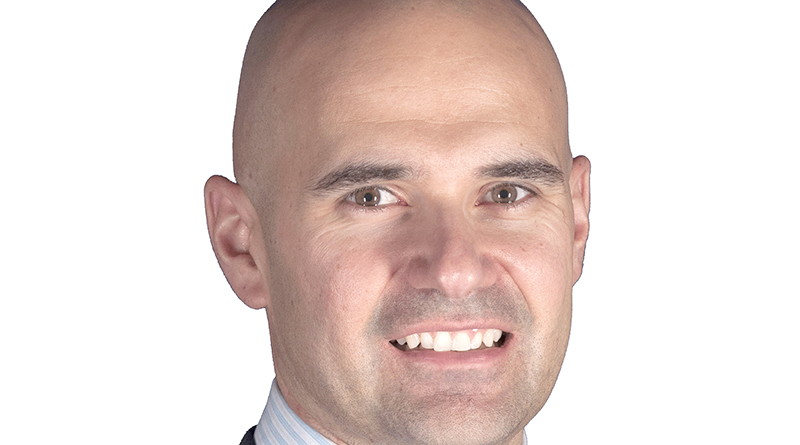
My number one local priority is the economy. There are six essential pillars to achieve this:
1- Collaborative work with local actors;
2- Development of a 5-10 year strategic plan with regional areas of specialization;
3- Infrastructure adapted to the needs of the population in 2019;
4- Academic training adapted to the needs of the region;
5- Opening of interprovincial free trade;
6- Increase federal job opportunities in the Public Service of Canada in Pontiac.
By developing a strategic plan, we will be able to target promising and innovative sectors. I believe that we must move beyond the traditional areas that have, in the past, made the region prosper. We should be actively inviting existing companies to establish themselves in our region and do everything possible to encourage the creation of new businesses or industries.
We must also leverage our location, quality of life and reasonably-priced housing to attract advanced Asian and European companies that want to come to Canada.
In addition, the lack of infrastructure that is necessary to attract entrepreneurs and families and to develop commercial markets must be addressed simultaneously. We are in 2019, the Internet and cell phones are necessities in the same way as electricity and the telephone. Moreover, we are a few kilometres from the nation’s national capital but many municipalities in our riding do not have access to high-speed Internet and normal cellular coverage. This is unacceptable.
Our Conservative leader, Andrew Scheer, was unequivocal when he mentioned that high-speed Internet access in rural areas will be a priority for our future government.
Claude Bertrand – Green Party

I see a difference between immediate priorities (which can only be dealt with in a very short time) and those that are not immediate but which can be just as important.
My first immediate priority will be to push for an immediate stop to Canadian Nuclear Laboratories’ project to build an Above Ground Low Intensity Nuclear Waste Storage Dump (to which they assigned the sanitized “Near Surface Disposal Facility” designation)
My second immediate priority is to push for a moratorium on construction and an end to any further parcelling of Gatineau Park.
Once that is done, I will deal with what is the most important priority in the Pontiac: its depressed economy. I will do so by forming a Pontiac Economic Task Force composed of federal, provincial and municipal elected officials, Indigenous leaders as well as industry and business leaders to examine how we must proceed to kick start the Pontiac’s depressed economy. The matter is complex and federal and provincial funds will have to be injected in order to encourage a business and industrial revival in the Pontiac. Restoring local confidence in business and industry is not going to be an easy task, but it will be done; it must be done.
Will Amos – Liberal Party

The MRC Pontiac’s biggest challenges are its low population density and overcoming the 10-year legacy of underinvestment by the Harper government. This has meant that we have fallen behind on high-speed internet infrastructure and health care services. Our region needs a government that is willing to invest in its future. Since 2015, we have been doing just that.
We all know that reliable internet and cell phone coverage are essential to rural economic vitality and, as we saw during the recent floods and tornadoes, to public safety. Over the past two years, I announced over $20 million in high-speed Internet projects across Pontiac, benefitting over 4,200 households in 30 communities. All these projects will be completed by 2021. I recognize that many Pontiac residents still face significant gaps in the reliability and speed of their connection. That is not acceptable. And that is why I introduced a private member’s motion, M-208 calling for expanded digital infrastructure in rural areas. This motion helped secure further federal investments in Internet infrastructure in Budget 2019. There is much more work to be done on this issue. High-speed internet and cell phone connectivity will continue to be a top priority for me. I’m prepared to do that hard work alongside Pontiac constituents as they demand improved digital infrastructure at affordable prices.
One of the first things our Liberal government did was negotiate a new health accord with the provinces and invest $11 billion over ten years to provinces and territories specifically targeted to improve home and community care and mental health and addiction services. A re-elected Liberal government will ensure that every Canadian has access to a family doctor. We will also set clear national standards for access to mental health services so Canadians can get the support they need quickly, when they need it most and continue our investments to make home care and palliative care more available to those who need it. If re-elected, we will continue to invest in our rural regions to ensure that everyone has access to essential services.
Editor’s note: Answers are organized in the order they are received. Marxist-Leninist candidate Louis Lang could not be reached in time for this week’s edition, but is listed as a confirmed candidate by Elections Canada.
CALEB NICKERSON
PONTIAC 25 sept. 2019
À l’approche de l’élection fédérale du 21 octobre, The Equity posera des questions aux candidats qui se disputent un siège dans Pontiac. Les lecteurs peuvent envoyer leurs questions à editor@theequity.ca pour qu’elles soient publiées dans les prochaines éditions. Les questions doivent s’appliquer à tous les candidats et être suffisamment concises pour être répondues en 200 à 300 mots. Les abonnés devraient surveiller la publication d’une série d’entrevues vidéo avec tous les candidats que nous afficherons sur notre site web.
La première question : quel est le problème le plus urgent auquel fait face la circonscription de Pontiac actuellement, et si vous êtes élu, comment comptez-vous le résoudre ?
Mario Belec – Parti populaire
Nous devons nous assurer que Pontiac devienne une force économique en Outaouais, et cela passe indéniablement par une immigration bien gérée, moins en quantité, mais nettement supérieure en qualité. Avec l’implication des municipalités et du secteur privé, tout est possible.
Dans un premier temps, je devrai rencontrer chaque élu municipal et les différents entrepreneurs qui vivent la pénurie de main-d’œuvre au quotidien. Nous devrons établir le nombre d’immigrants requis sur le territoire.
Les différentes incitations mises de l’avant par le Parti populaire du Canada, telles que l’augmentation du montant de base de 12 000 $ à 15 000 $ et le taux d’imposition fixe de 15 % entre 15 000 $ et 100 000 $, inviteront le travailleur actuel à faire des heures supplémentaires et encourageront également les jeunes retraités à revenir travailler à temps partiel, ce qui soulagera les pénuries de personnel jusqu’à ce que la main-d’œuvre immigrante soit adéquatement formée.
Nous voulons également réduire le taux d’imposition des petites et moyennes entreprises de 15 % actuellement à 10 %. Cela permettra aux entrepreneurs d’investir dans la modernisation de leurs entreprises ou simplement d’acquérir de nouveau personnel.
Jonathan Carreiro-Benoit – Bloc Québécois
Je dirais le manque d’investissements dans nos petites et moyennes entreprises (PME). En fait, le Bloc veut lancer un dépôt pour les nouveaux producteurs juste pour s’assurer qu’ils auront de la flexibilité. Nous voulons un fonds de retraite sans impôts et une enveloppe monétaire récurrente pour valoriser les nouveaux producteurs.
Le problème le plus important dans ma circonscription est l’Accord Canada–États-Unis–Mexique (ACEUM) qui a grandement affaibli les revenus des agriculteurs (œufs, lait et les autres industries agricoles). Le gouvernement avait annoncé des compensations dans le dernier budget, mais les a transformées en promesses électorales. Les autres types de PME ont beaucoup souffert suite à la signature de l’ACEUM.
Je suis assez certain que le Bloc, lorsque nous deviendrons détenteur de la balance du pouvoir, sera en mesure de promouvoir nos régions, comme l’Outaouais. Mais, nous savons que la bureaucratie est un gâchis total au niveau fédéral. Nous voulons donc une décentralisation des décisions dans nos MRC. Par exemple, les différentes industries agricoles ont perdu beaucoup de revenus suite au rapatriement et à la signature de l’ACEUM. Je m’assurerai qu’elles reçoivent les compensations auxquelles elles ont droit.
Le Bloc défend tout cela dans sa plateforme, donc il n’y avait aucun doute que c’était la voie à suivre !
Denise Giroux – Nouveau Parti démocratique
Dans Pontiac, nous avons besoin d’un service Internet haute vitesse dans toute la circonscription. Mais il a été ignoré par les gouvernements libéraux et conservateurs successifs depuis bien trop longtemps. À Pontiac, le service Internet haute vitesse est peu fiable ou inexistant dans les coins ruraux de la circonscription, et le service cellulaire est tout aussi mauvais. Nous devons soutenir de nouveaux investissements majeurs dans l’infrastructure de la large bande par fibre optique dans notre communauté.
En tant que députée de Pontiac, je m’assurerai que l’accès à la large bande et à l’Internet haute vitesse soit disponible et abordable. William Amos, le député libéral sortant, a eu quatre ans pour améliorer la situation et pourtant, il n’a rien fait.
Pour les enseignants, les parents et les élèves, ces services ont un impact sur la qualité de l’éducation des enfants. Pour les fournisseurs de soins de santé et les services sociaux, des connexions fiables aident à sauver des vies. Pour les personnes à faible revenu qui cherchent un emploi, l’accès à Internet est crucial car la plupart des candidatures doivent être remplies en ligne.
Il n’y a pas que les personnes économiquement défavorisées qui ont peu ou pas d’accès à Internet. Ce sont les citoyens et les entreprises des zones éloignées et rurales. Sans accès à Internet, les entreprises manquent d’importantes occasions d’atteindre de nouveaux clients et d’augmenter leurs ventes.
Le NPD s’engage à étendre la couverture cellulaire et à fournir un accès Internet à large bande fiable et abordable à chaque communauté au Canada. C’est vital pour l’avenir économique du Canada rural et des communautés éloignées.
Nous devons agir d’urgence pour combler le fossé numérique maintenant, pas dans dix ans comme le proposent les Libéraux. Le NPD s’engage à garantir que notre communauté ait accès à l’Internet haute vitesse, maintenant.
De plus, nous nous assurerons que les fournisseurs offrent un forfait de base pour le sans-fil et la large bande qui soit comparable aux forfaits abordables disponibles dans d’autres pays.
Dave Blackburn – Parti conservateur
Ma priorité locale numéro un est l’économie. Six piliers essentiels pour y parvenir :
1- Le travail collaboratif avec les acteurs locaux ;
2- Le développement d’un plan stratégique de 5 à 10 ans avec des axes de spécialisation régionaux ;
3- Une infrastructure adaptée aux besoins de la population en 2019 ;
4- Une formation académique adaptée aux besoins de la région ;
5- L’ouverture au libre-échange interprovincial ;
6- L’augmentation des opportunités d’emploi fédéral au sein de la fonction publique du Canada dans Pontiac.
En élaborant un plan stratégique, nous pourrons cibler des secteurs porteurs et innovants. Je crois que nous devons aller au-delà des créneaux traditionnels qui ont, dans le passé, fait la prospérité de la région. Nous devrions activement inviter les entreprises existantes à s’implanter dans notre région et tout mettre en œuvre pour favoriser la création de nouvelles entreprises ou industries.
Nous devons également miser sur notre localisation, notre qualité de vie et nos logements à prix raisonnables pour attirer des entreprises asiatiques et européennes de pointe qui souhaitent s’établir au Canada.
De plus, le manque d’infrastructures nécessaires pour attirer les entrepreneurs et les familles et pour développer les marchés commerciaux doit être abordé simultanément. Nous sommes en 2019, l’Internet et les téléphones cellulaires sont des nécessités au même titre que l’électricité et le téléphone. De plus, nous sommes à quelques kilomètres de la capitale nationale, mais de nombreuses municipalités de notre circonscription n’ont pas accès à Internet haute vitesse et à une couverture cellulaire normale. C’est inacceptable.
Notre chef conservateur, Andrew Scheer, a été catégorique en mentionnant que l’accès à Internet haute vitesse dans les régions rurales sera une priorité pour notre futur gouvernement.
Claude Bertrand – Parti Vert
Je vois une différence entre les priorités immédiates (qui ne peuvent être traitées qu’à très court terme) et celles qui ne le sont pas, mais qui peuvent être tout aussi importantes.
Ma première priorité immédiate sera de faire pression pour l’arrêt immédiat du projet des Laboratoires Nucléaires Canadiens de construire un dépôt de stockage de déchets nucléaires de faible intensité en surface (auquel ils ont attribué la désignation édulcorée de « Installation de stockage en surface »)
Ma deuxième priorité immédiate est de faire pression pour un moratoire sur la construction et la fin de tout lotissement supplémentaire du parc de la Gatineau.
Une fois cela fait, je m’occuperai de la priorité la plus importante à Pontiac : son économie déprimée. Je le ferai en formant un groupe de travail économique de Pontiac composé d’élus fédéraux, provinciaux et municipaux, de leaders autochtones ainsi que de leaders de l’industrie et des affaires pour examiner comment nous devons procéder pour relancer l’économie déprimée de Pontiac. La question est complexe et des fonds fédéraux et provinciaux devront être injectés afin d’encourager une relance commerciale et industrielle à Pontiac. Restaurer la confiance locale dans les affaires et l’industrie ne sera pas une tâche facile, mais cela sera fait ; cela doit être fait.
Will Amos – Parti libéral
Les plus grands défis de la MRC de Pontiac sont sa faible densité de population et la nécessité de surmonter l’héritage de 10 ans de sous-investissement du gouvernement Harper. Cela signifie que nous avons pris du retard en matière d’infrastructure Internet haute vitesse et de services de santé. Notre région a besoin d’un gouvernement qui est prêt à investir dans son avenir. Depuis 2015, c’est exactement ce que nous faisons.
Nous savons tous qu’une couverture Internet et cellulaire fiable est essentielle à la vitalité économique rurale et, comme nous l’avons constaté lors des récentes inondations et tornades, à la sécurité publique. Au cours des deux dernières années, j’ai annoncé plus de 20 millions de dollars en projets Internet haute vitesse dans Pontiac, bénéficiant à plus de 4 200 foyers dans 30 communautés. Tous ces projets seront achevés d’ici 2021. Je reconnais que de nombreux résidents de Pontiac sont toujours confrontés à des lacunes importantes en matière de fiabilité et de vitesse de leur connexion. Ce n’est pas acceptable. Et c’est pourquoi j’ai présenté une motion d’initiative parlementaire, M-208, appelant à l’expansion de l’infrastructure numérique dans les zones rurales. Cette motion a contribué à garantir de nouveaux investissements fédéraux dans l’infrastructure Internet dans le budget 2019. Il reste encore beaucoup à faire sur cette question. L’Internet haute vitesse et la connectivité cellulaire continueront d’être une priorité absolue pour moi. Je suis prêt à accomplir ce travail acharné aux côtés des citoyens de Pontiac alors qu’ils réclament une infrastructure numérique améliorée à des prix abordables.
L’une des premières choses que notre gouvernement libéral a faites a été de négocier un nouvel accord sur la santé avec les provinces et d’investir 11 milliards de dollars sur dix ans aux provinces et aux territoires, spécifiquement ciblés pour améliorer les soins à domicile et communautaires ainsi que les services de santé mentale et de lutte contre les dépendances. Un gouvernement libéral réélu veillera à ce que chaque Canadien ait accès à un médecin de famille. Nous établirons également des normes nationales claires pour l’accès aux services de santé mentale afin que les Canadiens puissent obtenir le soutien dont ils ont besoin rapidement, au moment où ils en ont le plus besoin, et nous poursuivrons nos investissements pour rendre les soins à domicile et les soins palliatifs plus accessibles à ceux qui en ont besoin. Si nous sommes réélus, nous continuerons d’investir dans nos régions rurales pour nous assurer que chacun ait accès aux services essentiels.