



CHRIS JUDD
What does an old farmer with not too much education know about carbon tax? Not as much as most of you reading this article.
This is one of those articles that I hope challenges you to . . .
research more, ask more questions and think about how this very controversial carbon tax should be applied and how carbon credits should be calculated. Here are a few what ifs and very few facts about carbon tax.
Why? It is well known that carbon and other noxious gasses are released into the air we depend on for life by burning fossil fuels like wood, coal, gas, diesel, etc … Farmers also release carbon by working the ground. Airplanes, cars and smoke stacks from heavy industry are the most visible and easiest targets. Volcanoes are a huge contributor when they blow. Even if the entire world buys into the carbon balance solution, it may be hard to force the country with the volcano that blows to pay up because their volcano devastated their land, villages and human life. A volcano eruption could be termed an act of God. When a volcano in the US erupted a couple decades ago and spewed enough ash that it partially blocked the sun’s rays and hence reduced crop yield, I don’t remember any big compensation cheques coming to the affected farmers who lost money.
Trees, grassland and even crops like corn, wheat, canola, etc., will sequester carbon. When a farmer tills a field, burning diesel, exposing bare soil and adding chemical fertilizer, will the crop that he grows sequester more carbon than he releases into the air? Will the trees in the bush lots sequester more carbon than our furnaces emit keeping us warm in winter? Will the city dweller save enough carbon credits by walking, driving his bike to work, and living in an energy efficient high rise to offset his plane ride to a vacation in the south? The majority of Canada’s carbon sequestering forests are owned by the crown.
Will other countries that have more cities, bare ground and population pay carbon credits to Canada to help pay for things like health care and the cost of this COVID shut down?
Will a property owner with a large lawn and a few acres of forest receive carbon credits to help offset an increase in tax? How will carbon credits be calculated?
Many of our beef farmers pasture cows and raise beef calves. Most of their land is permanent pasture that is only plowed up every ten years. Many farms also have some acres of forest. Will these farmers receive carbon credits that are sellable or can they be used to help pay taxes?
Some provinces like Quebec make most of their electric power by hydro plants which are powered by water. Some provinces use coal, or gas powered generators to make electricity. The cost of the carbon tax on fuel used to power these generators will be passed on as an increase in the power bill. Therefore, the electricity used in your home, to recharge the electric car, etc. will be higher in some provinces.
Will we be allowed to build up carbon credits and hope that they increase in value like stocks? Will we be allowed to will them to the next generation? How much will a carbon tax on fuel affect the price of imported food? Will it help make locally grown foods more desirable?
The carbon tax will definitely make vacationing closer to home look more affordable than on some far away island.
How much benefit will this be to Canada’s construction industry and tourist industry? How much will this carbon tax affect flying in foreign labour? Will this offer more local jobs?
These are only a few thoughts from an old farmer. I’m sure that you have many more questions. Don’t be reluctant to demand logical answers to these and other questions from our next wanna be politicians. Check to see who is funding either sides of the debate.
You don’t have to vote the way grandpa voted, it’s your grandchildren who will have to pay the bills.
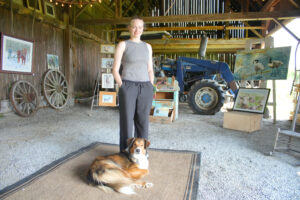
Chris Judd is a farmer in Clarendon on land that has been in his family for generations. gladcrest@gmail.com