





Dear Editor,
With the extensive flooding along the Ottawa River this spring and two years ago, I was reminded of my childhood experiences of dealing with the backwater. I grew up in western Kentucky, in the small town of Calhoun. The Green River runs past the town and on the other side is Rumsey.
In the 1830s, Rumsey had been an important river port but by my time, it was greatly diminished and most of the business had moved to higher ground in Calhoun.
The rivers there are deep and just wide enough to allow tugboats and coal barges to navigate from the mines upriver to the coal fired electric plants downriver where the Green meets the Ohio.
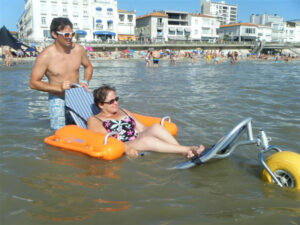
The rivers flood nearly every spring. Levels can rise 20 feet in two days and the 200 yard-wide Green River becomes 20 miles wide and two feet deep. Buildings in Rumsey were built on stilts or otherwise elevated to accommodate the annual flooding. Every household had a flat-bottom boat and that was the way folks got around for two weeks or so, nearly every spring.
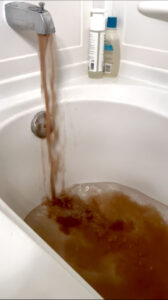
In olden days, people were grateful for the flooding which turned the wide plain into prime river bottom farmland for soybeans and corn. For my brothers and me it was dangerous fun, to splash about in leaky old boats and rubber boots. It never occurred to us at that time that those same flood waters also flushed out every oil tank, septic tank, outhouse and well in the countryside.
Modern lifestyles don’t allow for the easy-going row a boat or move away attitude that had made Rumsey workable before. Modern people can’t appreciate being able to gig catfish and carp in a floodwater puddle in a field miles from the river. Rumsey, once a town with five grocery stores, a post office, a barbershop, two restaurants, a car-truck-tractor mechanic’s garage, an auto body shop and three gas stations is now just a wide place in a crooked road. From the safety of the north bank of the Green, some would smugly say, “Do as they do in Rumsey — do without.”
But on a more helpful note we probably have to re-think buildings and lifestyles, to accommodate the new reality of Ottawa flooding, not every 100 years, but every other year. Build houses with one story of open space where you store your flat-bottom boat in the dry season or move to higher ground.
Nature moves in mysterious ways and we can either move with it or be swept away on the raging floodwaters.
Robert Wills,
Thorne and Shawville, Que.