





There’s nothing like a chance to spend the summer by the lake with friends at their favourite camp swimming and soaking up the sun. And before the summer break rolls in parents are already frantically looking for camps to sign their kids up for.
Whether it is a day camp or overnight camp it’s something many kids look forward to . . .
every year. And although it is a reality for many, it isn’t for some kids as the fees can be outside a family’s budget.
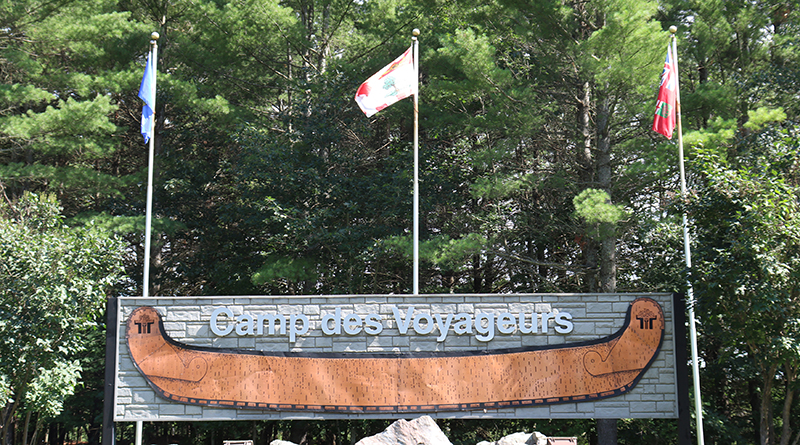
Over the past 30 years, Camp des Voyageurs Tim Horton has been around to serve underprivileged children in Quebec. The Equity spoke to Alexandre Morin, senior manager of camp operations, about Tim Hortons Foundation Camps and how they strive to not only have fun with their campers but also equip them with life skills that will serve them after they leave.
Traditionally overnight camps can cost from $300 to $1,000 per week, and day camps will run about $35 per day and more for the same period. Depending on the camp, extras like transportation may also be included in the base fee. As it can be an expensive endeavour that some families in Quebec cannot afford every summer.
In 1994 the camp in Quyon opened up, which was the only camp serving the francophone communities, highlighted Morin. The camp was established to serve low-income families whether it was their summer camp programs or school programs, by offering the
whole experience for free.
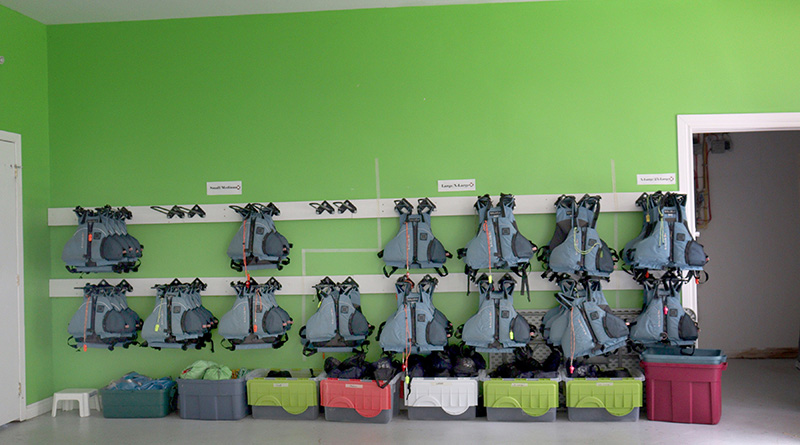
They offer transportation as well as any and all equipment a child may need during their stay, said Morin. “It’s a truly free experience for them. So like that they don’t have to spend a dime on anything.” Tim Hortons Foundation Camps is a not-for-profit organization that was first established in 1974. They have seven camps, two in Ontario, one in Nova Scotia, one in Quebec, one in Manitoba, one in Alberta and one American camp, located in Kentucky.
For many Canadians, Tim Hortons is a household name, the multi-billion dollar fast food chain was established in 1964 in Hamilton, Ontario, by Canadian hockey player Tim Horton and Jim Charade. And in 1967, Horton partnered with investor RonJoyce.
“Ron Joyce, when Tim died, started the foundation to like commemorate him and for his love of children,” said Morin.
Unlike other summer camps, Tims camp is a four-year program where campers are selected at the age of 12 and return every year after that until they’re 16. The program is designed to deliver camp-based leadership programs designed to help develop their courage, confidence, and resilience.
“The goal of our program is to enable our campers to develop certain new life skills and get them ready for life as an adult,” said Morin. Since it’s in a camp setting, he added that they do a lot of activities and it is fun packed but with the underlying notion that they are also gaining teamwork, leadership, and communication skills.
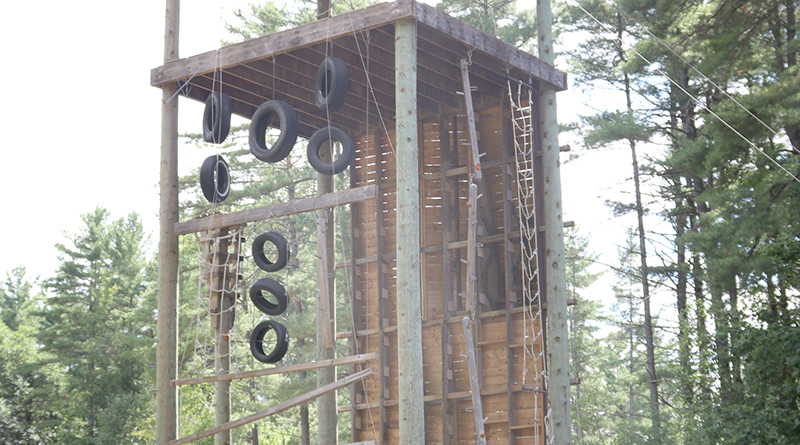
The different facilities they have include a climbing tower, a giant swing, low ropes, access to canoes and kayaks, a gym, an art room, a music room and the main hall where they gather for breakfast, lunch and dinner.
The Tims camp program serves youth from every Tim Hortons community in Canada and the US. Campers often get nominated or chosen by members in their community. The registration and travel team work on selecting youth from disadvantaged communities who would benefit from their multi-year youth development programs.
Much like any camp, Camp des Voyageurs also began as an opportunity to give low-income families a chance to send their kids to camp, but in the past 10 years it shifted to becoming more centred around youth development, Morin said.
“We diverted from that because we wanted to strive to be in the youth development realm. We always like to say that we’re more than just a summer camp because we’re trying to develop our youth,” he said.
After they leave the camp, Morin said they still try to stay in touch with the campers and their families to see if they continue on to post-secondary education and see what they end up pursuing.
“So many of our campers are becoming nurses, some of them become lawyers and stuff like that. And when we talked to them they put the value of our camp experience very high into the why they managed to get into those fields,” he said.
Their local impact can also be seen as they supported efforts
when there was a flood in the area and helped house families and served food to anyone who needed it. They also support places such as Bouffe Pontiac and Maison de la Famille in Quyon, he highlighted.
For Morin, he started off as a camp counselor and made his way up to management and continued to serve this organization because he believes in its mission of having a positive impact on the campers.
Year after year, these kids come back to the camp and he noted that he loves seeing the growth because most of them stay for the duration of the program, “seeing the development of our campers is great, it’s one of our greatest motivators,” he said.
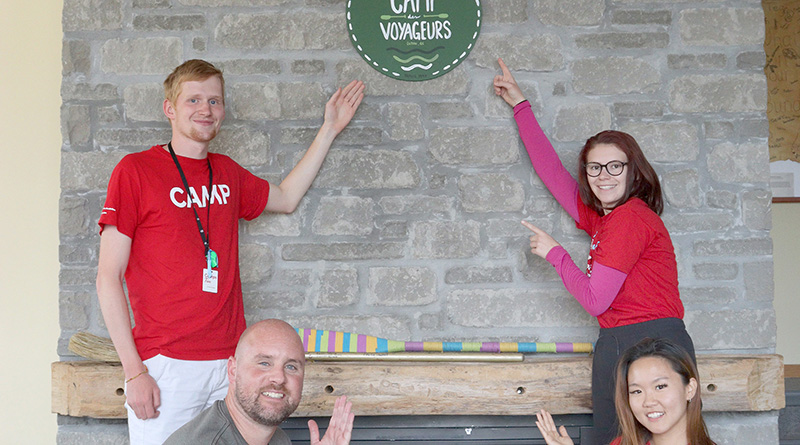
During the summer they have about 60 camp counselors who have come from all over the country and some international students to work at the camp. Here’s what a few had to say:
Noemie Bourque who has worked in many different fields chose to work at the camp because the values of the place resonated with her. “I really liked the values of the camp and all about helping kids to grow up and believe in them that they can do anything they want and helping them achieve their goals,” said Bourque.
All the way from France, Antoine Chanteloup chose to work at the camp as a way to travel to a new place and to work with kids. “I’m here because my school wants students to go abroad for two months after the second year. I chose the job because I wanted to discover Canada, and have experience working with children,” he said.
An older camper who finished the program and loved it so much she wanted to come back and hope to give back what she learned. Julia Nam, now a camp counselor, highlighted how much this program helped her.
“I’m giving back what the old camp counselors gave to me,” said Nam.
When asked what he believes sets them apart from other camps, Morin highlighted that their goal is not just on having fun but to also allow the youth to walk away from their experience knowing more than when they stepped in. They not only gain skills but also reflect on the learnings and ensure they can take those skills home with them and make a difference in their community.
“We’re pushing it to another level where we’re also making sure to reflect on some of the learnings with our campers. Our goal is to make sure that our campers are prepared and ready for life after high school and after being teenagers,” he said.