





CALEB NICKERSON
PONTIAC Dec.16, 2020
On Dec. 16, MRC Pontiac Council of Mayors voted in favour of a resolution supporting the decentralization of health care administration across the province and also received an update on the status of the Pontiac Community Hospital’s obstetrics unit.
Several hundred doctors across the province, including several from the Pontiac area, signed onto a petition in November stating that . . .
the “hyper centralization” of the system has led to a decline in patient care in facilities across the province, singling out the damage done by the Quebec Liberals controversial Bill 10, which came into force back in 2015. The legislation, championed by the health minister at the time, Gaetan Barrette, merged the administration of local health authorities into regional bodies.
The group, known by their French acronym RQMDSS, lay out four demands for the government: the re-establishment of a local administrator at each hospital and health care facility, a local director of professional services at each hospital centre, a Council of Doctors, Dentists and Pharmacists for each hospital and a local directors table that would bring together all the department heads in a hospital.
Pontiac Warden Jane Toller explained that the MRC’s resolution would be calling for all four of the changes the RQMDSS requested and also requests that the other MRCs in the Outaouais give their support.
“As we know, the impact of the centralization has had a significant effect on health care, the network, especially people that work in the Pontiac, and there have been concerns expressed by the population, [regarding] the importance of the proximity health care for the well-being of the population,” she said.
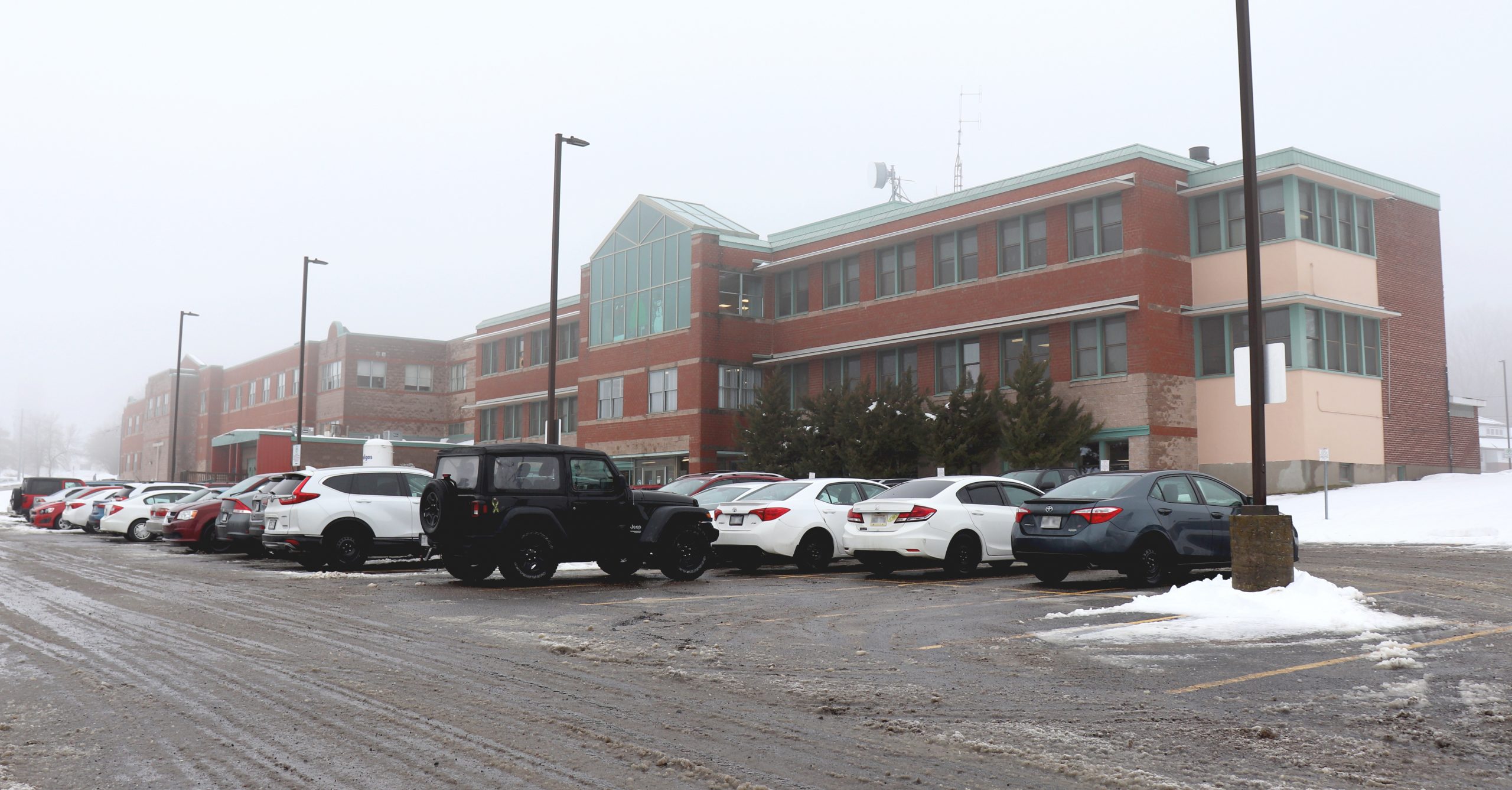
Dr. John Wooton has been working in the Pontiac region since the early 80s and was formerly the director of professional services at the hospital. He is one of the co-founders of the Society of Rural Physicians of Canada, currently serves as the chief of general medicine at the Pontiac Hospital and also heads up the local family medicine group. He spoke to THE EQUITY about the effects of centralization in an interview on Dec. 2.
“I’ve seen the petition and it’s not unfamiliar territory to me,” he said. “The Society of Rural Physicians has for years advocated for local solutions to local problems. There seems to be cycles in the country, not just in Quebec, of centralization and decentralization and nobody seems to be willing to improve on what already works when something works.
“That’s essentially the case of the Pontiac at the time of the restructuring,” he continued. “We got caught in the cross-fire because in the Pontiac, the restructuring was not necessary, was not welcome, has probably not improved very many things, if any. Even from a financial point of view, the Pontiac was very [high-performing] compared to the rest of the Outaouais.”
He said that initially there was some hope that the Pontiac would benefit from access to services through a larger administrative group, but any promised improvements have been slow to appear.
“There are different things that the restructuring brought that hopefully will still come to pass, specifically better access to specialty services locally,” he said. “That was one of the things that were promised that we would get, and aside from some exceptions, hasn’t really become concrete. For example, years ago we had local specialists in oncology, in urology come and do clinics here, in gynecology as well. It was hoped that, all being a part of one institution, that those resources would be more evenly shared across the community. That hasn’t really happened.”
He explained the importance of having a local administrator and director of professional services, as it allows local workers to rapidly respond to issues as they arise and prioritize the projects that are most impactful.
“The role of those individuals is as decision maker, and what we had being a small institution, you could rub elbows with those decision makers on a daily basis,” he said. “[It meant] a reduction in the complexity of moving projects forward, for example, there’s a problem with equipment. As a decision maker we can say ‘Yes, we’re going to prioritize this equipment over others.’ One tangible example of that having happened, under the leadership of the previous DG and the director of nursing, was the establishment of the dialysis unit. That required local champions that pushed that project into reality. The other one is the development of our endoscopy suite with Dr. Pinello. We’re probably better equipped than they are in the city to provide those services. That, again, occurred because local decision-makers had the authority to put the priorities where they felt they should be.”
He emphasized that these positions were effective because they worked in close proximity to the employees and services they were overseeing. With decision-making powers now centered in Gatineau, the process of making changes has become more difficult.
“In order to make the best decision, you need somebody sort of a little bit outside the fray, to adjudicate and bring those people to a common understanding,” he said. “That’s a hands-on process, that’s not a process that can be done by email or at a distance very easily. One of the things that can happen is that there’s some loss of cohesion, if the heads of departments are not seeing eye-to-eye about something, there’s nobody local to appeal to who can resolve the differences, and that creates additional stress, and is a little harder to deal with in a centralized environment.”
Toller also stated that she had attended CISSSO’s virtual annual meeting earlier in the month and asked Director General Josée Filion to state that the re-opening of the obstetrics unit at the Pontiac Hospital would be a top priority, which Filion agreed to.
Toller added that she was hoping to meet with nursing union representatives to discuss a pilot project to match nurses salaries to those paid in Ontario. She said that the primary impediment to hiring nurses in local facilities was the pay discrepancy between the two provinces.
CISSSO officials have been meeting with representatives from the MRC every two weeks. While they had stated earlier in the year that they planned to re-open the unit in January 2021, Toller stated at the meeting that they would not hit their target.
“We’ve adjusted our date, it will not open Jan. 4 and we’re not going to give a new date, we’re just going to say as soon as possible,” Toller said.
She added that in the future, the MRC, in collaboration with several other organizations like the SADC and local school boards would be looking to hire a welcoming agent to ensure that newcomers to the area are aware of all the services the Pontiac has to offer.
“When we attract doctors and nurses here, [they] would be the person that would help them familiarize themselves with the Pontiac, learn about the schools, the services, the amenities, and if anything, perhaps sell them on living in the Pontiac,” she said.
She said that in addition to attracting nurses and building up the local capacity to train them, they would also need to plan for the replacement and retention of doctors.