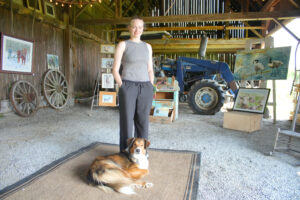




“Nobody expects to heal anybody tonight, to heal their mental health. But it’s to say you’re not alone. We’re here together, you know, and there’s some resources available,” Co-owner of Leystone Farms Trefor Munn-Venn.
Connor Lalande
Luskville July 20, 2023
“There’s a lot of unique challenges to agriculture,” said Trefor Munn-Venn, co-owner of Leystone Farms in Luskville. “I think everything reminds you you’re not in control of much at all.”
“We had a major crop loss this year, just because the weather got cold one night. So, between weather, between pests and insects, between disease – any of those can have a massive impact on your whole farm in a heartbeat. And sometimes there’s not much you can do about it. And that is a demoralizing, tough moment. And that’s any given day.”
It’s no secret that farming is hard work. What is perhaps less discussed is the toll the work can have on farmers.
To build a space to discuss the often-taboo mental health crisis among farmers, Leystone Farms held a gathering this past Thursday, billed as an “evening for farmers and anyone working in agriculture to gather, connect, share our experience, combat isolation, and gain valuable insights into the resources available in our region.”
According to a 2022 University of Guelph study, “the mental health of farmers is worse than it was five years ago and worse than that of the general population in almost every way.”
Analyzing the survey responses of nearly 1,200 Canadian farmers, the University of Guelph’s research team found that 76 per cent of farmers were experiencing moderate or high perceived stress and that suicide ideation was twice as high among farmers compared to the general population.
“One of four farmers surveyed reported their life was not worth living, wished they were dead or had thought of taking their own life during the past 12 months,” the study continued.
Researcher Dr. Andria Jones-Bitton said in a University of Guelph news release that the Covid-19 pandemic has exacerbated the mental health crisis among those who work in the agricultural field.
“Farmers have long faced occupational stressors due to the weather, their workload and finances. The pandemic, however, added new stresses such as increased costs, reduced seasonal agricultural workers due to travel bans in 2020, and farm processing backlogs due to workers and trucker drivers being ill with Covid-19.”
“Farming can be an isolating occupation and farmers with poor mental health need to know they are not alone,” said University of Guelph researcher and chicken farmer, Rochelle Thompson, in the same news release.
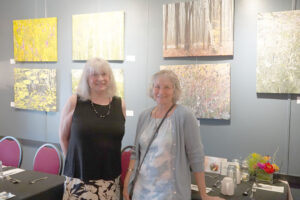
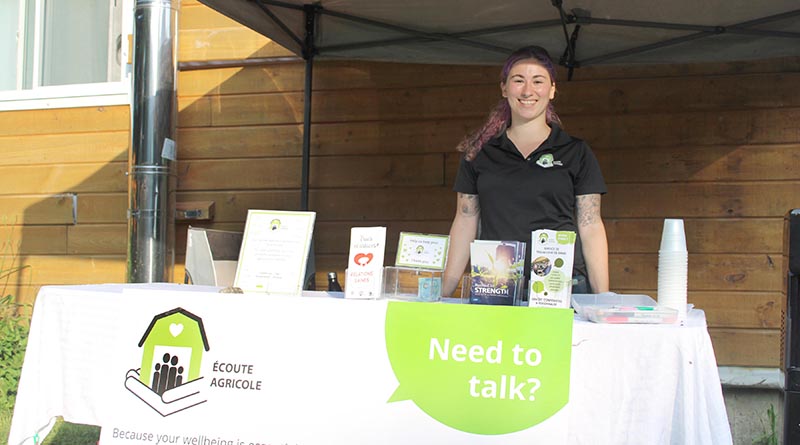
The Thursday evening event at Leystone Farms was attended by people from Pontiac’s farming community and featured a representative from Écoute Agricole, a non-profit agricultural wellness advocacy group.
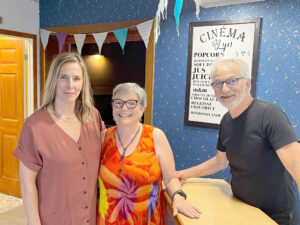
Audrey Arcand, the Écoute Agricole representative for MRC Pontiac, said that the organization advocates for the mental health needs of farmers, organizes events and goes directly to farms themselves to meet with farmers and listen to their needs.
‘We offer free, confidential and bilingual, psychosocial services to anyone in the agricultural community. So that’s producers, but also their employees, their families, and other professionals like agronomists and veterinarians and anyone, basically, working in the agricultural community,” Arcand told THE EQUITY.
“Because, more often than not, people are really good with the animal and crop well-being but forget about their own well-being, or let their needs come last. So, we’re just here to give support. We try to identify the issues and try to find solutions,” she said.
“I think when you consider agriculture and more rural communities, you attract people who have a strong sense of independence and self- sufficiency,” Munn-Venn said.
“The flip side of that is for each of us to have the judgment to know ‘when do I do this on my own? And when do I do this drawing on the community of people around me?’ In a lot of rural communities, it’s considered admirable to want to do it yourself. And every once in a while, I gotta’ remind myself, ‘no, it’s okay to ask for help’.”
“Nobody expects to heal anybody tonight, to heal their mental health. But it’s to say you’re not alone. We’re here together, you know, and there’s some resources available,” Munn-Venn said.