





CALEB NICKERSON
QUEBEC Nov. 25, 2020
Hundreds of doctors from across the province, including several in the Pontiac, have joined a coalition aiming to decentralize the administration of health care services in Quebec.
The collective, known by their French acronym RQMDSS is made up of nearly 700 doctors from more than 50 hospitals, according to their website decentralisation.ca. The group adds that while they officially launched on Nov. 11, they have been working in the background for several years.
The RQMDSS argues that . . .
the “hyper centralization” of the system has led to a decline in patient care in facilities across the province, singling out the damage done by the Quebec Liberals controversial Bill 10, which came into force back in 2015. The legislation, championed by the health minister at the time, Gaetan Barrette, merged the administration of local health authorities into regional bodies.
The group says that in order to adequately combat COVID-19, individual facilities and their staff need the leeway to adapt rapidly to different situations.
“In ordinary times, hyper centralization has made our healthcare system slow and rigid, but the pandemic has made it dangerous for patients,” the statement on their website reads. “While we have been sounding the alarm bells for months by proposing simple and effective solutions, as well as making a last-resort request to the government, it is clear that we will continue to be ignored. As we know, the second wave is far from over, the death toll is rising every day and we must do everything in our power to save as many people as possible. If we are asking for decentralization of governance in hospitals, it is precisely to allow us, as health professionals and experts, to devote all our energy to treating our fellow citizens instead of exhausting ourselves and fighting an outdated administrative machine.”
The group lays out four demands for the government: the re-establishment of a local administrator at each hospital and health care facility, a local director of professional services at each hospital centre, a Council of Doctors, Dentists and Pharmacists for each hospital and a local directors table that would bring together all the department heads in a hospital.
At this point, the provincial government has snubbed the RQMDSS’s requests for a meeting.
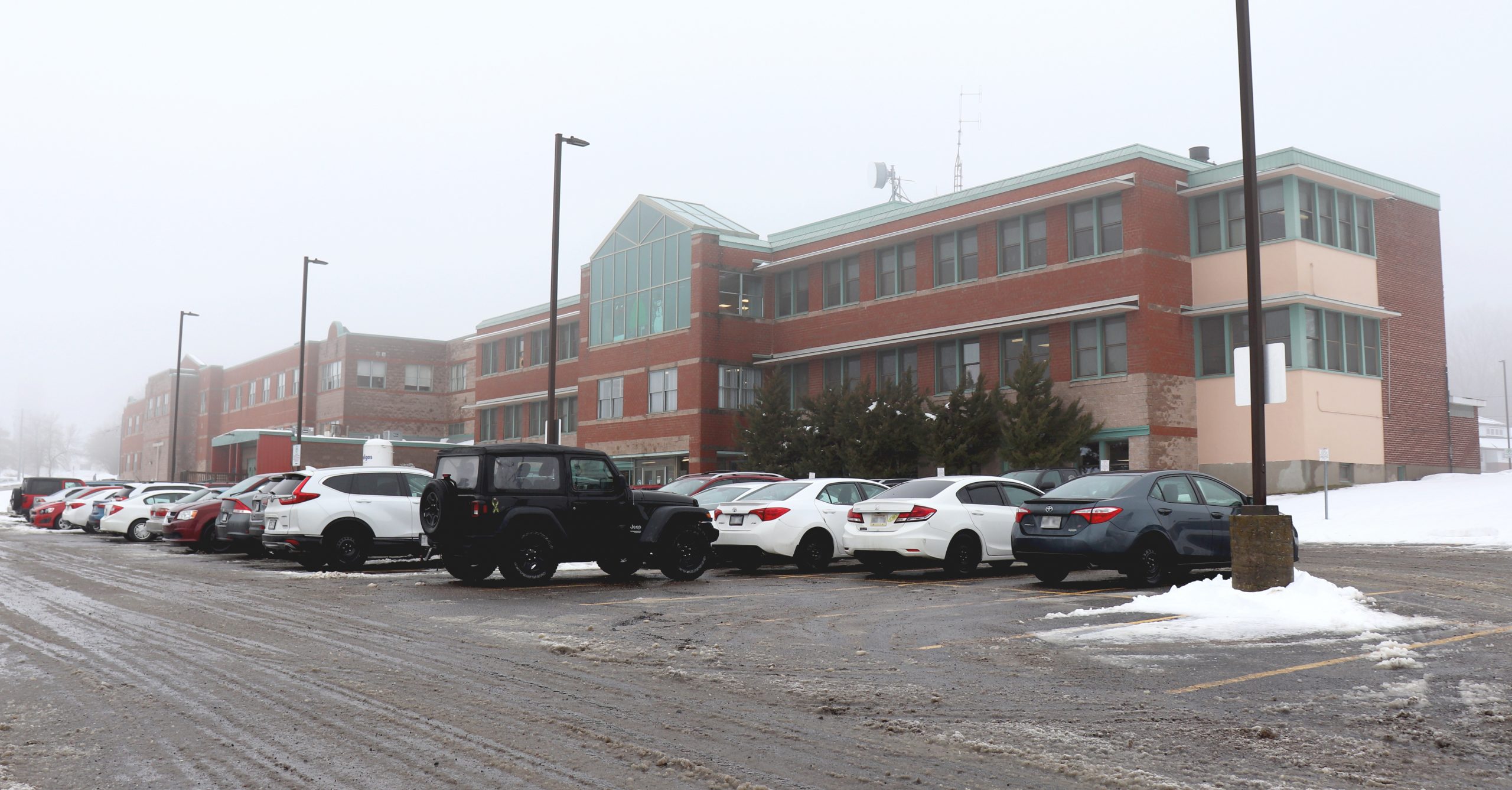
One Pontiac physician, Dr. Ruth Vander Stelt, said that she is very much in favour of the movement for decentralization, having seen the negative effects first-hand in the years since the system was restructured. Currently working out of the Pontiac Community Hospital (PCH) and the CLSC in Quyon, Vander Stelt has been practising in the Pontiac since 1995, and has performed a number of roles at the provincial level and beyond, even heading the Quebec Medical Association for several years.
She said that bringing back some of the autonomy that the administrators at PCH used to have would be a huge benefit and is possible even under the structure that exists following the “Barette reforms”.
“If you had decision-making capabilities in Pontiac, that would be … my goodness, that’s the whole difference between what we had, which was a high-performing hospital and what we’ve got now, where we can’t make any decisions at all,” she said. “I think it’s really coherent, the solutions that they’re offering are super coherent and they’re completely … compatible with law 10.”
She pointed out that smaller areas like the Pontiac typically operate at the whim of the larger population centres.
“It’s all about control and power right? The centralized hospitals. … really don’t want to give up what they think is power, but they really have no power over the peripheral regions, because they don’t know what’s going on,” Vander Stelt said. “If they knew what was going on, they would maybe be able to make decisions that make sense.”
She pointed out that recruitment being handled locally would mean that the region could begin to look for replacement doctors and specialists before they retire or move away, instead of just reacting after the fact.
“If you look at recruitment for example, we have two surgeons within five years of their retirement, there’s absolutely no plan to replace them,” she said. “They say, ‘What’s the problem, you only have two?’ … We completely lose surgical capacity if we only lose one … The other one that’s left will not be able to hold the fort.”
She emphasized that the changes would fit neatly within the existing framework, and wouldn’t require another radical restructuring of the entire system.
“It doesn’t mean that we wouldn’t coordinate with the city,” she said. “That’s the thing. They see it as a threat, but it’s not a threat, we want to be able to serve the population.
“It’s funny, the priority that the CAQ says that they have is to serve people as close as possible to home. They call it proximity care,” she continued. “That’s what they’ve been continually saying, is that they want to serve people as close as possible to home, so that they would want places like the Pontiac to thrive. I think they don’t realize how little that’s happening and how much the opposite is happening. Decentralization is not a threat, it’s a promise, I think that’s the crux of it. They see it as a threat but it’s not. It’s a promise to the population that we’re going to take better care of them.”
Another long-time Pontiac physician and the co-founder of the Society of Rural Physicians of Canada, Dr. Keith MacLellan, said he was in favour of the group and its goals.
“Care close to home, where feasible, is almost always better,” he wrote in an email. “As much as possible we need to create more local care, not give it away to the city.”
When asked for comment by THE EQUITY, the local health authority declined.
“No response about this Decentralization movement. We will not comment,” wrote CISSSO media relations agent Marie-Pier Després in an email.