






Caleb Nickerson
FORT COULONGE
Sept. 12, 2017
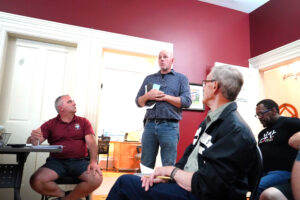
On Sept. 12, Pontiac MP Will Amos held a forum on the legalization of cannabis at the Pontiac Conference Centre in Fort Coulonge.
Amos was joined by his colleague and parliamentary secretary to the Minister of Health, Joël Lightbound, to lay out their party’s plan for legal marijuana to a dozen assembled residents.
Bill C-45, Canada’s new Cannabis Act, is scheduled to take effect in July 2018. The legislation imposes two new criminal offenses for selling or giving marijuana to minors with maximum penalties of 14 years in jail. The act also sets strict guidelines for how the drug can be sold, packaged and marketed.
The pair stressed that legalization is a direct response to the sky high rates of cannabis use in Canadians and young people in particular.
“We have a really big problem with cannabis use in this country,” said Amos. “Criminal organizations are making incredible profits. Prohibition does not work.”
Lightbound said that the new legislation would make it harder for young people to access the drug and pointed to a study that showed a 12 per cent reduction in marijuana use among teens in Colorado, where recreational cannabis has been legal since 2012.
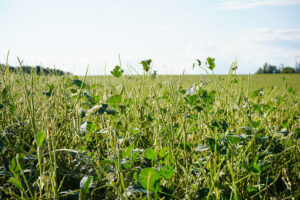
Canada is the second country in the world (behind Uruguay) to legalize and regulate cannabis at the national level. Under the new law, Canadians 18 and older would be able to possess up to 30 grams in public and grow up to four plants, no more than one metre in height.
Officials from several police forces across the country have asked the federal government to postpone legalization to allow their officers time to prepare for the new laws. They assert that the four-plant limit will be difficult and expensive to enforce.
Another concern stems from impaired driving, as the roadside “oral-fluid” tests that can detect cannabis in saliva have yet to be approved by the federal government. Lightbound admitted that the saliva tests were “imperfect” but said that an evaluation from a trained officer as well as a blood test would be additional steps that could help officers measure a suspect’s level of impairment.
Critics have accused the Trudeau Liberals of putting much of the burden of legalization on the provinces, leaving them with the task of legislating and policing distribution, sale, possession limits and where adults can consume cannabis. Lightbound said that the federal government had to strike a balance between encroaching on provincial jurisdiction and leaving the provinces with too much responsibility.
Local business owner Jim Coffey asked several questions about the process of certification for producers and retailers, which fall under the federal and provincial jurisdiction respectively. Amos said that the regulations on producers would need to be strenuous to ensure public health and safety but added that a producer from the Pontiac was currently in the process of becoming certified. Coffey surmised aloud that the regulations would likely be too onerous for the typical entrepreneur.
Coffey also queried the MPs about the possibility of local businesses selling value-added marijuana products like edibles. Currently, there are no federal guidelines in place for producing edibles for retail, and the pair said their government would be taking a “step-by-step” approach to edibles, rolling out additional legislation in the future.
“It’s a really big change and a really tough sell,” Amos said as the forum concluded.