






When I was in college many, many years ago, our agricultural outreach teacher instilled in us the understanding that your education never stops. My dad died with his third heart attack when he was only 59 and I was 19, but Dad taught me a lot of basic education before that.
The first thing that I remember Dad telling me was to be nice to women. Dad also taught me that when you are plowing, cropping, or planting, to keep the trips and rows straight so the neighbours will know that you are paying attention. And if you see a grassy spot in the field, go over it again to be sure to kill the grass. When I was a little older, Dad taught me that if you fix something, to do it right the first time so you won’t have to fix it again next week. I was also taught to check the oil, keep a full gas tank, and check how clean the radiator core was before going to the field. He also told me that if you don’t break it, you don’t have to fix it. He taught me quite early in life how to repair most things. Once you found out how long and hard it was to fix what you broke, you were much more careful not to break it again. I also learned that everyone makes some mistakes, and the more expensive the mistake and the longer it takes to fix it, the better you remember to not do it again.
It is usually easier to have an animal follow you if you have a half pail of grain than to chase her with a pitchfork. When Dad was plowing with the little gray Fergi and the 3×10” plow a half an hour from home, he always took a lunch which usually had a little can of pork and beans which he warmed up on the exhaust manifold. Dad said to always punch a hole in the can before you put it on the manifold. If you don’t, it will blow up and all afternoon you will smell the beans that you never got to eat.
Dad smoked roll-your-own cigarettes for a few years ‘til he quit smoking. While he rolled and smoked a cigarette, I could make two rounds with the disc and I then decided that smoking was a time-wasting habit. Dad had a saying: “Be good to kids; they grow up to be real people some day and they never forget how you treated them.” Dad died with hundreds of friends that he made while they were very young. He was a great fiddler that learned on his dad’s knee when he was six years old. He once told me: “If you can play music or sing, you are never alone.”
After Dad passed away, there was only my grandpa, an employee and me and many wonderful friends and neighbours to try to do what dad had done. I quickly found out that everything that I could teach employees and family how to do could mean one more thing that I didn’t have to do if anything happened to me, and that gave me more time to think of what are the most important things for tomorrow. We have many employees that are better at different things than I am. It is very important to allow the younger generation to make decisions when they are young. Everybody makes mistakes and it’s very important to learn from small mistakes. My smartest mechanic friend, Loren once said, “the difference between a mechanic and a great mechanic is that a great mechanic takes time to read the service manual.” Loren taught me that compressed moist air is a lot more explosive in an engine than dry air. He taught me how to make an old 37-horsepower tractor into a high steppin’ rusty green several-hundred-horsepower marvel.
An old guidance teacher while I was in school told us we would get to be like those we hung around with, so try to spend time with the smartest people that you can. Several years after we were married and employed some very dependable people, Jeannie and I and a whole bunch of great dairy friends spent several weeks each year visiting some of the best dairy farms and attending dairy conferences in North America. All those attending, whether a 30-cow farmer, a 400-cow farmer, a veterinarian, or a dairy nutritionist were there to learn about the best you could do for the milk cows. By visiting hundreds of new dairy facilities, we not only watched to see what worked, but also what didn’t work and so didn’t make that mistake at home. We learned that location, location, location is not only important to where you spend a million dollars building a barn, but both Tim Hortons and Walmart also do studies on that very important item before they even buy the property.
Dad often said that any day that you don’t learn something, is a lost day in your life.
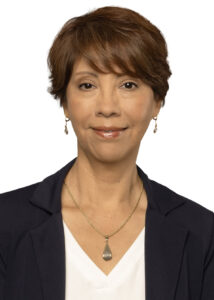
Chris Judd is a farmer in Clarendon on land that has been in his family for generations. gladcrest@gmail.com