





With the Pontiac facing its second 100-year flood in three years, many residents are wondering if this kind of flooding is going to be the new normal.
The flood of 2017 brought with it water levels that hadn’t been seen in a generation. Roads washed away under the force of the water, residents were forced from their homes and cottages forever and governments were left to deal with much of the cleanup costs.
The Municipality of Pontiac has been especially hard hit. Residents suffered through the 2017 floods; rising waters in both the fall of 2017 and spring of 2018 and a tornado last fall.
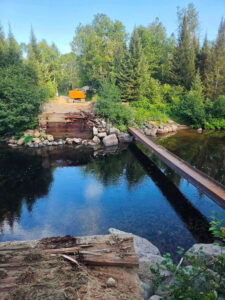
One major effect of the 2017 floods was the washout of Alary Road, which is in the process of being repaired now. The project faced several delays as a glut of construction in the province delayed the arrival of the custom-made culvert that was designed to accommodate the projected water levels the municipality will continue to see in the future.
To make matters worse, an early arrival of winter meant that the project had to wait until the spring before construction could start.
The project’s price tag also raised eyebrows. At a cost of $612,393, the culvert exceeded the expectation of municipal brass. After being reviewed the costs were deemed legitimate.
Although the cost to the municipality will be offset by provincial grants, municipal taxpayers and provincial taxpayers are one and the same.
If this is the new normal, taxpayers will be forced to shoulder the burden of upgrading the province’s infrastructure to deal with increased water levels.
A provincial study estimates that around 60 per cent of culverts in the province are undersized to deal with the higher levels of water.
That’s going to cost a lot of money to fix.
With the provincial budget already lagging far behind when it comes to maintaining roads and bridges, it begs the question of where the money will come from to repair the province’s drainage needs?
And that cost isn’t just shouldered by taxpayers. Those who’ve been directly impacted by floods – or those with waterfront property – will see an increase to their home insurance prices, not to mention the costs of replacing everything that was lost in the floods.
If this is the new normal, the most likely culprit appears to be climate change. But when politicians – those we’ve elected to spend our tax dollars on things like infrastructure – suggest that drastic action needs to be taken in light of climate change, they’re called out along partisan lines.
If we needed an example that climate change has real impacts, it’s literally knocking at our front door. The Ottawa River isn’t partisan, it doesn’t care who voted for what political party when it bursts its banks.
Which makes it even more worrisome that so many people are protesting the implementation of the federal carbon tax.
As we’ve seen here in the Pontiac, the effects of climate change have costs – and that money has to come from somewhere.
If this is the new normal, it’s unrealistic to expect different levels of government to do more to deal with the effects of climate change without any extra funds.
Chris Lowrey