


Dear Editor,
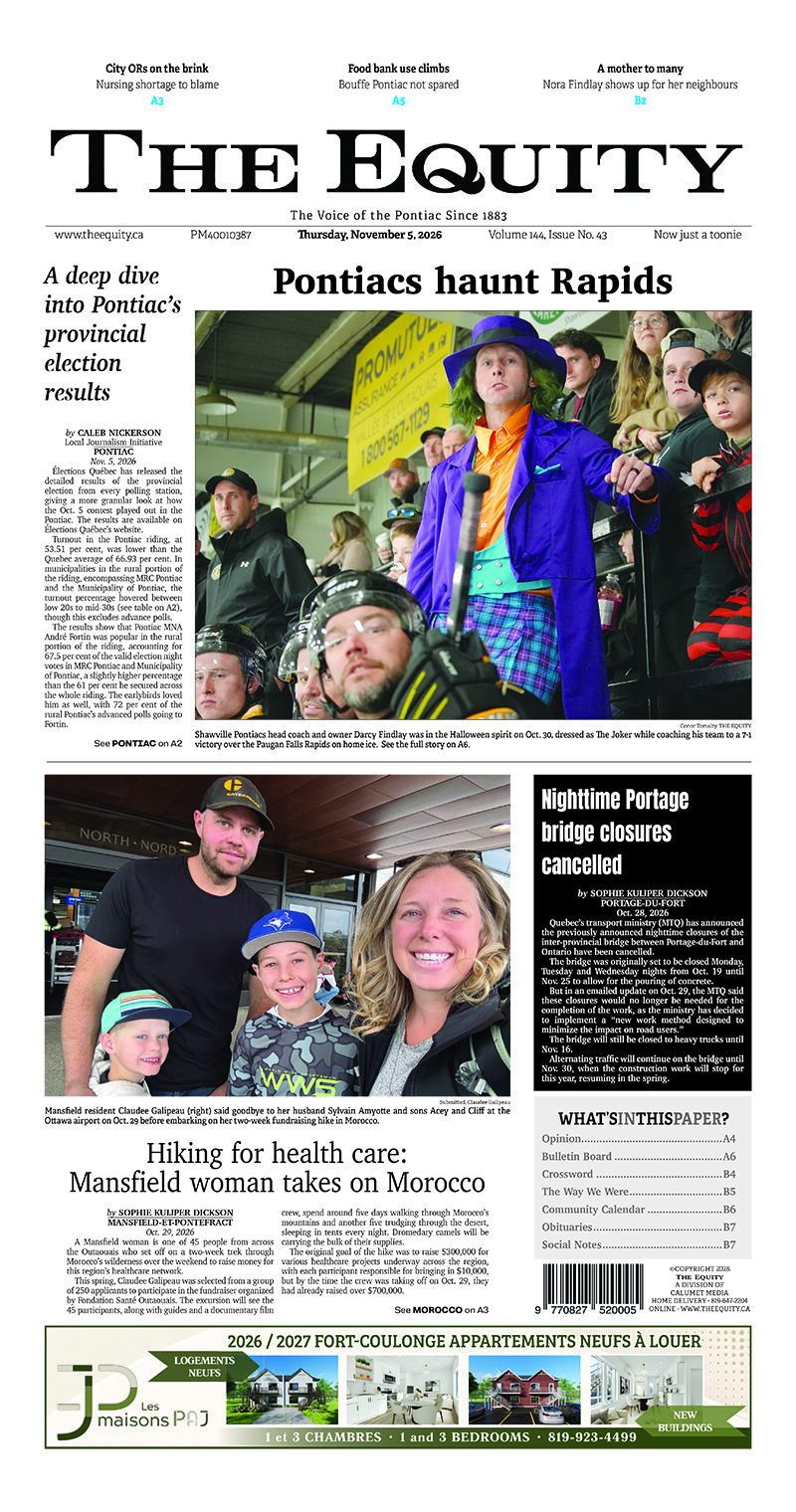
What happens to a community when the newspaper that has chronicled its life disappears?
A local newspaper is more than a source of news. It is a community’s collective memory.
For decades, community newspapers have recorded the people and events that define a place: the farmer who worked the same fields for fifty years, the teacher who influenced generations of students, the volunteer who organized countless community events, the local business that survived three generations, or the young athlete who represented the community at the provincial level.
These stories may never make national headlines. But they matter. They tell people who they are, where they came from, and what makes their community distinctive.
I spent much of my career as a journalist and small-town newspaper editor, and I learned that community journalism begins with listening. Often, the most meaningful story is not the one generating the most controversy, but the quiet story of someone who has contributed to a community for decades.
Today, local newspapers face enormous pressures. Advertising has moved online, costs have risen, and fewer journalists are covering larger areas. When a newspaper disappears, however, we lose more than a business. We lose an institution that has been recording the ordinary history of its community.
That is why local newspapers deserve our support. Subscribe if you can. Buy the paper. Advertise locally. Send in a story or photograph. Let your local editor know that what they do matters.
I was reminded of this while writing my literary noir novella, Wayward Voices, set in Quebec’s Eastern Townships and centred on a small-town newspaper. The newspaper is not simply a backdrop. It is part of the community’s identity—a place where truth, memory and local voices intersect.
Every community has stories worth preserving. Someone has to tell them. And someone has to keep the newspaper alive long enough to tell the next ones.
Frank Nixon, Montreal
franknixon.com